Author Archives: Mexico Dave

Isla Mujeres Restaurants

Mexico › Best Isla Mujeres Restaurants
Updated: March 4, 2022

See Also

The 3 Best Restaurants on Isla Mujeres

  1. Casa Rolandi • $$$$
    Best fine dining on Isla Mujeres.
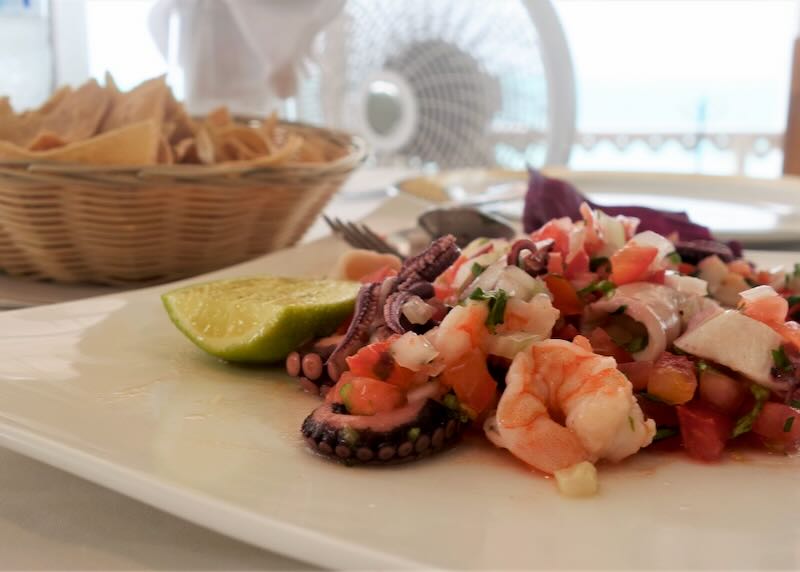
    Oceanfront fine dining, featuring an inspired blend of Northern Italian and local Yucatan cuisines. Located inside the Zoetry Villa Rolandi hotel and open all day, this restaurant is most popular at dinnertime for their breathtaking sunset views and elegant ambiance; breakfast and lunch here are more casual. Fresh seafood, grilled meats, and pastas anchor the gourmet menu. Standout dishes include the octopus or beef carpaccio, lobster ravioli, and tuna tataki – an excellent selection of wines and great desserts rounds out the experience. Servers here are attentive, and the sommeliers are knowledgeable about available wine selections and pairings. Reservations are highly recommended for dinner, but not necessary for breakfast or lunch, unless traveling with a large group.
    Location
  2. Polo’s Mango Café • $$-$$$
    Best drinks on Isla Mujeres
    Amazing food, fun atmosphere, and great drinks! Mango Café offers some of the freshest Mexican flavors on the island alongside American favorites. Breakfast is their busiest service, with stuffed peppers, huevos rancheros, and coconut French toast on nearly every table, paired with one of their famous mango or watermelon mimosas. Staff are incredibly friendly, service is prompt, and the owners are on-site daily. Be advised that the green sauce is not tomatillo sauce but habanero sauce instead; mix it with their mango salsa for a perfect sweet-spicy kick. Expect a wait if you arrive for breakfast, but the line moves quickly.
    Location
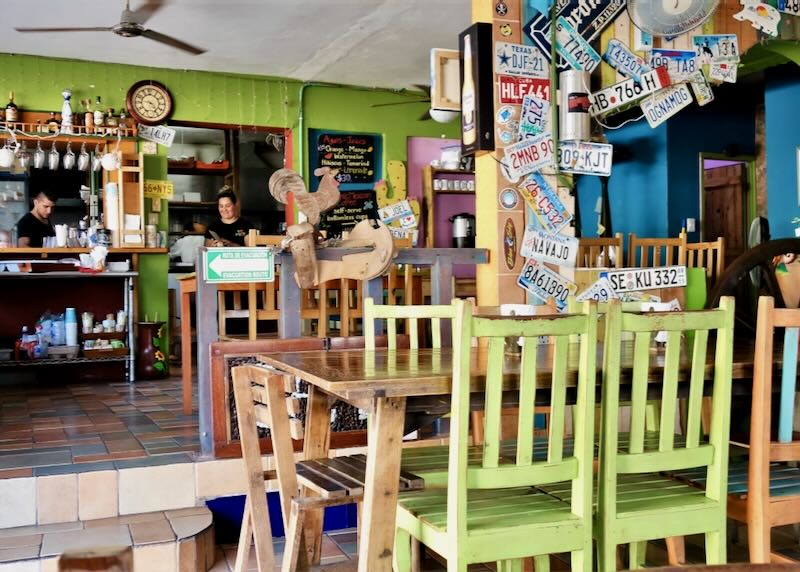
  3. Rooster Café • $$-$$$
    The best brunch spot on Isla Mujeres
    This is a perfect little brunch spot in the North End, specializing in creative spins on eggs benedict; try them with lobster, chorizo, or a pineapple-shrimp combo. All of their breads and bagels are made-from-scratch, and their coffee is phenomenal. The breakfast menu tends toward American favorites, like omelettes, pancakes, and French toast; lunch offerings feature more Mexican options with a variety seafood and steak tortilla dishes. Simple, straightforward cocktails, great smoothies, and perhaps best of all: air conditioning!
    Location

Read More

Cancun Tours & Attractions

Mexico › Cancun Things to Do
Updated: March 4, 2022

See Also

9 Best Cancun Tours & Day Trips

Tours near Cancun

All of the tours below are great but if I could only do one it would be the Cenotes Day Tour. Incredible! And super fun.

12 Best Things to Do in Cancun

  1. Marvel at the Ruins of Chichen Itza

    Visiting Chichen Itza from Cancun
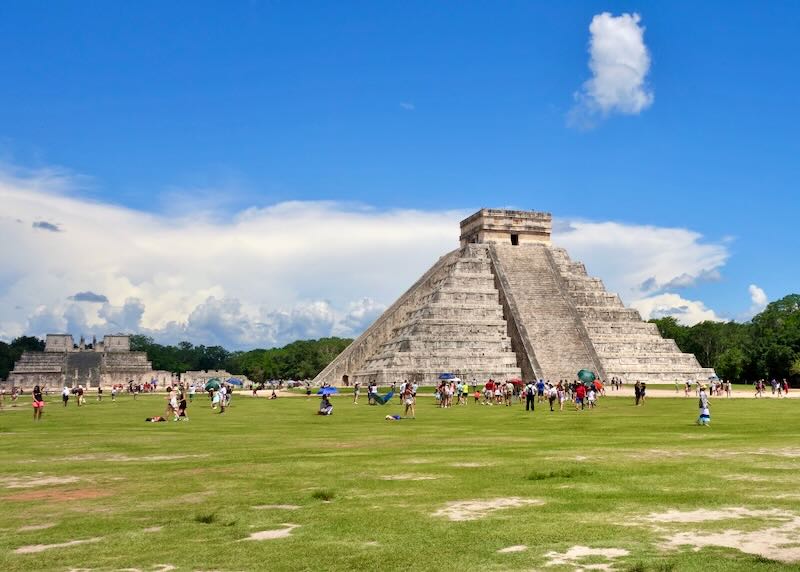
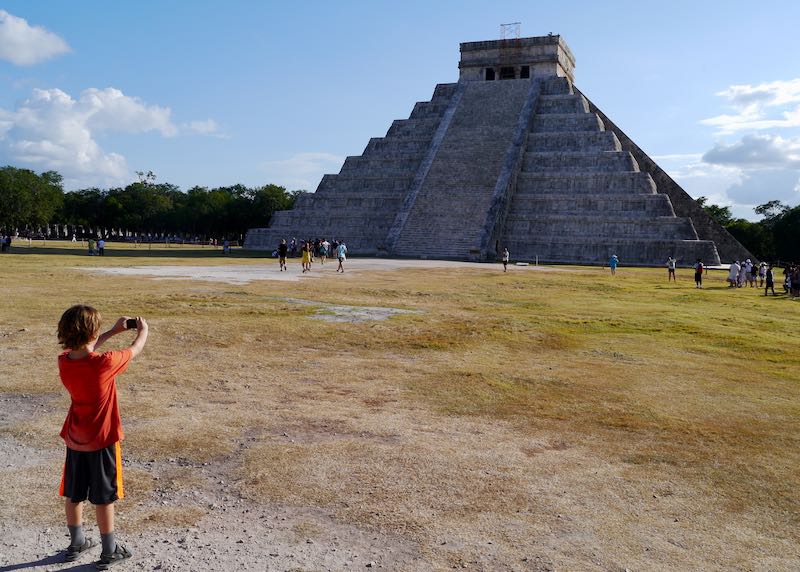
    The ancient Maya city of Chichen Itza, famous for its pyramid ruins, is both a UNESCO world heritage site and one of the New Seven Wonders of the World. The ancient city dates back to the 5th century, though its most impressive structures were built later in the 9th through 12th centuries and are a mix of Maya, Toltec, and Puuc styles. El Castillo (aka the Temple of Kukulkan) is the best-known pyramid, designed according to the astronomical calendar so that during the equinoxes, the sunlight creates a vision of a feathered snake climbing down its sides. Travelers here will also find the Mesoamerican ball court, with its unique audio qualities and intricately carved rings. Several other impressive structures and landmarks are here, including the Sacred Cenote, a place of pilgrimage and sacrifice; the tzompantli, where skulls of captured warriors were displayed; and El Caracol, the ancient observatory, among many others. There are several tour operators running day trips from Cancun to Chichen Itza, many with stops along the way to cenotes, the Tulum ruins, or Valladolid.

  2. Snorkel With Whale Sharks

    How to snorkel with whale sharks in Cancun
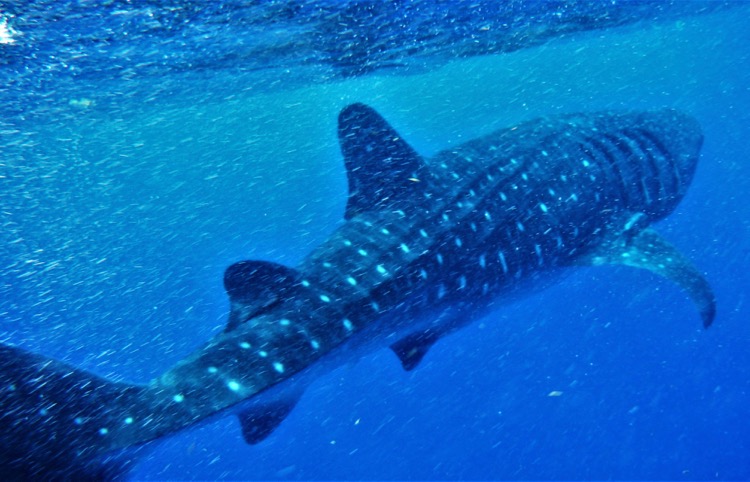
    The Yucatan coast near Cancun is the most reliable spot worldwide to see endangered whale sharks. Whale sharks are the largest fish in the world, about the size of a school bus. Despite their immense size, adult whale sharks are completely docile and harmless to humans, while the youngest whale sharks as playful as overgrown puppies. Whale shark season runs roughly from June through September. Most tours follow similar rules for the safety of the whale sharks; divers are allowed in the water two or three at a time, for around five minutes. That group will exit the water, while the next group jumps in. Typically each guest will get three or four swims over the course of the tour. Snorkel gear is included in the rate. Booking a private tour will allow each guest more time in the water versus tagging along with a larger group.

  3. Swim In The Cenotes

    Cenote tours from Cancun
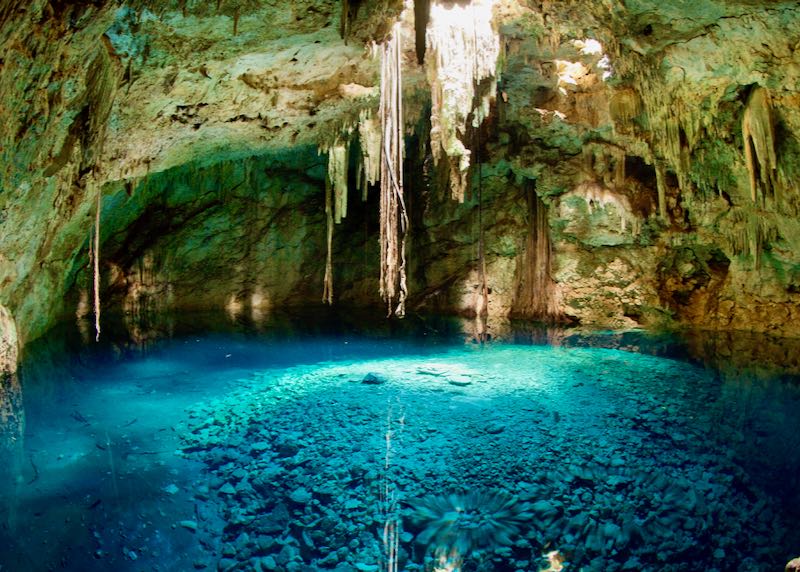
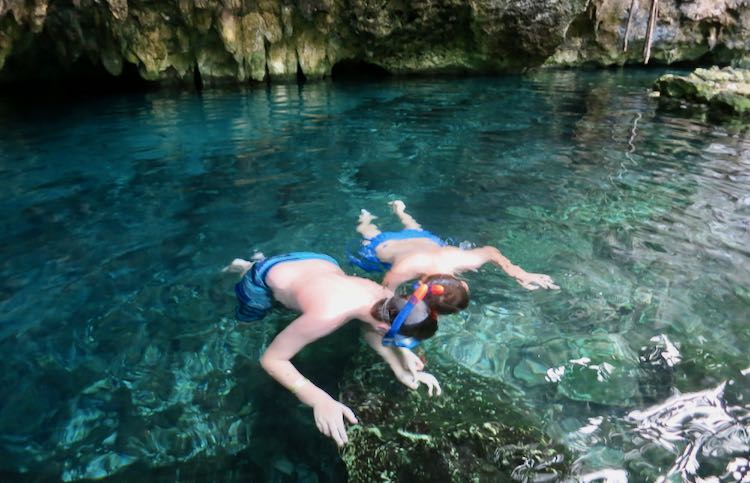
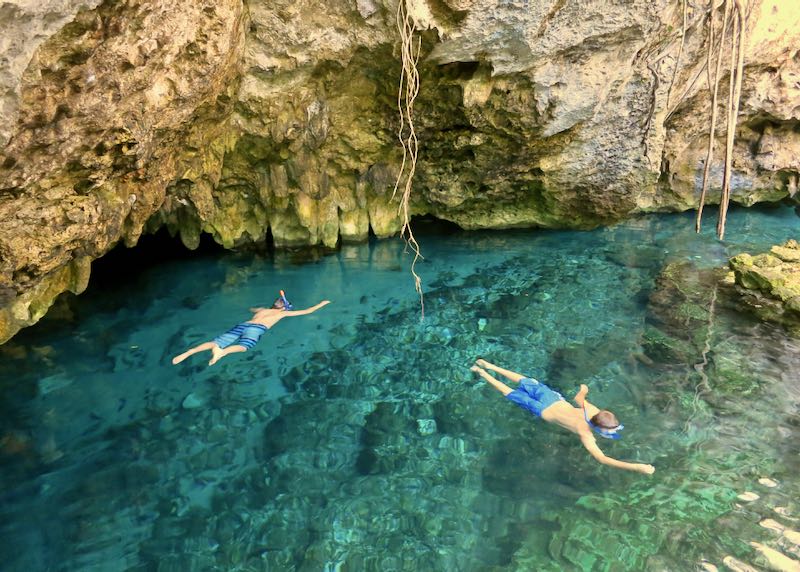
    Cenotes, sometimes written xenotes, are natural pools formed from collapsed limestone with sapphire, turquoise, and emerald waters. The entire coast of the Riviera Maya is dotted with cenotes, nearly 7,000 in total. Some cenotes are open to the sun and surrounded by tropical trees and hanging vines – great for a swim or snorkel, while others are parts of vast, underground cave and river systems, fun to scuba through on a guided tour. Many cenotes are easy to reach on your own by driving or taxiing, like Dos Ojos and Gran Cenote near Tulum or Ik Kil and Suytun near Chichen Itza. Access is usually granted for a small entry fee, with life jackets and snorkel masks to rent onsite; Dos Ojos even has flashlights for cavern snorkeling and diving. For a more in depth exploration of the underwater cave systems, contact Cancun Scuba Center.

  4. Get Ready to Rumble with Lucha Libre

    Seeing a lucha libre match in Cancun
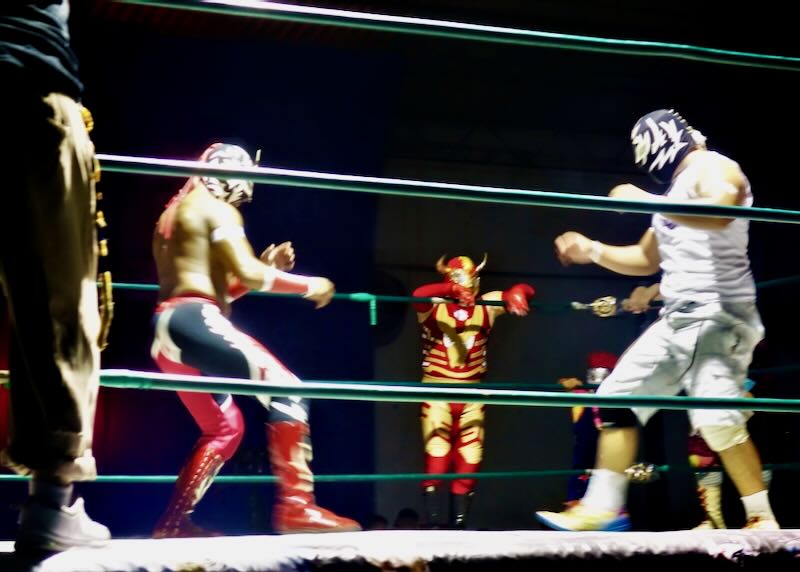
    Lucha libre is a uniquely Mexican version of pro-wrestling, emphasizing aerial maneuvers, choreographed acrobatics, wild personalities, and of course the famous masks. Each fight, whether one-on-one or tag team, pits the técnicos (good guys) against the rudos (bad guys), often with minis (dwarfs) or exóticos (wrestlers in drag) on either side. Events usually have around five bouts, with each fight lasting for three rounds and always spilling outside the ring. The crowd gets pretty rowdy, so if you’ve always wanted to learn how to swear in Spanish, this is where to practice! In Cancun, fights are held Downtown and sometimes on Isla Mujeres and coordinated by Lucha Libre TWS. Splurge for front row seats; they aren’t expensive, usually only 250 pesos ($12 USD). Beer, soda, and snacks are for sale throughout the event.

  5. Swim the Underwater Museum

    Cancun underwater snorkel museum
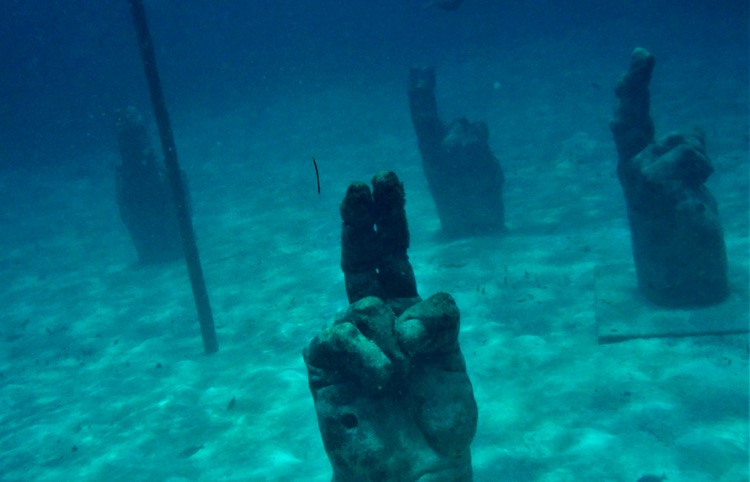
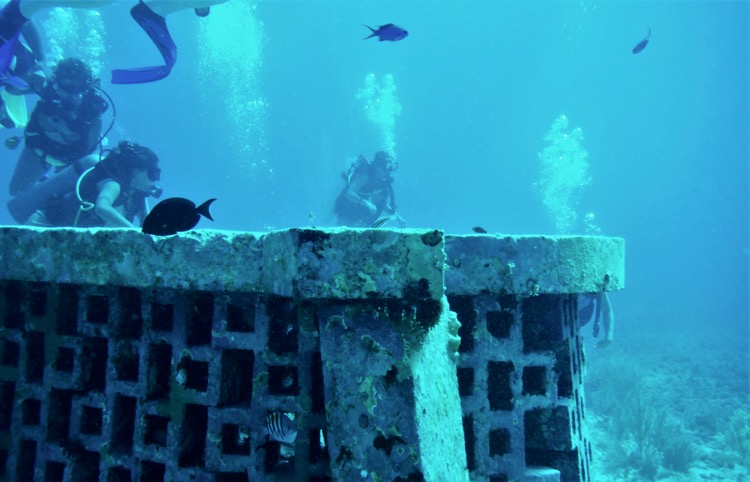
    MUSA is an underwater art museum in between Cancun and Isla Mujeres. Over 500 sculptures by six artists were designed and installed to encourage the growth of coral and replenish the habitat of tropical marine life. Subjects include giant hands, naval mines, VW Beetles, and life-sized people modeled after Cancun locals. Already the largest artificial reef in the world, the museum is still expanding; as the older artworks become obscured by wildlife, new installations are added. The Enchanted Wood, featuring artworks blending land animals and trees, will make up the next permanent installation. There are a few ways to visit MUSA, including by glass-bottom boat or snorkeling for the two Cancun locations or by scuba diving in the Isla Mujeres portion. Contact MUSA directly or Aquaworld to schedule a visit.

  6. Get Up Close to Sea Turtles

    Seeing a sea turtle release in Cancun
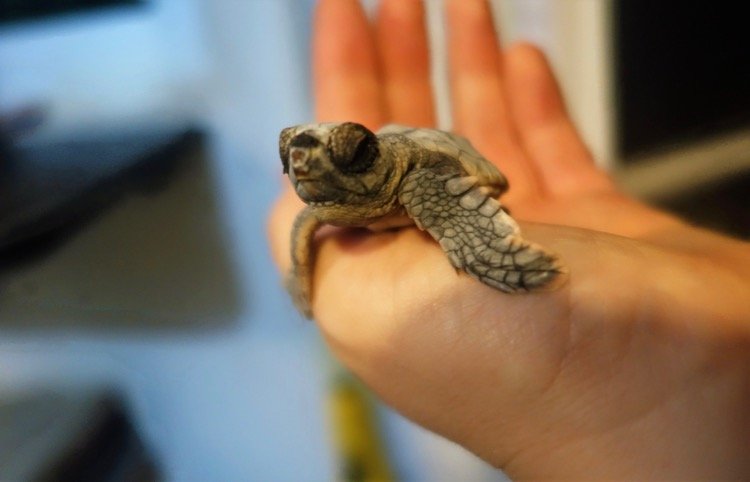
    The ocean and beaches of Cancun, Isla Mujeres, and the Riviera Maya are some of the best spots in the world to see sea turtles. Loggerhead, green, and hawksbill sea turtles are the most common, though sometimes giant leatherback sea turtles (the largest turtle in the world and fourth heaviest reptile) make appearances, too. From May through October, female sea turtles come ashore every night to dig nests and lay dozens of eggs each. The eggs hatch and the babies swim out to sea in July through December. Most resorts in Cancun are involved in sea turtle conservation efforts, and allow guests to participate or watch in all stages, including gathering the eggs into a protective enclosure and assisting in a sunset release of the babies. Snorkelers and divers visiting Cancun during the summer and fall months may glimpse sea turtles mating in the ocean. Winter or spring visitors will still find plenty to see at Tortugranja, the turtle conservation center in Isla Mujeres. While there, visitors can see, feed, and interact with turtles at all stages of development, along with other local marine life, like conches, horseshoe crabs, and urchins.

  7. Day Trip to Tulum

    Mayan Ruins Tulum Mexico
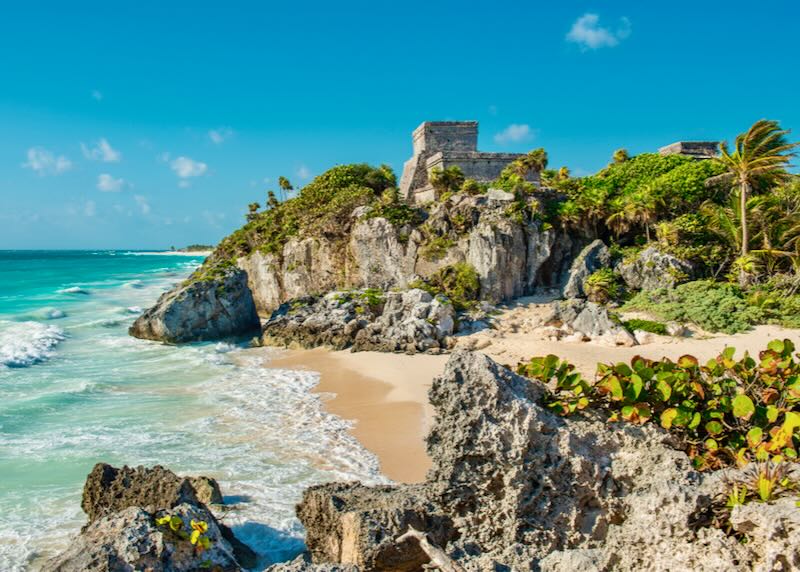
    Located about an hour and a half south of Cancun, Tulum offers a unique getaway from the city, with a blend of bohemian style, sparkling cenotes, Mayan ruins, and gorgeous beaches. Start with beachfront yoga at Sanará, followed by a healthy vegan breakfast at nearby Raw Love or a filling Mexican breakfast at Taqueria Honorio downtown. Head to the Ruins of Tulum next, before the sun gets too high and hot. The main entry to the ruins is off the highway, near the Artisan Mall, but strong swimmers can reach the ruins by swimming up from Santa Fe beach to the aptly named Ruins Beach. Entry is 65 pesos per person; add 600 for a guided tour. After the ruins, be sure to visit at least one of Tulum’s cenotes. There are three major cenotes in the area: Gran Cenote is the largest and busiest, made up of several small cenotes and filled with fish and turtles. Dos Ojos is two connecting cenotes, one a bright clear blue and the other a deep, dark cavern (they have flashlights to rent). Finally, Yal Ku is more of a lagoon, with a mix of fresh and salt water and tons of colorful, tropical fish.

  8. Speed through the Jungle Lagoon

    Touring the lagoon in Cancun
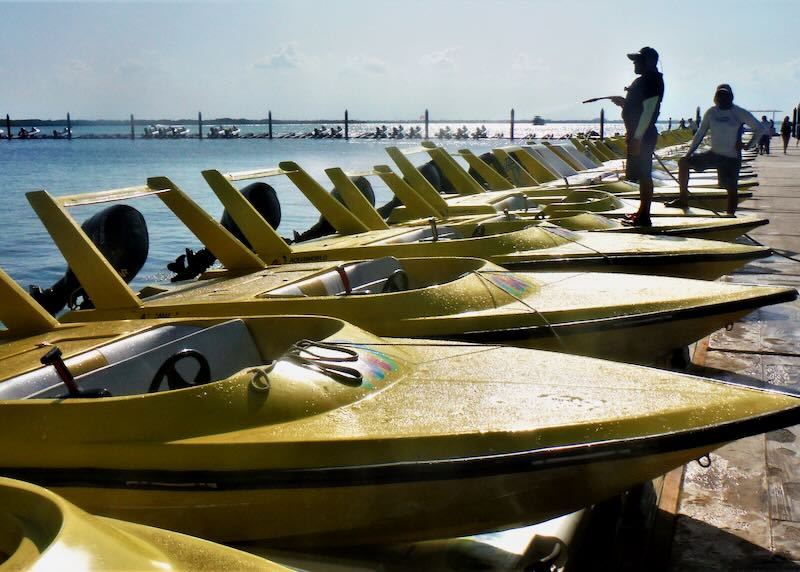
    Due west of Cancun’s main beach is Nichupte Lagoon, surrounded by a mangrove jungle, cut through with winding canals, and filled with wildlife. Tiny, two-seater speed boats are the most fun way to explore the lagoon once you get the hang of steering. Guests whip through the jungle waterways and make for the reef for a snorkel interlude before turning around. Most tours snorkel at the Punta Nizuc reef, sometimes in view of the underwater museum.

  9. Visit the Maya Museum and San Miguelito Ruins

    Visiting the Maya museum in Cancun
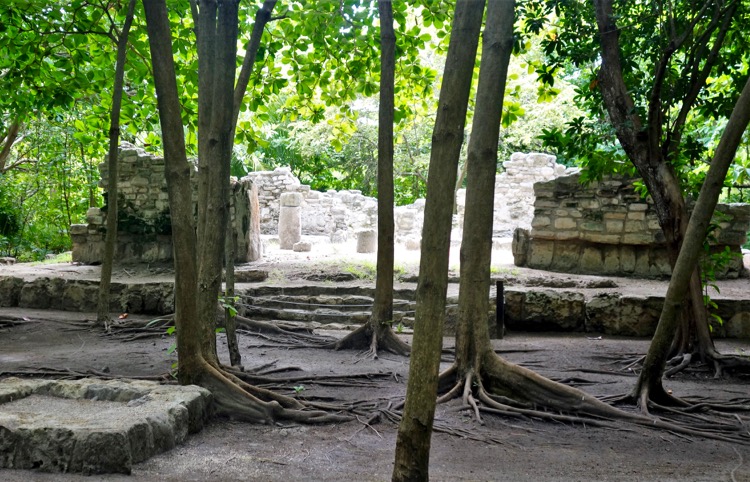
    The Museo Maya and the San Miguelito archaeological site share an 80-hectacre compound in the Hotel Zone. Opened in 2012, the museum holds some of the most important Maya artifacts from the Yucatan region, including many from Chichen Itza, as well as from Comalcalco and Palenque in Tabasco and Chiapas, respectively. Three main galleries cover various topics of Maya history, archaeology, and culture, especially in the pre-Hispanic era. Museum tickets also grant admission to the San Miguelito site, a collection of Maya ruins spread out through a jungle garden. Included in this site are a pyramid, temple, and the remains of family homes. Museo Maya and San Miguelito are open from 9:00am until 6:00pm every day except Mondays.

  10. Learn to Scuba

    The best scuba tours in Cancun
    Cancun is the perfect spot for first-timers to try out scuba diving. It’s adjacent to the Mesoamerican Barrier Reef, the world’s second largest reef system, and with the underwater museum, endless cenotes, and an abundance of marine life, the city has so many aquatic attractions that are really worth the up close attention that scuba gives over snorkeling. Two-hour intro classes are available at several locations in the Hotel Zone and Riviera Maya, and though patrons won’t leave there PADI certified, they will receive a certificate allowing them to join guided scuba tours all over the area. Aquaworld offers a package deal for a morning intro class, followed by an afternoon dive at MUSA, and Scuba Diving Cancun offers a lesson package that includes two reef dives. Children must be at least ten-years-old to attend most dive courses and at least sixteen to attend without parental guidance.

  11. Day Trip to Isla Mujeres

    Isla Mujeres day trip from Cancun
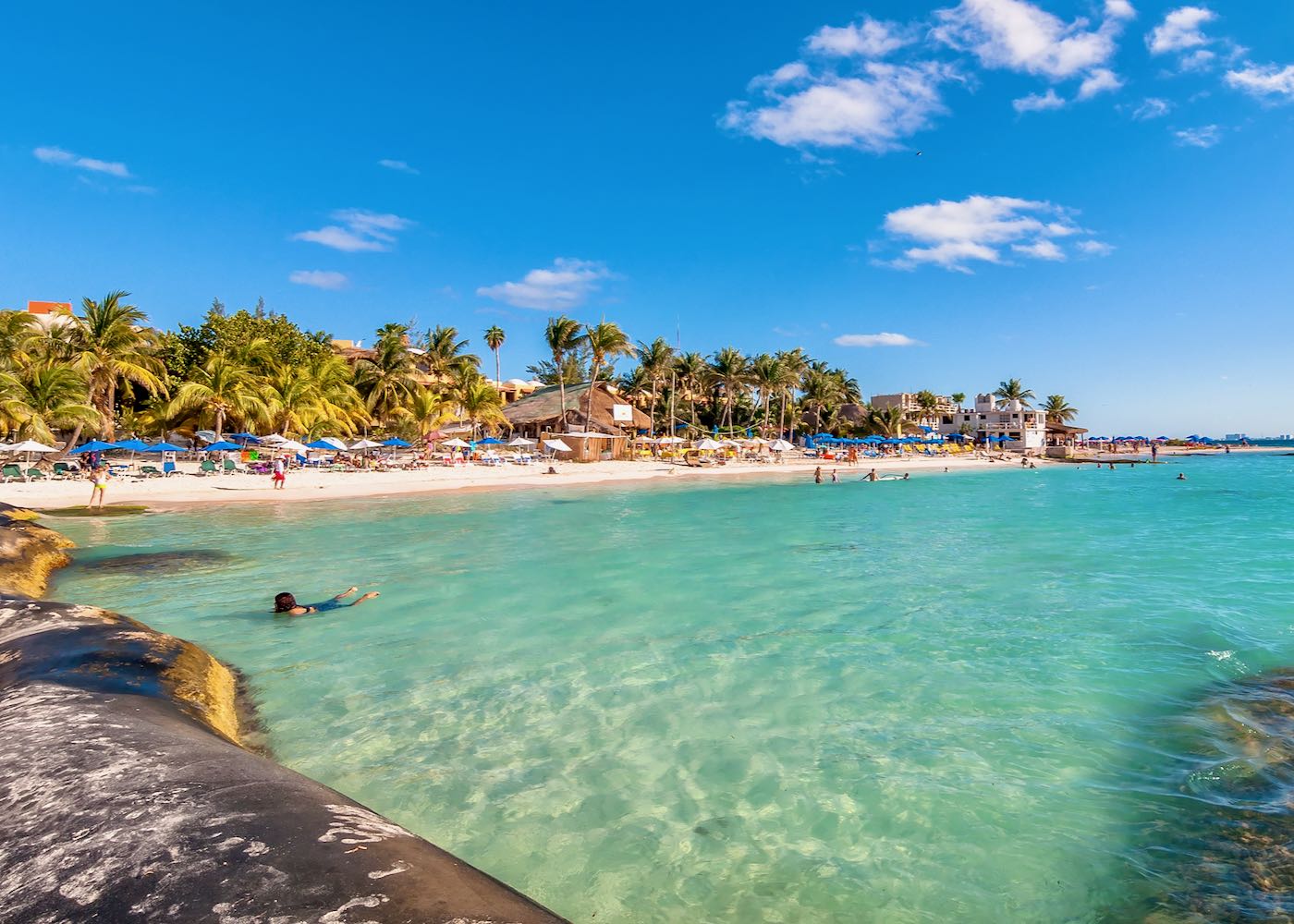
    Isla Mujeres offers a laid back change of pace, just a fifteen minute ferry ride away from Cancun. Translating to “Island of Women,” the island’s name comes from it being the historical site if the Temple of Ixchel, the Maya fertility goddess. Now it’s a major destination, known for its main beach, Playa Norte, consistently ranked among best beaches in the world. It’s Downtown area has several amazing restaurants (try Rooster or Ruben’s) and street vendors on Hidalgo Street, while the South End of is home to Punta Sur national park, with Ixchel’s Temple ruins and a sculpture garden, plus Tortugranja, the turtle sanctuary, and Garrafon Natural Reef Park, with snorkeling, ziplining, kayaking, and more. The island is small, less than eight kilometers long and less than one kilometer across, so it’s easy to see the whole thing in a day. The preferred mode of travel here is by golf cart, with several rental shops directly across the street from the ferry terminal.

  12. Explore the Shops and Food at Market 28

    The best street market in Cancun
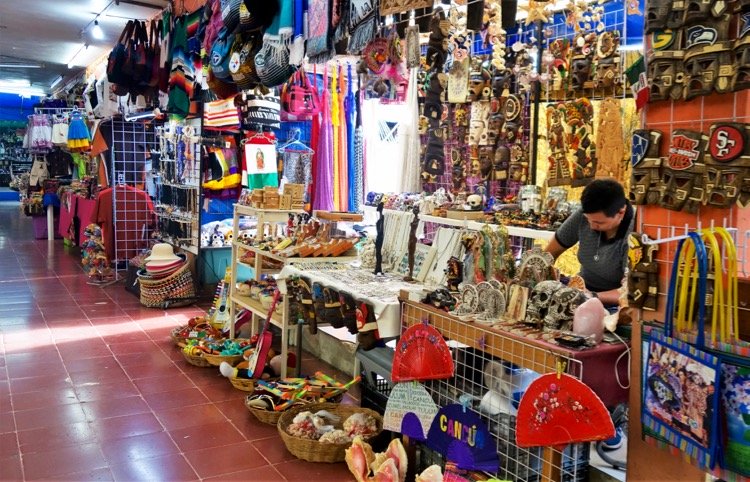
    Mercado 28 is a huge, maze-like, flea market in Downtown with over 600 vendors and restaurants. Stalls sell tons of trinkets and textiles, like maracas, blankets, and leather goods, with some great bargain prices and some unique handicrafts mixed in with the souvenirs. Salespeople can be a little pushy, but it’s all in the game, so be prepared to haggle and you can walk away with some great buys. The market is also a great spot to try more authentic, local foods at a fraction of the Hotel Zone cost. Try Restaurant Margely here, one of the best spots for local Yucatecan food; ask for the conchinita pibil or the parrillada yucateca. This place is easy to reach by bus from the hotel zone. Take the R-2 bus and ask to get off at Market 28; this is the stop right before Wal-Mart. Then take Avenue Coba to Avenue Tankah headed north. Mercado 28 will be right behind the Super Aki store. There are a few stores in the area that have a similar name to try to fool tourists into stopping there, like Plaza 28 or Market 23, so look for the Super Aki and a sign behind it that says Mercado 28!

Read More

Bajío Itinerary

Mexico › Bajío Itinerary
Updated: March 3, 2022

See Also

7 Days in the Bajío – Traveling the Ruta de Plata

The Best of the Bajío

Planning a Bajío Itinerary – Top 5 Bajío Highlights

1. San Miguel de Allende

The most beautiful town in the Bajío, San Miguel de Allende has retained its colonial charm, despite being crammed with posh boutique hotels, art galleries, gourmet restaurants, and thousands of North American expats – strolling its hilly, cobbled streets is likely to the highlight of the trip. The city’s most famous sight is the town church, the Parroquia de San Miguel Arcángel on the Jardín Principal, the sleepy main plaza. Nearby, the Casa de Don Ignacio de Allende was the birthplace of the Independence hero Miguel Allende in 1769 and now operates as an absorbing history museum. The other big draw here is contemporary art – San Miguel has been attracting artists since the 1930s, and the town is known for its high-quality galleries. San Miguel also boasts the best hotels and restaurants in the region.

Recommended Hotels: Casa de Sierra NevadaCasa de la CuestaCasa MishaMatilda

2. Guanajuato

Bigger and busier than San Miguel – it’s a big university town – Guanajuato is a grand colonial city, with a dramatic setting in a deep valley and a cache of stately mansions and churches that recall old Spain. It’s a wonderful place for aimless wandering, though there are plenty of must-see attractions, from Diego Rivera’s birthplace (now a museum dedicated to the artist) to a slightly ghoulish museum of mummified corpses (Museo de las Momias de Guanajuato). The Teatro Juárez is perhaps the region’s most elegant building, while the period interiors and gardens of Hacienda de San Gabriel de Barrera show how the upper classes of Guanajuato once lived. Don’t leave without soaking up the views from the Pípila Monument, high above the city.

Recommended Hotels: Mesón del RosarioEdelmira Hotel BoutiqueQuinta Las Acacias

3. Street Food and Local Specialties

Foodies are in for a treat traveling in the Bajío. In addition to some of the best restaurants in the country, there are plenty of local specialties and street stalls to enjoy. Querétaro is known for its “sopa regional”, a lentil soup with slices of dried fruit, and “enchiladas Queretanas”, fried tortillas stuffed with chili sauce, onions, and cheese. San Miguel is famed for its gourmet restaurants, but Carnitas Bautista is a legendary no-frills canteen serving roast pig in tortillas and gorditas. In Guanajuato, locally celebrated “enchiladas mineras” and birria (goat or mutton stew), is served at stalls in the historic Mercado Hidalgo. Dolores Hidalgo offers wacky ice cream concoctions, everything from alfalfa and beer flavors, to avocado and shrimp.

4. Santuario de Jesús Nazareno de Atotonilco

The “Sistine Chapel of Mexico” is one of the most spectacular religious sights in the country and well worth the effort to get here. Constructed in the 18th century, the shrine was founded by Father Luis Felipe Neri de Alfaro, and looks relatively plain from the outside. The interior, however, is plastered with murals, sculptures, and paintings, principally by Baroque master Miguel Antonio Martínez de Pocasangre. A trip here can be combined with bathing in hot springs at nearby Escondido Place and La Gruta.

5. Mineral de Pozos

The semi-ghost town of Mineral de Pozos makes for a fascinating day-trip, with much of the once-booming colonial mining hub now romantic ruins, from low-slung adobe houses and abandoned haciendas, to actual mine workings and crumbling kilns. Standouts include the ruins of the Hacienda de Cinco Señores, an abandoned mine complex, and the three pyramid-like hornos (smelters) of Santa Brígida. It’s not completely dead, though – artists have restored some of the buildings and established galleries here, and there are plenty of atmospheric boutique hotels and places to eat. Many tunnels in the surrounding countryside and not marked, so hikers should take extra care.

Recommended Hotel: Posada de Las Minas

7 Days in the Bajío (Ruta de Plata)

The “Ruta de Plata” or “Silver Route” was pioneered by the Spanish in the 17th century, one of the “Royal roads” that connected Mexico City with the rich silver mining towns of the Bajío. It originally went all the way to Zacatecas, but this 7-day itinerary takes in the picturesque section between San Juan del Río and Guanajuato – much of the route has been added to UNESCO’s World Heritage List. Renting a car will allow much more flexibility – the main roads are all well-maintained here – but it’s possible to follow the route via a series of buses.

Day 1: San Juan del Río

• Soak up the scene in the twin central squares of the Plaza Independencia and Plaza de los Fundadores
• Peruse the food stalls at Mercado Reforma
• Shop for gemstones (primarily local opals), handmade baskets, Hidalgo wine and local cheese
• Visit the Museo de la Muerte (“Museum of the Dead”) to learn about Mexican rituals surrounding death
• Eat or drink at colonial-style Café La Parroquia
Recommended Hotels: Hotel Layseca

Day 2: Querétaro

• Begin a tour of elegant Querétaro with breakfast on colonial Plaza de Armas
• Visit the Museo Casa de la Zacatecana and the Museo Regional de Querétaro
• Sample a torta (sandwich) at Las Tortugas
• Visit the Templo de Santa Clara and the Convento de la Cruz
• Catching sunset over city’s historic aqueduct from the Mirador de los Arcos
• Dinner at Chinicuil (helmed by chef Alan Rodríguez), followed by cocktails on Plaza de Armas
Recommended Hotels: Casa de la Marquesa (Querétaro)

Day 3: San Miguel de Allende

• Stroll the Jardín Principal; visit the church and Casa Allende
• Visit Jardín de San Francisco and its two colonial churches, as well as Templo de Nuestra Señora de la Salud
• Peruse local art galleries or the handicrafts at the Mercado de Artesanías
• Dinner at The Restaurant
Recommended Hotels: Casa de Sierra NevadaCasa de la CuestaCasa MishaMatilda

Day 4: Atotonilco

• Drive, take a taxi or catch the local bus from San Miguel de Allende to view the mesmerizing art the Santuario de Jesús Nazareno de Atotonilco
• Spend the afternoon bathing in the outdoor mineral pools at La Gruta or Escondido Place

Day 5: Dolores Hidalgo

• Visit the Parroquia de Nuestra Señora de los Dolores, the church where Father Hidalgo issued his famous “Grito de Dolores” in 1810, signaling the start of the Mexican War of Independence
• Visit the Museo Histórico Curato de Dolores, Father Hidalgo’s home between 1804 and 1810, now a tribute to the “Father of Independence”
• Visit the Museo del Bicentenario, birthplace and former home of independence hero Mariano Abasolo
• Visit the Casa Museo José Alfredo Jiménez, which commemorates Mexico’s greatest ranchera singer – Jiménez was born in Dolores in 1926 and is buried here
• Sample the town’s quirky ice cream flavors around Plaza Principal

Day 6: Mineral de Pozos

• Dolores is the best departure point for Mineral de Pozos – day-trips are possible but it’s better to stay the night. Organized tours also run from San Miguel de Allende
• Start at the central plaza, Jardín Principal, and visit the church, Parroquia San Pedro
• Explore the streets of the old town
• Drive out to the hornos of Santa Brígida, on the east side of town
• Visit one of the old haciendas such as “El Triángulo” and the ruins at Mina Cinco Señores, on the west side of town
• Eat at acclaimed restaurant, La Fama
Recommended Hotels: Posada de Las Minas

Day 7: Guanajuato

• Ride the funicular up to Monumento al Pipila
• Drinks on Jardín de la Unión, the main plaza
• Visit Templo de San Diego and the Teatro Juárez
• Visit Museo Palacio de los Poderes and Basílica de Nuestra Señora de Guanajuato
• Eat at Mercado Hidalgo
• Visit Museo Regional de Guanajuato
• Dinner at Casa Mercedes
• Join a traditional callejóneada
Recommended Hotels: Mesón del RosarioEdelmira Hotel BoutiqueQuinta Las Acacias

Read More

The Best Wines & Wineries in Valle de Guadalupe

Mexico › Best Baja Wineries
Updated: March 3, 2022

See Also

Winery in Baja.

Baja’s Valle de Guadalupe – Tips & Advice

  • Where is Valle de Guadalupe?
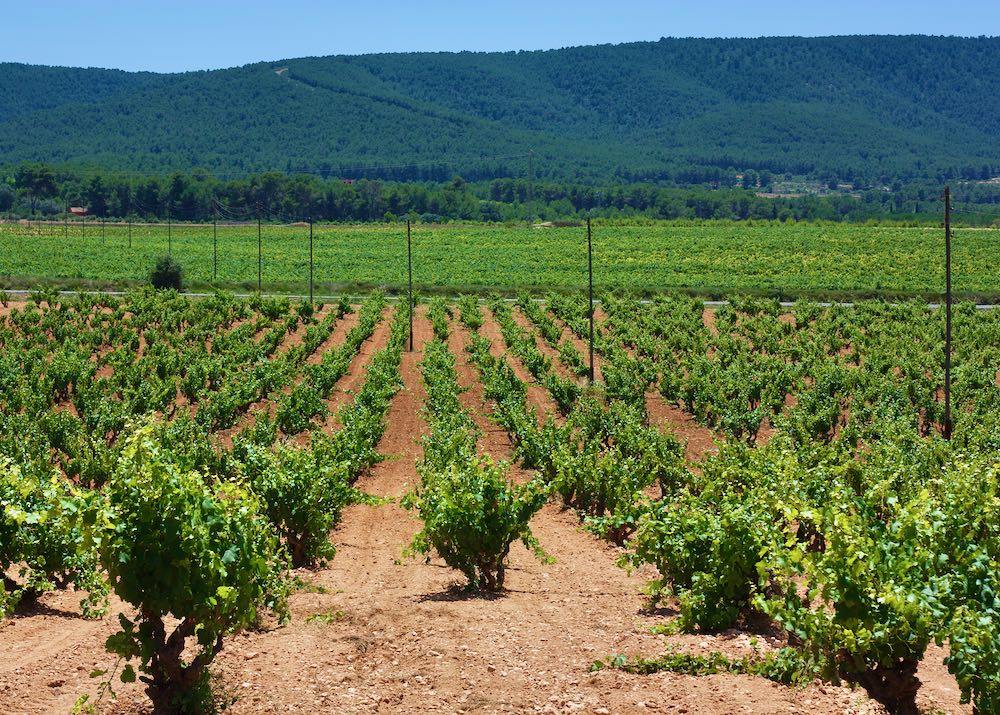
    Valle de Guadalupe is a compact wine-growing region lying just inland from the Pacific Ocean, in the northern Mexican state of Baja California – 40 km northeast of Ensenada and 70 km (43 miles) south of the US-Mexican border. The villages of San Antonio de las Minas in the southwest and Francisco Zarco and El Porvenir in the northeast are the main settlements in the valley.
  • When To Visit Valle de Guadalupe
    Wineries are usually open year-round for visits, but the busiest period for Guadalupe is during the Fiestas de la Vendimia (Wine Harvest Festival), late July through August when the grapes are picked and crushed. However, the valley is very hot at this time – climate-wise it’s more comfortable (and less busy) to visit in the Fall or Spring. The best time is late March to early May when the valley is bursting with flowers and the vines are beginning to bloom.
  • How to visit Valle de Guadalupe
    The most convenient way to visit Valle de Guadalupe is with a vehicle (assuming there is a designated driver). Plenty of Americans and Canadians take their own cars, crossing the border in Tijuana or Tecate. From Ensenada, Hwy-3 (dubbed “La Ruta del Vino”) cuts inland into the valley; most of the wineries are located on dirt roads that branch off this highway (and most are well signposted). It’s also possible to rent a car in Tijuana or Ensenada (taking a rental car across the US border can be complicated/expensive).

    In addition, a service dubbed “uberVALLE” offers day-long, round-trip Uber rides to the Valle de Guadalupe from Ensenada – just select “valleX” in the Uber app (the driver will wait at the various vineyards).

  • Guided tours in Valle de Guadalupe
    Numerous guided tours offer a no-hassle, convenient way to visit Valle de Guadalupe’s wineries – tours depart Rosarito, Ensenada, Tijuana, and even across the border in San Diego. Our favorites include Baja Viajes, Baja Wine Tours, and the fun, bespoke tours at Valley Girl Wine Tours.
  • Do I need to speak Spanish in Valle de Guadalupe?
    It’s always a good idea to know a little Spanish when visiting the wineries, though there are English-speakers at almost every vineyard in Valle de Guadalupe.
  • How much do wineries charge in Valle de Guadalupe?
    Most wineries charge for tastings, but not always for tours – costs vary widely, from as low as 50 pesos to 600 pesos, with an average of around 200 pesos for a tasting of five wines. Though showing up at the major wineries without a reservation is possible, it is best to call before visiting.
  • Where should I stay in Valle de Guadalupe?
    Our favorite spots to stay in Valle de Guadalupe include the Adobe Guadalupe, a charming six-room B&B, and stylish La Villa del Valle.
  • Restaurants in Valle de Guadalupe
    Our top pick for a gourmet Baja Med meal in Valle de Guadalupe is Laja, helmed by Chef Rafael Magaña Tinoco.
  • Safety in Valle de Guadalupe
    The Valle de Guadalupe is one of the safest parts of Mexico, though care should be taken driving through the border cities of Tijuana and Tecate.
  • TIP – Get oriented at a couple of small but worthy museums in Valle de Guadalupe
    The sleek Museo de la Vid y el Vino (just outside Francisco Zarco) introduces the history of wine-making in the region, while the Museo Comunitario Ruso in Francisco Zarco pays tribute to the valley’s Russian pioneers, settlers who came here in the early 1900s.
  • The 15 Best Wines and Wineries in the Valle de Guadalupe

    1. Adobe Guadalupe

    Their winery is one of the most atmospheric in the valley, with a Spanish Mission-style tasting room complete with bell tower and adobe arches. It’s also possible to stay in the charming B&B on site and have dinner at the restaurant.

    Best Wine – Gabriel – This Bordeaux-style red (blend, with 55 percent Merlot), with a dry and fruity taste was created by Adobe Guadalupe owner Tru Miller with winemaker Daniel Lonnberg.
    Location – Parcela A-1 S/N, Valle de Guadalupe
    Details – Tastings daily 10am–5pm (reservation recommended); 250–300 pesos
    Where to StayAgua de Vida

    2. Monte Xanic

    To visit the elegant Monte Xanic winery advance reservations are required – guards will only open the gate once they’ve checked a reservation has been made. Inside a tranquil man-made lake, breezy covered patio, and cozy tasting room can be found.

    Best Wine – Gran Ricardo – The connoisseurs choice for Bordeaux-style reds (a blend of Cabernet Sauvignon, Merlot and Petit Verdot) – pricey but worth it.
    Location – Francisco Zarco S/N, Col, 22750 Valle de Guadalupe
    Details – Tastings and tours daily 10am–5pm (reservations required); 250–300 pesos
    Where to Stay – Casa Pan y Vino

    3. L. A. Cetto

    L. A. Cetto is one of the oldest producers in the valley, with roots that go back to 1928; it’s now the biggest producer of table wines in Mexico (also noted for Petite Sirah, Cabernet Sauvignon, and Zinfandel). The vineyard features a spacious tasting room with rustic wood ceiling, tiled floor, and floor-to-ceiling racks of bottles of wine, but gets very busy at the weekends.

    Best Wine – ‘Reserva Privada’ Nebbiolo – Rich, barrel-aged red wine, similar to Italy’s Barolo.
    Location – Carretera Tecate–El Sauzal Km 73.5, Valle de Guadalupe 22750
    Details – Tastings daily 9am–5pm; 50 pesos (100 pesos for reserves)
    Where to Stay – Encuentro Guadalupe

    4. Casa de Piedra

    French-born d’Acosta is generally credited with the renaissance of Mexican wine since the late 1990s. The vineyard name comes from the old stone building (Casa de Piedra is “Stone House”) in which the wine is now made – tasting takes place up the hill in a modest adobe building, with superb views of the vineyards below.

    Best Wine – Vino de Piedra – The signature red wine (Tempranillo and Cabernet Sauvignon blend) from famed winemaker Hugo d’Acosta, aged 13 months in French and American oak barrels.
    Location – Carretera Tecate–Ensenada Km 93.5, San Antonio de las Minas, Ensenada, Baja California 22755
    Details – Tastings by appointment only (usually Sat & Sun 11am–6pm); Free
    Where to Stay – Posada San Antonio

    5. Château Camou

    The all-white winery building makes a stunning contrast to the arid surroundings, looming above the vineyards like a giant fortress. The tasting room features tables made of old oak barrels.

    Best Wine – Gran Vino Tinto – Very intense, ruby-red wine (Cabernet Sauvignon, Cabernet Franc and Merlot blend), produced at Château Camou in the Cañada del Trigo, a canyon in the northwest of the valley.
    Location – Domicilio Conocido s/n, 22785 Valle de Guadalupe
    Details – Tastings daily 11am–4pm (reservations required at least 15 days in advance); US$12–30 (258–646 pesos)
    Where to Stay – Casa Emiliana

    6. Viñedos Bibayoff

    The only Russian family-owned vineyard still open to the public – Bibayoff was established in 1906 by Russian emigres, and there’s an interesting history museum on-site.

    Best Wine – Zinfandel – An old vine Zinfandel that is a bit like a Spanish Rioja.
    Location – Rancho Toros Pinto, Ensenada
    Details – Tours and wine tasting by appointment, Tues–Sun 11am–5:30pm; 100 pesos
    Where to Stay – El Cielo Winery and Resort

    7. Villa Montefiori (Vinos Paoloni)

    Paoloni’s vines are all from Italian rootstock. His tasting room is sleek and contemporary, with two levels, floor-to-ceiling glass and a veranda.

    Best Wine – Nebbiolo de Guadalupe – Signature 100 percent Nebbiolo (aged 15 months in French oak), made by Italian-born winemaker Paolo Paoloni (the wines are sold under the “Paoloni” label in the US).
    Location – Parcela 26-1 s/n Ejido El Porvenir Km 9, Valle de Guadalupe
    Details – Tastings daily 11am to 5pm (reservations recommended); 200–450 pesos
    Where to Stay – Villa Toros Pintos

    8. Hacienda La Lomita

    Owned by Fernando Perez-Castro, the winery itself features a rustic Spanish Mission style, with a tasting room on the second level, most notable for its stunning murals by Mexican artist Jorge Tellaeche. Be sure to take a tour after the tasting to see more of his murals in the production area (he also designed the hip labels on the wine). Dine at the TrasLomita Restaurant on-site.

    Best Wine – Tinto de la Hacienda & Pagano – Two much sought after wines recommended from Lomita; the Tinto de la Hacienda (a blend of Cabernet, Merlot, and Syrah, aged 10 months in second use French oak) is one of the best bargains in the valley, while the Pagano (100 percent Grenache) is a more full-bodied wine. It’s one of the few Mexican wines served at the celebrated French Laundry restaurant in California.
    Location – Fracc. 3, Lote 13, Camino Vecinal Parcela 71, San Marcos, Valle de Guadalupe
    Details – Tastings Wed & Thurs 11am–4pm, Fri–Sun 11am–6pm; US$12–21 (258–452 pesos)
    Where to Stay – Entrevalle Hotel Boutique

    9. Viñas de la Erre

    Winemaker and owner Ernesto Rochas’s tasting room stands like a large open-sided barn in the lee of a hill, furnished with wooden tables and chairs providing visitors with an expansive view.

    Best Wine – Mezcla Bordalesa Gran Reserva – Highly prized blend of Cabernet Sauvignon (85 percent), Merlot, Cabernet Franc and Petit Verdot, aged 28 months in French oak, from winemaker and owner Ernesto Rocha.
    Location – Carretera Tecate-Ensenada 87.5 San Antonio de las Minas, Tecate
    Details – Tastings Fri noon–6pm, Sat & Sun 11am–6pm; 250–300 pesos
    Where to Stay – Casa Mayoral

    10. Bodegas de Santo Tomás

    The main vineyard actually lies south of the valley and Ensenada, but they operate a tasting room (“cava”) in San Antonio de las Minas (at the start of the Valle de Guadalupe).

    Best Wine – Único – Luscious Cabernet Sauvignon (60 percent) and Merlot (40 percent) blend from Baja’s oldest existing winery, with roots in 1791 (commercial production began in 1888).
    Location – (Cava San Antonio de las Minas); Carretera Federal No. 3, Ensenada–Tecate Km 94.7
    Details – Tastings daily 10am–5pm (reservations recommended); 200 pesos
    Where to Stay – En’kanto

    11. Barón Balch’é

    “Balch’é” means “sacred drink” in Mayan. Try and book a meal at on-site Tahal, an open-sided, breezy restaurant with stellar views across the surrounding desert and mountains.

    Best Wine – Balché Uno Premium – This intense 100 percent Grenache (aged in French oak for 36 month) is one of our all-time favorites.
    Location – Juanita Beltran s/n, Ejido El Porvenir, 22755 Ensenada
    Details – Tastings daily 11am–7pm; 140–330 pesos
    Where to Stay – Terra del Valle Bed & Breakfast

    12. AlXimia

    Helmed by mathematician Alvaro Alvarez-Parrilla, AlXimia is an eco-friendly winery that looks like a giant flying saucer – it’s a fun place to visit. Inside the giant dome, there are three floors where just about the whole process of wine-making takes place, from huge stainless steel fermenting drums to the French oak barrels in the underground “cava”.

    Best Wine – Magma – Fabulous, complex blend of Carignan (Cariñena; two thirds) and Grenache (Garnacha; one third), aged 24 months in French oak barrels – it’s a bit like wines from the Spanish Priorat region.
    Location – Camino Vecinal al Tigre Km 3 (enseguida rancho El Parral), Valle de Guadalupe 22766
    Details – Tastings daily 11am–5pm; 250 pesos
    Where to Stay – Rancho el Parral

    13. Viña de Frannes

    A boutique winery established by Ernesto Álvarez Morphy Camou, the founder of Château Camou (which is next door). The famed Bordeaux-based winemaker Michel Rolland acts as a consultant. Viña de Frannes winery is a little off the beaten path, where it can be enjoyed in solitude. The tasting room is a real highlight of the valley, a raised, minimalist-style wood and glass cube.

    Best Wine – Pater – Limited production Cabernet Sauvignon, aged 18 months in French oak.
    Location – Camino Vecinal al Rancho Cañada del Trigo, 22750 Valle de Guadalupe
    Details – Tastings Wed–Sun 10am–5pm (call ahead); 130–240 pesos
    Where to Stay – Ojo Azul Resort

    14. Corona del Valle

    Helmed by Hector Corona and family, Corona del Valle is a rustic chic winery – liberally decorated with distressed wood, antiques and recyclable items – known as the most family-friendly in the valley, with several play areas for kids. There’s also an excellent restaurant on-site (with kids menu) specializing in Baja Med cuisine.

    Best Wine – Tempranillo/Nebbiolo – This prize-winning blend of Tempranillo (60 percent) and Nebbiolo (40 percent), aged for 12 months in French oak, is another favorite of California’s French Laundry.
    Location – Carretera Tecate-Ensenada Km 89, 22760 Valle de Guadalupe
    Details – Tastings summer daily 1–9pm, winter 11am–7pm; 100–250 pesos
    Where to Stay – Contemplacion

    15. Vena Cava

    Founded by Phil and Eileen Gregory, Vena Cava’s premises are as much an attraction as the wine. Designed by architect Alejandro D’Acosta, they are built from reclaimed fishing boats and wood, and recycled bottles and tires, with a large outdoor patio. Don’t miss the celebrated food truck here dubbed “Troika,” for tacos, tostadas, churros, and fresh oysters.

    Best Wine – Preventa Big Blend – Another one of our absolute favorites, a dark and smoky blend of five different grapes; Syrah (25 percent), Cabernet Sauvignon (25 percent), Petite Syrah (19 percent), Zinfandel (17 percent) and Grenache (14 percent), aged 13 months in French and American oak.
    Location – Rancho San Marcos, Toros Pintos s/n, Ejido Francisco Zarco, Valle de Guadalupe
    Details – Tastings Thurs–Tues 11am–5pm (reservations required); 150–230 pesos
    Where to Stay – Santulan

    Read More

    Baja Beaches

    Mexico › Baja California Beaches
    Updated: March 3, 2022

    See Also

    The best beaches in Baja California, Mexico.

    Baja California Beaches – Tips & Info

    • When to Visit Baja California: Baja’s beaches are at their best from November through May when there’s great weather (and whale-watching Jan–Feb). Much of the peninsula shuts down during the broiling hot summers, though Los Cabos tends to be an all-year destination. Skip Christmas, Easter, and Spring Break (Feb/March) to avoid the crowds.
    • Los Cabos has the most development and most luxurious resorts, and some of the best beaches overall; the top beaches for quiet and solitude are along the Bahía Concepción, and Cabo Pulmo. The best beaches for surfing are around Todos Santos and Playa Acapulquito. The best beach for families is Playa Balandra near La Paz. The best beach for partying is El Médano in Cabo San Lucas.
    • Arrival: Other than Tijuana on the US border, Baja’s biggest international gateway is Los Cabos International Airport, 19 km north of downtown San José del Cabo, and a further 32 km from Cabo San Lucas. All the major car rental companies have desks here; otherwise, reserve a taxi or shared minibus in advance with Transportistas Josefinos, Cabo Transfers, or Los Cabos Airport Shuttle. Airport taxis are very expensive and will charge US dollars – local buses are a cheaper alternative. Buses also link the airport with La Paz (via Los Barriles, or via Cabo San Lucas and Todos Santos).
    • Car rental is relatively straightforward and cheap in Baja California – beyond the congested roads of La Paz and Los Cabos, highways are generally empty and easy to navigate. Many beaches are hard to access without a vehicle, though buses do run up and down the Baja peninsula.
    • Time Zones: The state of Baja California (the northern half of the peninsula) follows Pacific Time (GMT-8) while Baja California Sur is one-hour ahead on Mountain Standard Time (GMT-7).
    • Cash is King: Most locally run beach restaurants and bars take cash only – take a wad of pesos to be safe (some places will accept US dollars but invariably at bad exchange rates). You’ll need cash to rent beach chairs and umbrellas.

    The 18 Best Beaches in Baja California

    All along the Baja coast, you’ll find turquoise waters and white-sand beaches, but Bahía Concepción, La Paz, and the remote settlements on the East Cape are the standouts. In complete contrast, right at the end of the peninsula, the booming resort of Los Cabos offers its own raucous blend of boutique hotels, watersports, gourmet restaurants, and nightlife.

    Our favorite is Playa El Requesón, on the Bahía Concepción. A magical setting on the edge of the desert, with wonderfully calm and warm water. Playa del Rosarito and Playa El Médano have a deserved reputation for partying and a vibrant nightlife. While El Saltito and Cabo Pulmo are great for beach lovers looking for a quieter, more relaxed experience. Plenty of shallow, calm beaches will appeal to families: Playa de Balandra and Playa el Chileno are the best.

    1. Playa El Requesón, Bahía Concepción (43 km south of Mulegé)

    Good beach in Baja, Mexico.
    A dazzling sandbar poking into the pristine, calm waters of Bahía Concepción. Perfect for kayaking and swimming (it’s warm and shallow). Camp on the beach (around 150 pesos) or stay in the nearest town, Mulegé. No freshwater (pit toilets only), but locals often swing by selling water, snacks, and fresh seafood. Note that parts of the beach are submerged at high tide, and it is popular with the RV crowd. Best accessed with your own transport.

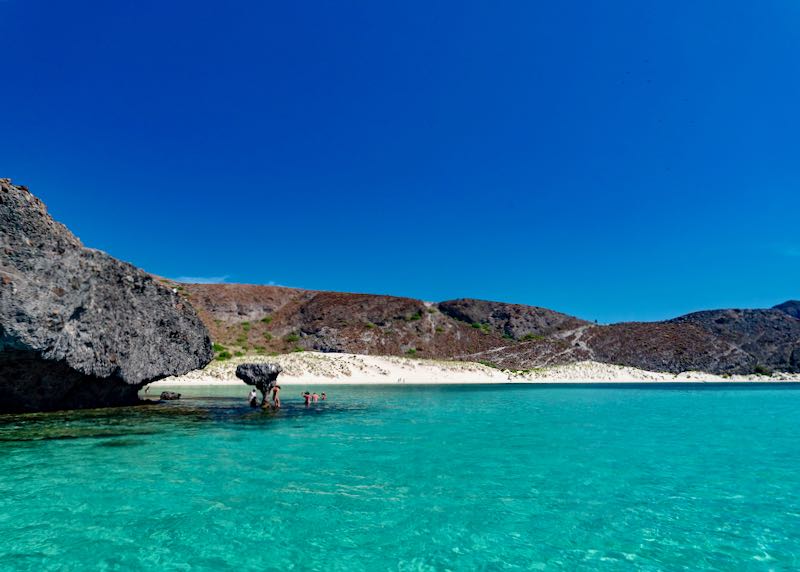
    2. Playa de Balandra (27 km north of La Paz)

    Good beach in Baja, Mexico.
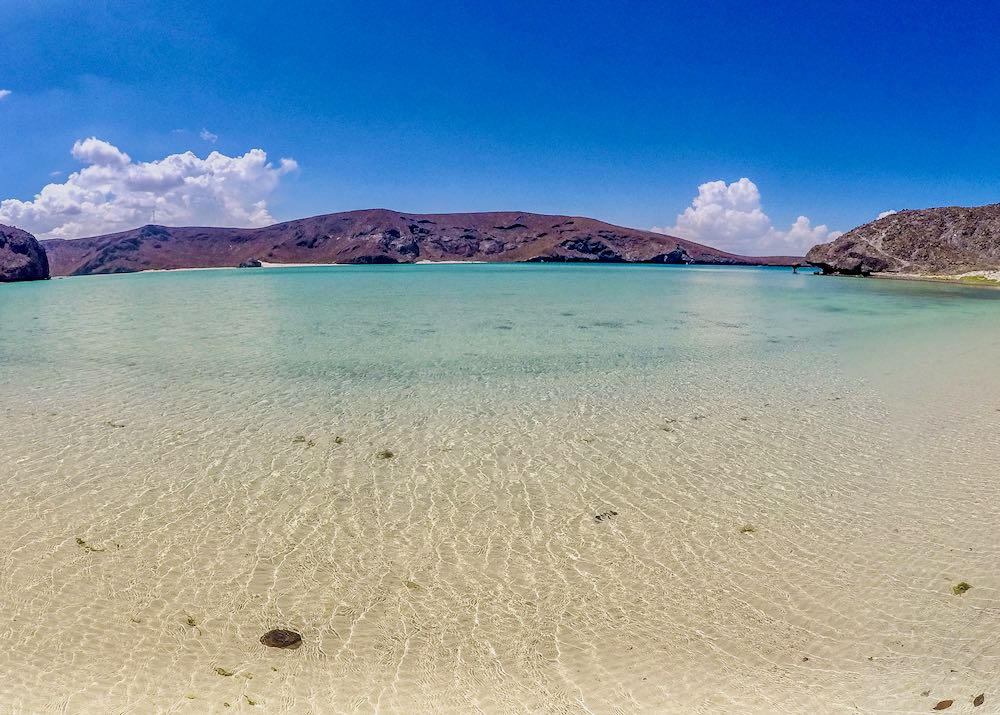
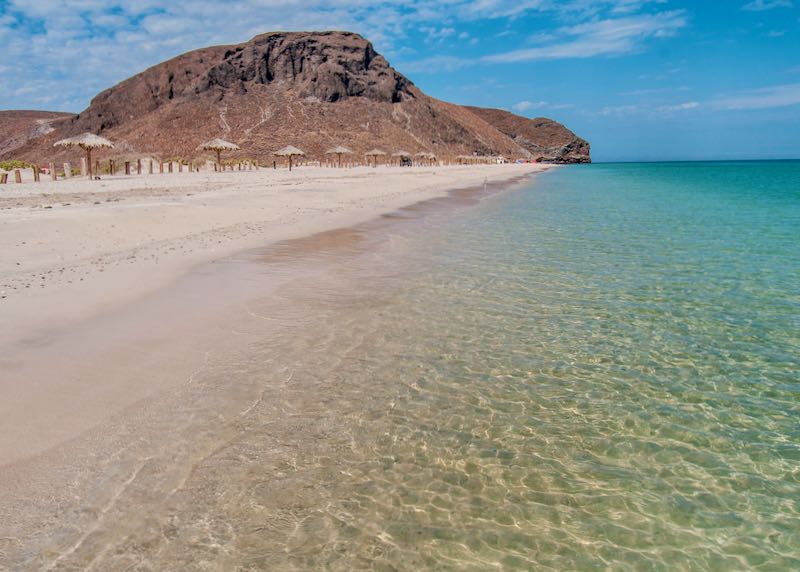
    Superb option for families, featuring a sheltered, shallow bay (no more than waist deep) and warm water for swimming and snorkeling. No facilities and few vendors, though you can rent kayaks and shelter under small palapas set on the beach. Can get very busy at weekends. Stay in La Paz and take the local bus (45min), or drive (it’s a 2hr 30min drive from Cabo San Lucas).

    3. Playa el Chileno (15 km northeast of Cabo San Lucas)

    Best of the family-friendly beaches between Cabo San Lucas and San José del Cabo. There are toilets here (the only beach on this stretch that has them) and a shop that rents watersports equipment. Excellent for swimming, diving, and snorkeling, but gets very busy in high season and at weekends. Local buses regularly run down the highway between Cabo and San José – the beach is just off the road.

    Recommended Hotel: Chileno Bay Resort & Residences (luxury)

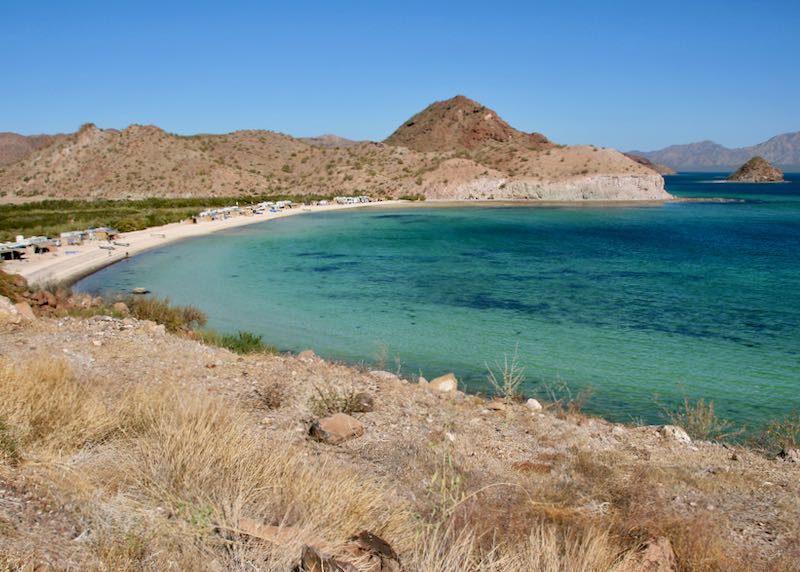
    4. Playa Santispac, Bahía Concepción (21 km south of Mulegé)

    Good beach in Baja, Mexico.
    Gorgeous beach on the Bahía Concepción, just off the main highway, with calm water and heaps of soft white sand. Attracts the usual cluster of winter RVs (Dec-March), but there’s plenty of space to camp (under palapas) plus basic toilets, showers, and simple food options (Ana’s Restaurant plus local mobile vendors). You can also rent kayaks and snorkeling gear. Vehicles charged around US$10 for parking/camping per night.

    5. Playa del Amor (Lovers’ Beach), Cabo San Lucas

    This small wedge of sand near the tip of the Baja peninsula is incredibly picturesque, accessible only by boat from the Cabo marina or Playa El Médano. You can swim at Playa del Amor (facing the bay), but the beach on the Pacific side of the point – known as Playa Divorcio – experiences dangerous riptides. There’s excellent snorkeling at nearby Pelican Rock.

    Recommended Hotels: Hotel Tesoro (mid-range) • Casa Bella (boutique) • Hotel Maria Elena (budget)

    6. Bahía Santa María, (12 km northeast of Cabo San Lucas)

    Snorkel over reefs (rays and turtles hang out here) at both ends of this enchanting horseshoe cove, and swim at the warm, protected beach in the center. There’s a parking lot a short walk from the beach (signposted from the Cabo–San José highway).

    Recommended Hotel: Montage (luxury)

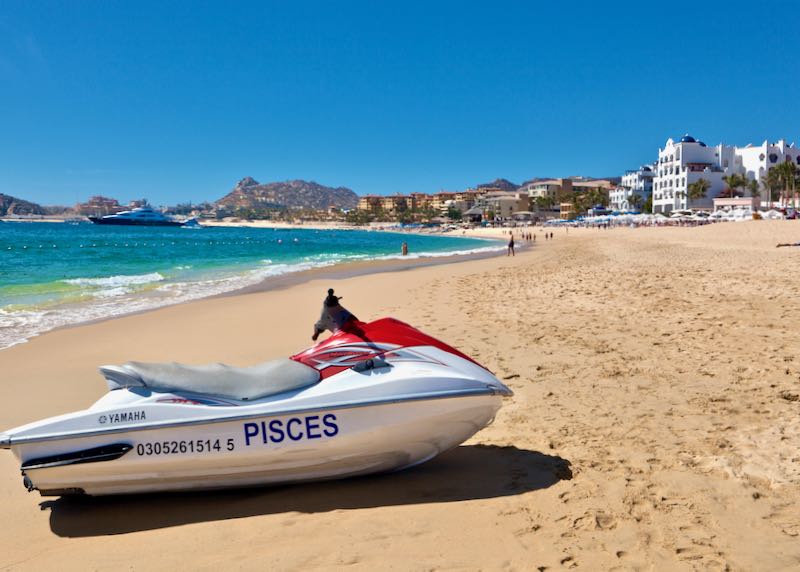
    7. Playa El Médano, Cabo San Lucas

    Good beach in Baja, Mexico.
    Cabo’s premier swimming beach is the place to party. The main strip is heaving with beach bars, vendors, jet skis, and sunbathers. It’s an entertaining scene, but note that the main beach is over 3 km long, and usually deserted at either end. Baja Watersports organizes activities.

    Recommended Hotels: ME Cabo (luxury) • Bahia Hotel & Beach House (boutique) • Riu Palace (luxury)

    8. El Saltito (30 km northeast of La Paz)

    Good beach in Baja, Mexico.
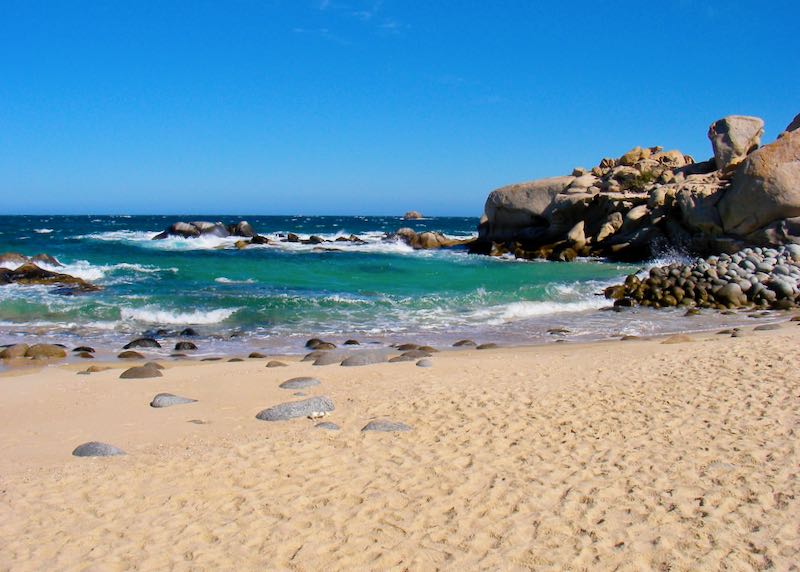
    Remote wilderness beach for travelers who like a little adventure. Getting here involves a bumpy ride on dirt roads that can become impassable when wet. There are no facilities and very few people. Good for strong swimmers only, with a steep drop-off and riptides, but with a stunning desert backdrop and wide swaths of virtually empty sand. Some people camp here, but independent transport is required – La Paz is the nearest main town.

    9. Playa El Coyote Bahía Concepción (28 km south of Mulegé)

    Popular bone-white beach (6.5 km south of Santispac), facing an idyllic crescent bay with crystal-clear water and gliding pelicans. Expect a small charge for camping and/or use of the beach palapas. The southern end is the best spot for swimming, while the northern end catches the best sunrises. Pit toilets only and no freshwater, but locals sell drinks and seafood.

    10. Beaches of Cabo Pulmo, (60 km northwest of San José del Cabo)

    Good beach in Baja, Mexico.
    The pristine beaches of the protected Cabo Pulmo National Marine Park, offer a wilder experience with a rare hard coral reef just offshore. Playa Los Arbolites (entry around 40 pesos) is ideal for snorkeling, with a huge variety of marine life, plus palapas, toilets, and showers (and snorkel rentals). About five minutes further south by car is Playa Los Frailes (free, no facilities), a picturesque cove with equally sensational snorkeling. There is no public transport to Cabo Pulmo – rent a car in Cabo or La Paz.

    Recommended Hotels: Cabo Pulmo Beach Resort (budget) • Bungalows Cabo Pulmo (budget)

    11. Playa Los Cerritos, El Pescadero (12 km south from Todos Santos)

    Wonderful, wide sandy beach justly popular with surfers and whale-watchers – whales are often visible from the shore. Rarely busy, despite being known for jaw-dropping sunsets. Mario’s Surf School rents surfboards and offers lessons. Rent a car in Cabo San Lucas (1 hr drive), or stay in the village.

    Recommended Hotels: Cerritos Surf Town Beach Hotel & Spa (mid-range) • Olas de Cerritos (mid-range) • Cerritos Beach Hotel (mid-range/luxury)

    12. Playa Acapulquito (5 km south of San José del Cabo)

    Tiny but beautiful sandy beach just south of San José’s hotel zone. AKA Old Man’s, this is an ideal surfing beach for beginners, while just around the headland lies the celebrated Zippers and La Roca breaks, with some of the best surfing in the region. Swimming is best during the late winter and early spring (the waves get bigger in the summer).

    Recommended Hotels: Cabo Surf Hotel (luxury) • Hotel Casa Costa Azul (mid-range)

    13. Playa San Felipe

    Good beach in Baja, Mexico.
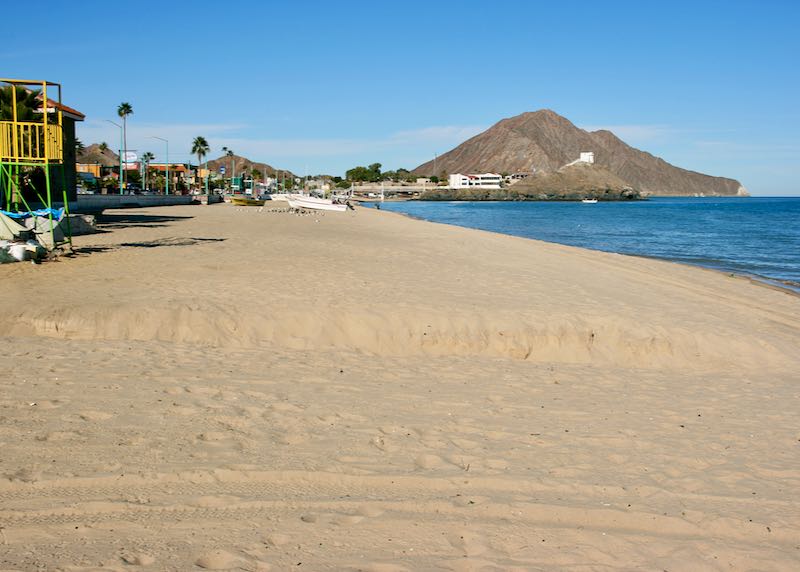
    San Felipe is a remote town on the Sea of Cortez, best known for sportfishing and off-road motorsports, but it also has a long, crescent beach and warm, emerald waters – it’s the best place to swim in northern Baja. It’s also known for its fish tacos and shellfish cocktails. Note that the upper reaches of the Sea of Cortez experience the world’s third-largest tides. There’s no airport – it’s a 2 hr 30 min bus ride or drive from the US border.

    Recommended Hotels: Stella del Mar (mid-range) • Sandollar Condotels (mid-range) • Hotel San Borja (budget)

    14. Playa de Tecolote (29 km north of La Paz)

    Good beach in Baja, Mexico.
    Fine sands and excellent snorkeling right off the beach, just another 2 km north from Balandra. Unlike Balandra, this is a long, straight strip, facing Isla del Espíritu Santo and the open Sea of Cortez. There are also lots of places to eat and drink here, with a party atmosphere at weekends. Stay in La Paz and take the local bus (45 min) or drive (it’s a 2 hr 30 min drive from Cabo San Lucas).

    15. Playa Palmilla, (7 km south of San José del Cabo)

    Clean, safe 1.5 km-long beach close to San José’s hotel zone, though there are decent point and reef breaks when the surf’s up here (summer). It’s also popular for standup paddleboarding and whale-watching. Access the beach by following signs to the One & Only Palmilla resort and take the only dirt-road cut-off to the left.

    Recommended Hotels: One&Only Palmilla (luxury) • Villas Del Mar (luxury)

    16. Playa del Rosarito

    Good beach in Baja, Mexico.
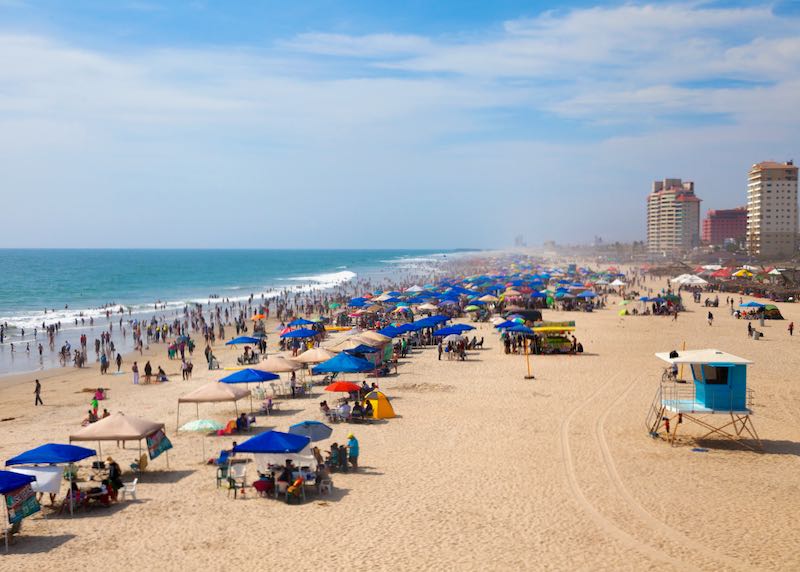
    The beaches of northern Baja are generally inferior to the south, but Rosarito deserves a shout out for its proximity to the US border (25 km) and great party atmosphere. It’s a wide swath of well-maintained and clean sand, lined with bars, hotels, and restaurants. With big Pacific swells, it’s also a popular surf location.

    Recommended Hotels: Rosarito Beach Hotel (mid-range) • Rosarito Inn (mid-range) • Del Mar Inn Rosarito (budget)

    17. Los Barriles

    Good beach in Baja, Mexico.
    Low-key resort town with wide, often empty sandy beaches. It’s primarily a sportfishing and windsurfing/kiteboarding (winter) hub, some 66 km north of Los Cabos airport, but the clear waters are also perfect for swimming and kayaking.

    Recommended Hotels: Martin Verdugo’s Beach Club (mid-range) • Hotel Palmas De Cortez (mid-range)

    18. Playa Hotelera (San José del Cabo)

    The long, wide strip of sand that makes up the waterfront and hotel zone of San José del Cabo is rarely crowded – despite the line of hotels, there’s plenty of space for walks, fishing, sun-bathing, and horseback riding. However, it’s not good for swimming: there’s a steep drop-off, rip-tides, and lots of surf (in summer). Some of the hotels will allow non-guests to use their pools and facilities if you purchase a day-pass.

    Recommended Hotels: Cabo Azul Resort (luxury) • Hyatt Place (luxury) • Posada Real (budget–mid-range)

    Read More

    The Best Books about Mexico

    Mexico › Books About Mexico
    Updated: March 3, 2022

    See Also

    Best Books set in Mexico

    The Lawless Roads & The Power and the Glory – Graham Greene
    Greene wrote two excellent books on Mexico after being sent there in the 1930s to investigate the effects of Plutarco Elías Calles’ crackdown on religion. The Lawless Road is his intriguing non-fiction account of his travels, while The Power and the Glory is the tale of a fictional priest, desperately trying to escape the government authorities.

    Under the Volcano – Malcolm Lowry
    Lowry’s classic describes the last day in the life of the British consul in Cuernavaca, spent mostly in an alcohol and mescal-induced haze. See also Lowry’s Dark as the Grave Wherein My Friend Is Laid.

    Log from the Sea of Cortez – John Steinbeck
    Fascinating account of Steinbeck’s sailing trip around Baja California in 1940, though it’s only part travelogue; Steinbeck’s main aim was to chart the incredible biodiversity in the Sea of Cortez.

    Best Mexican Fiction

    The Underdogs – Mariano Azuela
    “The Novel of the Mexican Revolution” from a writer who served under Pancho Villa. The Underdogs follows a group of peasants, led by outlaw Demetrio Macías, as they are pulled into the conflict.

    The Miracle Worker – Carmen Boullosa
    An exploration of Catholicism, corruption, and poverty in Mexico by one of the country’s best contemporary writers – it’s a sort of magical realist allegory about the Mexican political system.

    Like Water for Chocolate – Laura Esquivel
    The film was a huge hit, but Esquivel’s original novel is still a great read – the romantic tale of Tita, whose lover marries her sister, and who decides to use her cooking skills to win him back. Each episode is prefaced with a classic Mexican recipe.

    The Death of Artemio Cruz and The Old Gringo – Carlos Fuentes
    Mexico’s best-known writer produced many highly-acclaimed novels but these are two of the best. In the haunting Death of Artemio Cruz, the corrupt hero reviews his life from his deathbed, while the Old Gringo is a fictional imagining of American writer Ambrose Bierce’s last days, as part of Pancho Villa’s army.

    Signs Preceding the End of the World – Yuri Herrera
    A very contemporary tale of Mexican migrants crossing the US-Mexican border from the popular US-based writer. The story focuses on Makina, a young woman who is smuggled into the USA to search for her brother but who is also carrying a package from a Mexican drug lord – the book is loaded with mythological imagery, from Ancient Greece to Mesoamerica.

    Pedro Páramo – Juan Rulfo
    A precursor of magical realism, Rulfo’s novel follows the journey of Juan Preciado to his mother’s home village, now a literal ghost town inhabited by spirits, thanks to the actions of Juan’s malevolent father, Pedro Páramo.

    Down the Rabbit Hole – Juan Pablo Villalobos
    This hilarious first novel from Villalobos concerns the life of Tochtli, the son of a Mexican drug lord, growing up in a luxurious hideout inhabited by gangsters, prostitutes, drug dealers, and corrupt politicians. See also Quesadillas and I’ll Sell You a Dog.

    Best Books about Mexican History & Culture

    A Short Account of the Destruction of the Indies – Bartolome de Las Casas
    Dominican priest Las Casas wrote his account of the Spanish Conquista of the Americas after being horrified at the atrocities suffered by the indigenous peoples, as well as the devastation caused by disease.

    Manana Forever? Mexico and the Mexicans – Jorge G. Castañeda
    This former foreign minister writes perceptively about modern Mexican culture in a series of essays that cover everything from the poor performance of Mexico’s soccer team to Mexico’s troubled and complex relationship with the US.

    The Conquest of New Spain – Bernal Díaz
    Díaz accompanied Cortés on his conquest of Mexico and this remains the classic eyewitness account (usually available in a readable, abridged form).

    The Mexican Revolution – Adolfo Gilly
    Though it was published in the 1970s, this book remains the classic account of Mexico’s Revolution (1910–1920), covering Villa, Zapata and all the main political and military participants.

    A Concise History of Mexico – Brian R. Hamnett
    Part of the Cambridge Concise Histories series, this is the best (and most affordable) short history of Mexico from the pre-Columbian era to the present day.

    Frida: A Biography of Frida Kahlo – Hayden Herrera
    Definitive biography of the celebrated Mexican artist, beginning with her childhood in Mexico City and covering her stormy marriage to Diego Rivera. The book includes numerous color reproductions of her artwork.

    Mexico: Biography of Power – Enrique Krauze
    Easy-to-read but comprehensive history of Mexico from 1910 to 1996, and an excellent introduction to Mexico’s complicated recent past.

    Conquest: Montezuma, Cortés, and the Fall of Old Mexico – Hugh Thomas
    Fabulous and readable history of the Spanish Conquest by the British historian, much of it based on archive material only unearthed in the 1980s and 1990s.

    The Labyrinth of Solitude – Octavio Paz
    The most famous book from Mexico’s Nobel Prize winner in literature. These philosophical essays explore Mexican history, culture and the social and political identity of modern Mexico.

    Best books on Mesoamerican civilization

    Aztecs: An Interpretation – Inga Clendinnen
    Fascinating social history of the Aztecs that sheds light on the meaning of human sacrifice and other rituals.

    The Maya – Michael D. Coe & Stephen D. Houston
    The best general introduction to the Maya civilization, regularly updated to include the latest scholarship. The late Michael Coe was one of the world’s foremost authorities on the Maya, and was Professor of Anthropology at Yale.

    The Ancient Kingdoms of Mexico – Nigel Davies
    The best overview of most of the major Mesoamerican civilizations from 1500 BC to the Spanish Conquest: the Olmecs through Teotihuacán and the Toltecs to the Aztecs, though it doesn’t cover the Maya.

    A Forest of Kings: The Untold Story of the Ancient Maya – Linda Schele, David Freidel
    A history of the Maya kings from two foremost scholars of Maya glyphs, from the earliest pyramid builders to the coming of the Spanish.

    Popol Vuh
    The Quiché Maya book of creation makes for fascinating reading, with two main translations recommended: Dennis Tedlock’s classic version is the most readable, while Allen J Christenson’s approach is more faithful to the original language.

    This Tree Grows Out of Hell – Ptolemy Tompkins
    Tompkins’s enthusiastic attempt to understand Mesoamerican religion, and in particular the gruesome rituals and culture of the Aztecs.

    Best Books on Spanish Language

    Easy Spanish Step-by-Step – Barbara Bregstein
    Easy introduction to the essential structures of Spanish grammar – it’s an interesting approach that really works, allowing you to communicate almost immediately.

    Easy Spanish Phrase Book: Over 1500 Common Phrases For Everyday Use And Travel (Lingo Mastery)
    Handy guide that provides a shortcut to speaking everyday Spanish without having to study all the rules and tenses. The focus is on pronunciation and on learning the keywords and phrases you’ll need to actually get around and hold simple conversations.

    Mexislang – Raúl Jiménez
    Mexican Spanish has its own nuances, accents, and inevitably, slang words. This fun book by a Mexican Spanish teacher (based on his blog, mexislang.com) not only explains the history and use of Mexican slang, but also offers insights on Mexico’s culture and people.

    Lonely Planet Mexican Spanish Phrasebook & Dictionary
    Solid introduction to the Spanish spoken in Mexico by the global guidebook publisher, including every phrase you are ever likely to need traveling in the country (the food and dining section is especially useful).

    Best Books about Mexico for Kids

    Off We Go to Mexico – Laurie Krebs and Christopher Corr
    Great introduction for younger kids, with colorful artwork enhanced for easy to read sections on Mexican culture, history, and Spanish words and phrases.

    Let’s Learn About MEXICO: Activity and Coloring Book – Yuko Green
    A good way for kids (ages 6 to 10) to pass the time on the plane and learn about Mexican geography, language, food, arts, sports, and festivals at the same time.

    DK Eyewitness Books: Aztec, Inca & Maya
    Loaded with photos, illustrations, and maps, this is an excellent overview to get kids interested in Mesoamerican culture and civilization.

    Mexico: Travel for kids – Belinda Briggs
    The history, geography, flags and symbols, wildlife, and culture of Mexico are introduced by fictional 12 year-old Gabriella, enhanced with beautiful pictures, photos, and a host of fun activities.

    Read More

    Frida Kahlo in Mexico

    Mexico › Where to See Works of Frida Kahlo
    Updated: March 3, 2022

    See Also

    Who is Frida Kahlo?

    Frida Kahlo is one of Mexico’s greatest artists and a feminist icon, known for her deeply personal paintings, many of them self-portraits. She was born in 1907 in Coyoacán (Mexico City) and died in 1954, having lived with the painful effects of childhood polio and a traffic accident at the age of 18, when she broke her back (which made her unable to have children). Her work takes inspiration from Mexican folk art, blended with surrealistic elements.

    Diego Rivera

    Frida Kahlo had a famously tempestuous relationship with Mexican muralist Diego Rivera; they married in 1929 but both had affairs and they finally divorced in 1939 – only to re-marry the following year and live happily but separately thereafter.

    Where to see her work

    The place with the best museums for Kahlo paintings is Mexico City; the best art museum overall for Frida’s work is the Museo Dolores Olmedo, though the most popular is the Museo Frida Kahlo, set inside her former home.

    Museum entrance fees

    Museums in Mexico are relatively cheap, with most entrance fees ranging from 60 to 80 pesos (US$2.80–3.80) – bring peso cash, as they often will not accept credit cards or foreign currency. The main exception here is the Museo Frida Kahlo, one of Mexico’s most popular museums – expect to pay 250 to 280 pesos (US$11.80-13.30), and to book tickets in advance.

    Museum opening times

    Museums in Mexico tend to open from around 10am to 4.30–6pm daily, though most close all day on Mondays. Museums also tend to have convenient, clean bathrooms.

    Get to know Frida Kahlo

    Get a thorough understanding of Frida Kahlo’s life and work from Hayden Herrera’s Frida: A Biography of Frida Kahlo. It’s also worth watching the 2002 biopic Frida, starring Salma Hayek.

    Where to see her work outside of Mexico

    Frida Kahlo’s work can also be seen in galleries around the world, notably in the USA: New York’s MoMA, Detroit’s DIA, Boston’s Museum of Fine Arts, and the National Museum of Women in the Arts in Washington, D.C. all hold Kahlo paintings.

    Some of the largest collections of Frida’s work in Mexico are private, though paintings from them are almost continually on display through traveling exhibitions.

    The Jacques and Natasha Gelman Collection is organized by the Vergel Foundation – its next stop is the Denver Art Museum (October 2020 to January 2021). The Gelmans were Eastern European refugees to Mexico who started collecting Frida’s work in the 1940s – they purchased Self-Portrait as a Tehuana, among several others.

    The 8 best places to see the work of Frida Kahlo in Mexico

    1. Museo Frida Kahlo

    It’s always busy, but this museum is a must-see for Kahlo fans. Better known as the Casa Azul (Blue House), this is where Frida was born and grew up, lived for a time with Diego Rivera, and where she died in 1954. The house is crammed with all sorts of personal effects and items used by Kahlo, from her collection of religious retablos and signature folk dresses to her last wheelchair. In terms of artwork, the museum holds one of our all-time favorites: Viva la Vida, aka Watermelons, her last painting. The collection of red, ripe cut watermelons and its simple message of defiance in the face of suffering inspired a Coldplay album. There’s also the grim but powerful Frida and the Cesarean, the unfinished My Family; El marxismo dará salud a los enfermos (with Frida throwing off her crutches); a portrait of Frida’s father (Guillermo Kahlo); and the unsettling Stalin and Frida, among many others.

    Location: Londres 247, Colonia del Carmen, Coyoacán, México City
    Phone: +52 (55) 5658 5778

    2. Museo de Arte Moderno, Mexico City

    Mexico City’s premier modern art showcase makes this list primarily on the basis of one painting: Los dos Fridas (The Two Fridas), justly regarded as one of Kahlo’s greatest works. The painting depicts two versions of Frida: on the left in a white traditional Tehuana dress, her heart torn, and on the right, dressed in modern European-style clothes, holding a locket with a picture of Diego Rivera as a child.

    The museum holds several other Kahlo paintings, including the still life Los Cocos.

    Location: Paseo de la Reforma y Gandhi s/n, Bosque de Chapultepec, México City
    Phone: + 52 (55) 8647 5530

    3. Museo Dolores Olmedo, Xochimilco

    The largest private collection of works by Diego Rivera and Frida Kahlo is another must-see for fans – there are some 27 paintings and drawings by Kahlo here alone, displayed inside a stunning 17th-century hacienda on the outskirts of Mexico City. The showstoppers here include The Broken Column (in which Frida’s torso is split and her spine replaced with an Ionic column in reference to her streetcar accident), the harrowing Henry Ford Hospital (painted after a miscarriage in 1932), the equally disturbing A Few Small Pricks and poignant The Deceased Dimas, where the dead son of one of Frida’s servants is dressed like a little prince.

    Location: Av México 5843, La Noria, Xochimilco, México City
    Phone: +52 (55) 55550891

    4. Museo Casa Estudio Diego Rivera y Frida Kahlo

    Though there’s not much to see in terms of Frida’s actual work here, fans will want to visit the twin houses in which Diego Rivera and Frida Kahlo lived and worked “together but apart” from 1933 to 1941 (Frida used the bridge connecting the two houses to bring Rivera his meals). Kahlo painted Los dos Fridas (The Two Fridas) here, and there are several photo portraits of her on display, along with a few minor works by the artist herself.

    Location: Diego Rivera 2, San Ángel, México City
    Phone: +52 (55) 86475470

    5. Museo Robert Brady

    This colorful, quirky museum in Cuernavaca – some 85 km south of Mexico City – proudly displays Frida’s Self-Portrait with a Monkey, featuring the artist with a spider monkey, both with ribbons in their hair, sitting in front of a dead tree stump.

    The museum occupies the former home of American artist Robert Brady, a 16th-century convent he purchased in the 1960s. Paintings by Diego Rivera, Rufino Tamayo, and Rafael Coronel are also featured.

    Location: Netzahualcóyotl 4, Cuernavaca, Morelos
    Phone: +52 (777) 3188554

    6. Museo de Arte de Tlaxcala

    This regional museum – 120 km west from Mexico City – contains a small but fascinating Frida Kahlo collection, mostly early works. Many are simple watercolors, such as Smalltown Girl. Échate l’Otra (Have Another One) is a cityscape, named after the blue pulquería in the painting, likely based on Frida’s hometown of Coyoacán. There are also two versions of Frida in Coyoacán, one a watercolor and the other in pencil. Oil paintings in the collection include the unfinished and enigmatic Pancho Villa y la Adelita, and an experimental portrait of Miguel N. Lira.

    Location: Plaza de la Constitución 21, Tlaxcala ee Xicohténcatl, Tlaxcala
    Phone: +52 (246) 466 0352

    7. Museo Nacional De Agricultura

    Hardcore Kahlo fans can make the journey to Texcoco (35 km northeast from Mexico City) to see Frida’s portrait of Marte R Gómez, former Mexican Minister of Agriculture. The painting is displayed in the Fototeca section of the National Museum of Agriculture on the campus of Universidad Autónoma Chapingo, a highly respected agricultural college (the painting was actually commissioned for the college). The college chapel here is smothered by fabulous Diego Rivera murals, further justifying a trip.

    Location: Universidad Autónoma Chapingo, Texcoco, State of Mexico
    Phone: + 52 (595) 952 1500

    8. Galería Arvil

    This private art gallery in Mexico City is one of the premier dealers in Frida Kahlo works, organizing shows all over the world and often displaying rare paintings in its main showroom, just off Av. Paseo de la Reforma.

    Location: Cerrada de Hamburgo 7, Col. Juárez, Mexico City
    Phone: \ +52 (55) 5207-2900

    Read More

    Mexico with Kids

    Mexico › Family Vacations

    See Also

    The 5 Best Destinations for Families in Mexico

    1. Tulum

    Tulum is my favorite place in Mexico (with kids or without). Cool town, great restaurants, and wonderful beach. Some people don’t like that the town and beach are a few miles apart but I like the distinction and the bike path between the two makes the commute enjoyable. Most people stay at the beach and go into town for the occasional meal or to do some shopping.

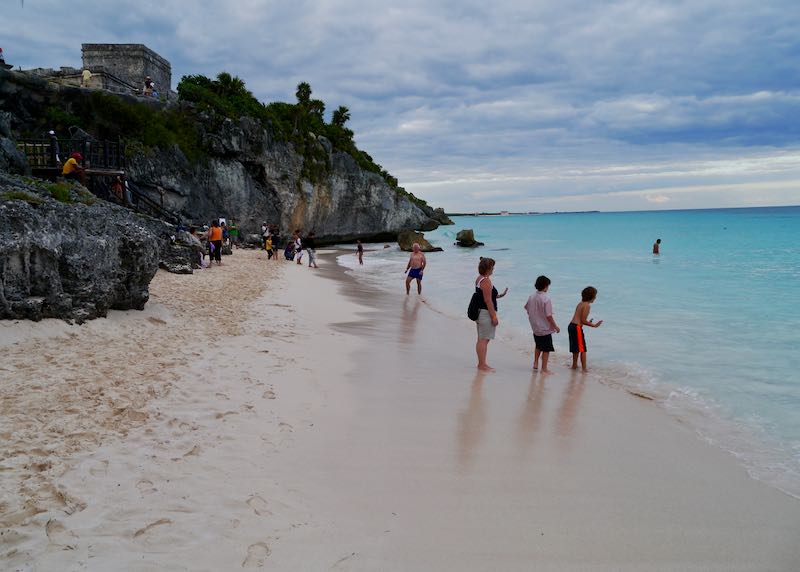
    Tulum beach.

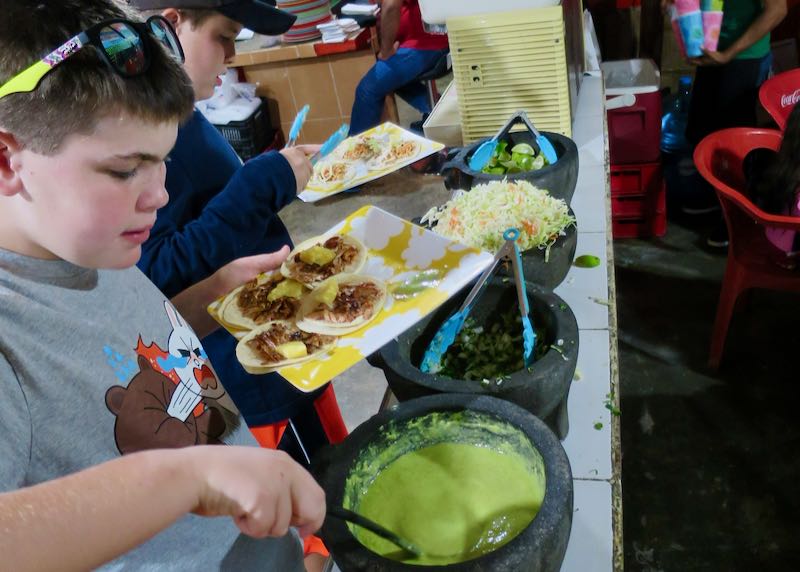
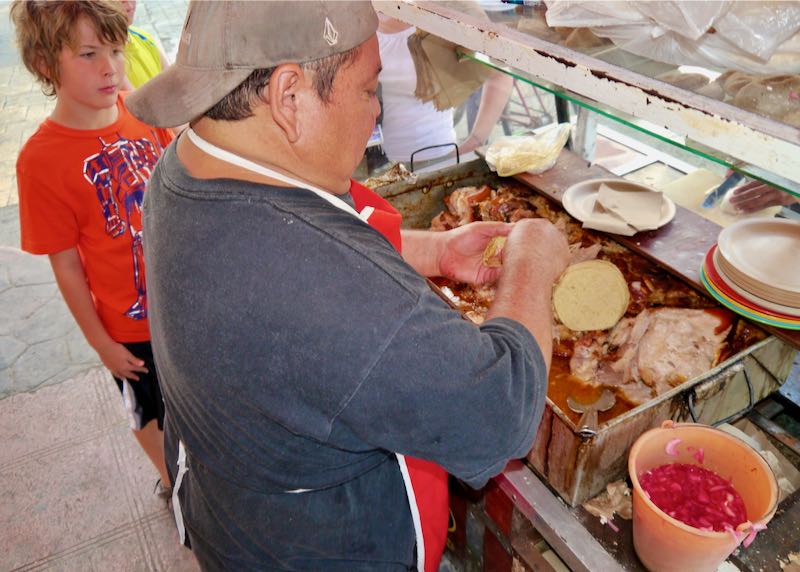
    Tacos

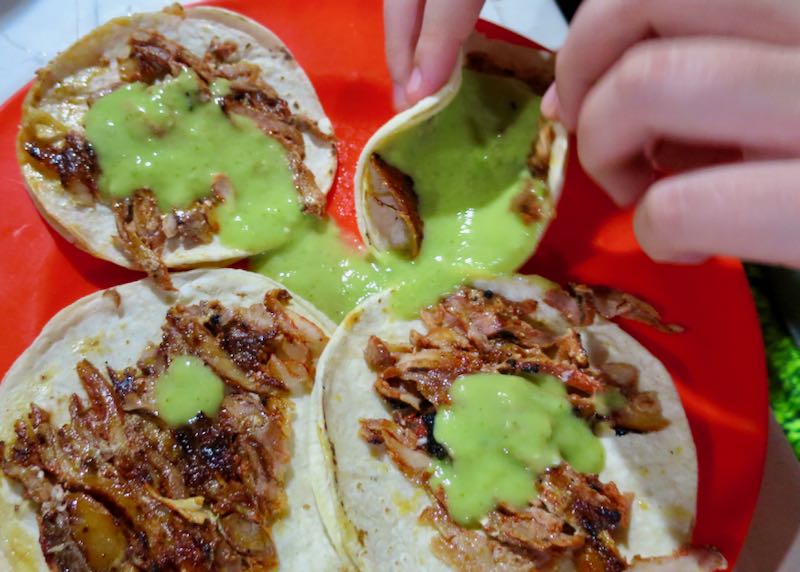
    Tacos.

    Tacos.

    The Pueblo

    The Pueblo.

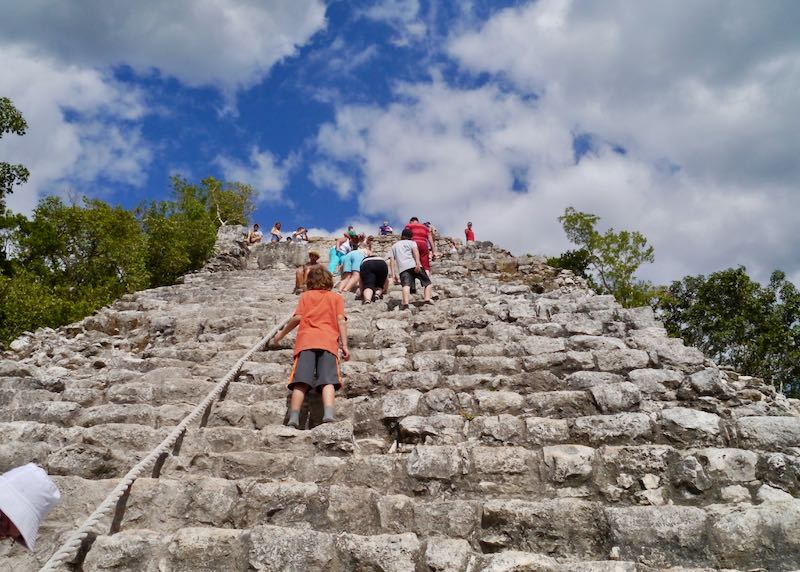
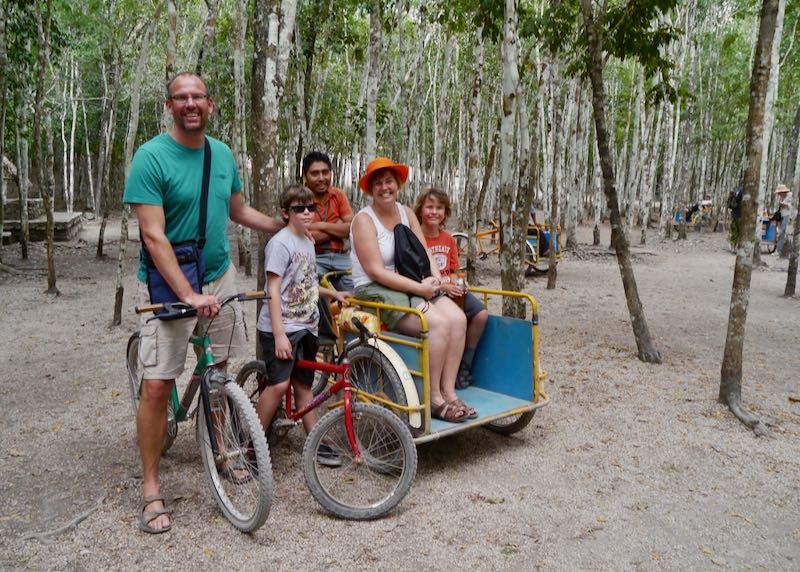
    Coba near Tulum.

    Coba near Tulum.

    Coba.

    Coba.

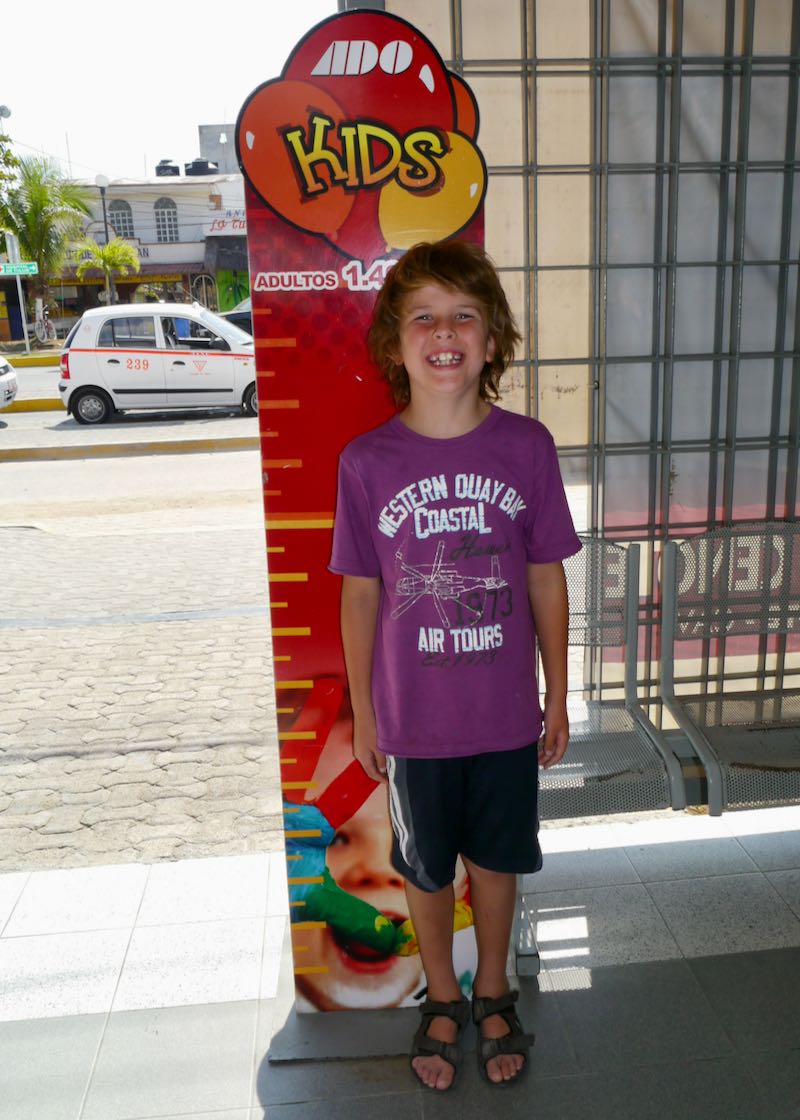
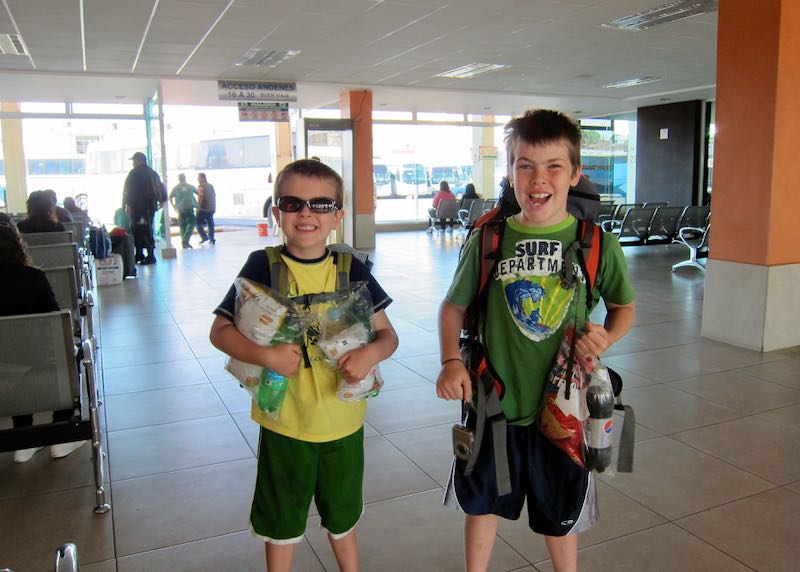
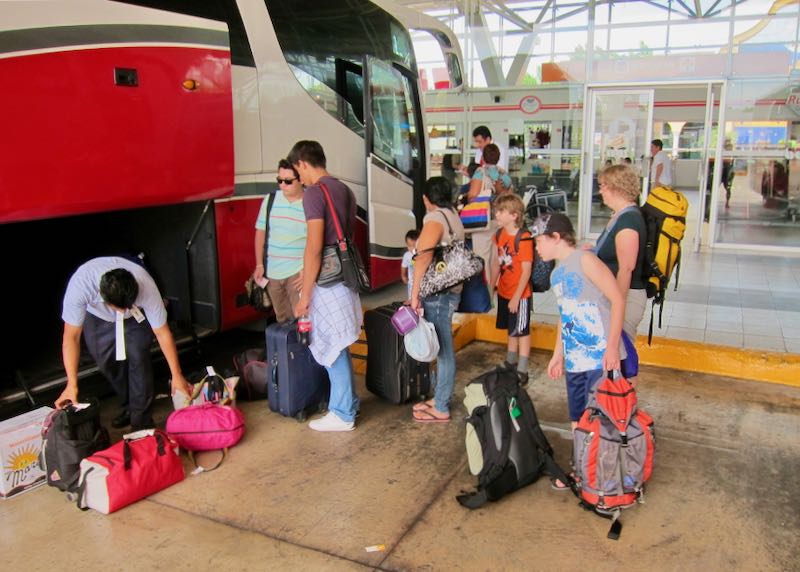
    Bus with kids.

    Tulum bus station. Over a certain height you pay an adult fare on the bus. Your age doesn’t matter.

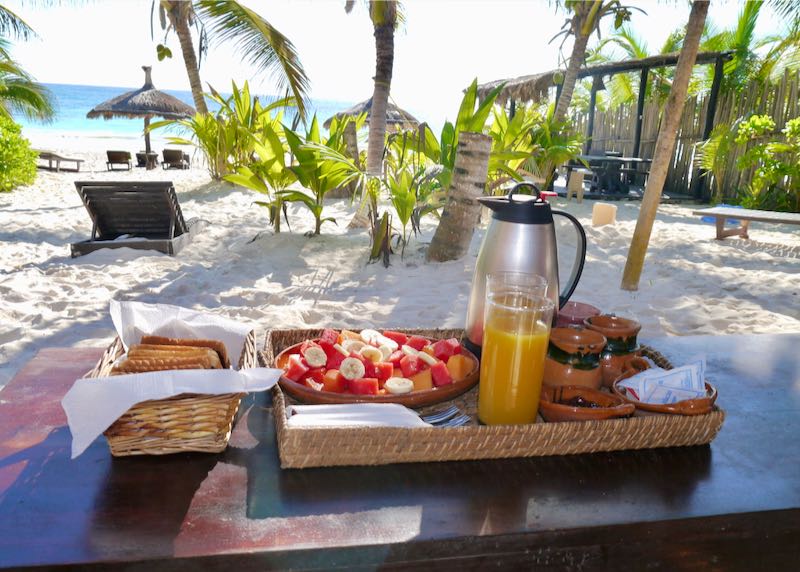
    Breakfast.

    Breakfast on the Tulum beach.

    Tulum beach.

    Tulum beach.

    Cooking course in Tulum.

    Cooking course in Tulum.

    Cenote near Tulum

    Cenote near Tulum.

    Bikes in Tulum.

    Returning our bikes then heading for the bus.

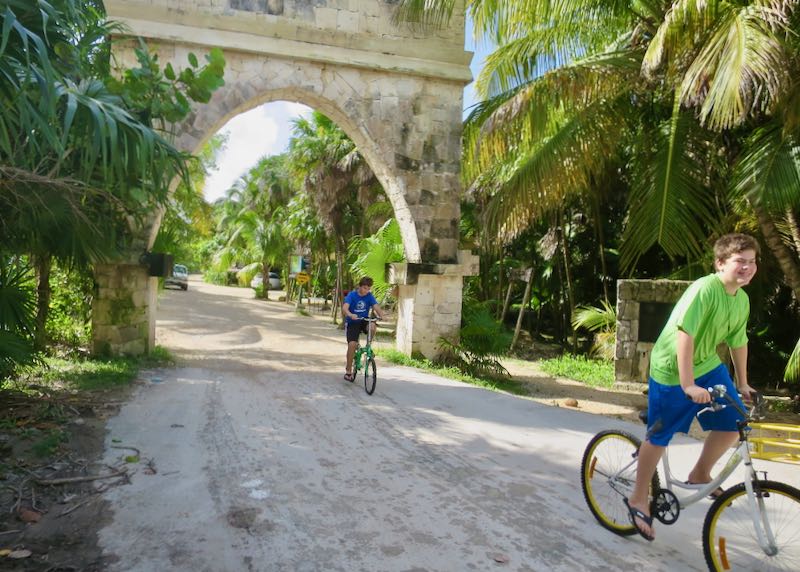
    Biking Tulum beach.

    Biking along the beach road in Tulum.

    Snacks for the bus to Tulum.

    Snacks for the bus to Tulum.

    2. Isla Mujeres

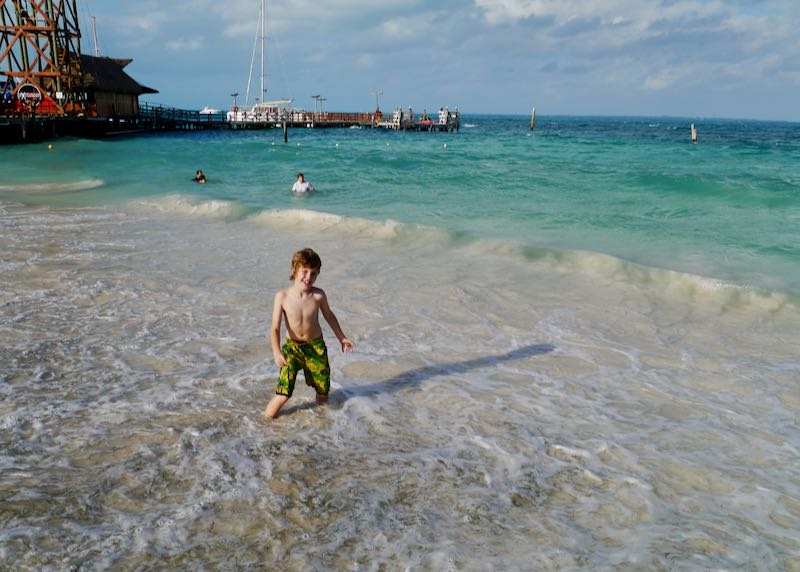
    Playa Norte (North Beach) is the most kid-friendly beach in Mexico. Soft sand, gentle waves, and clear shallow water make for an idyllic setting. There are good restaurants spread along a pedestrian-only avenue in the lively (but not crazy) main town. Most locals and tourists get around the island by golf cart.

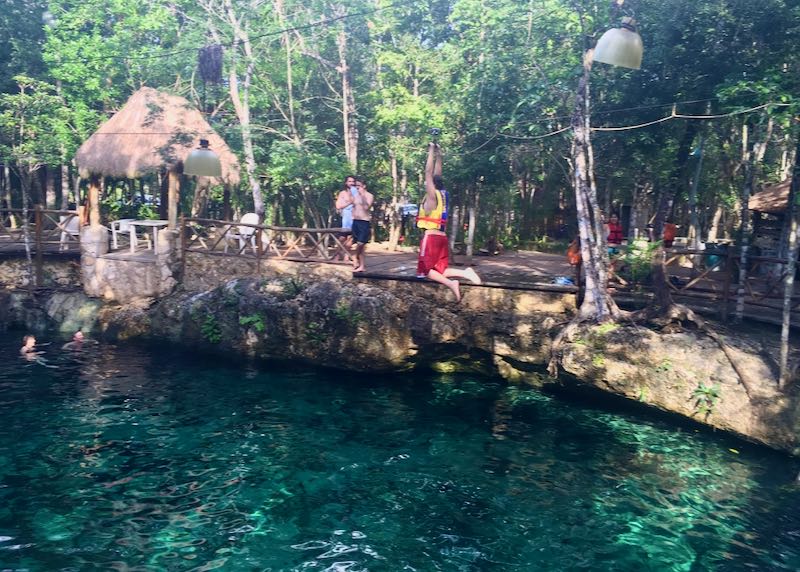
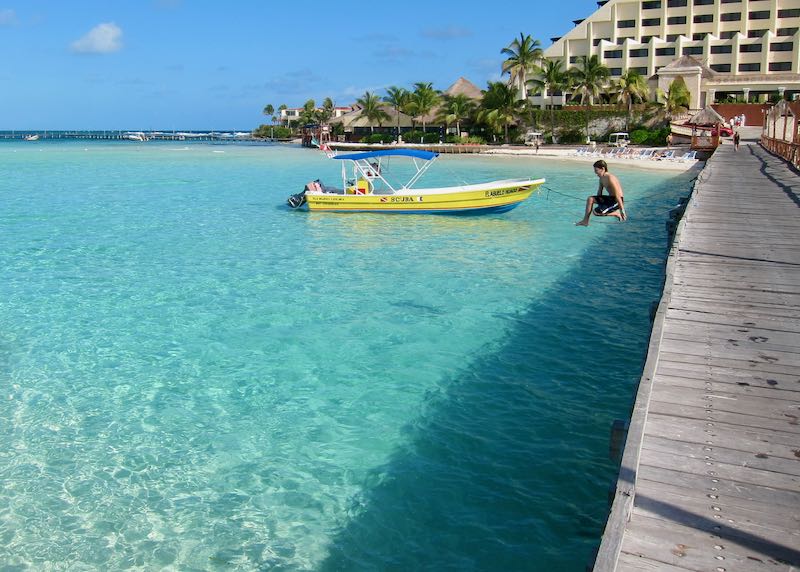
    Jumping from a bridge on Isla Mujeres.

    Jumping from a bridge on Isla Mujeres. (There’s good snorkeling beneath the bridge.)

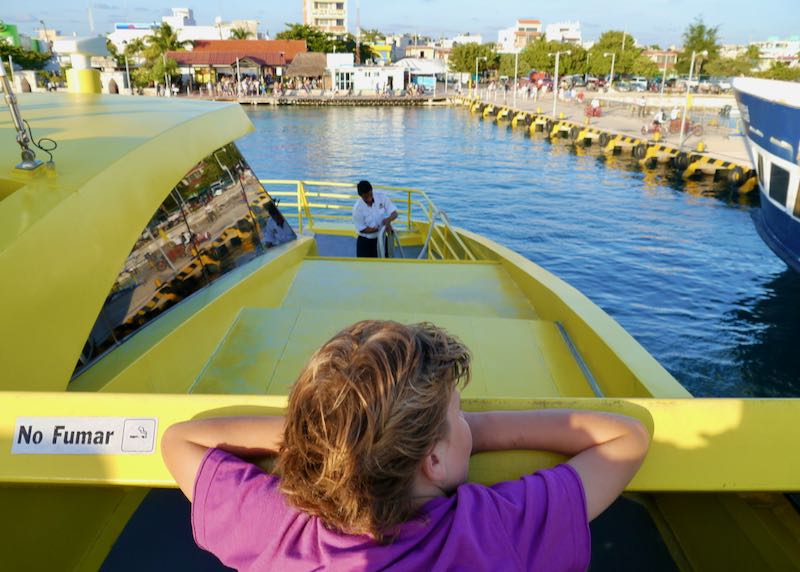
    Ferry to Isla Mujeres.

    Arriving in Isla Mujeres on the ferry from Cancun.

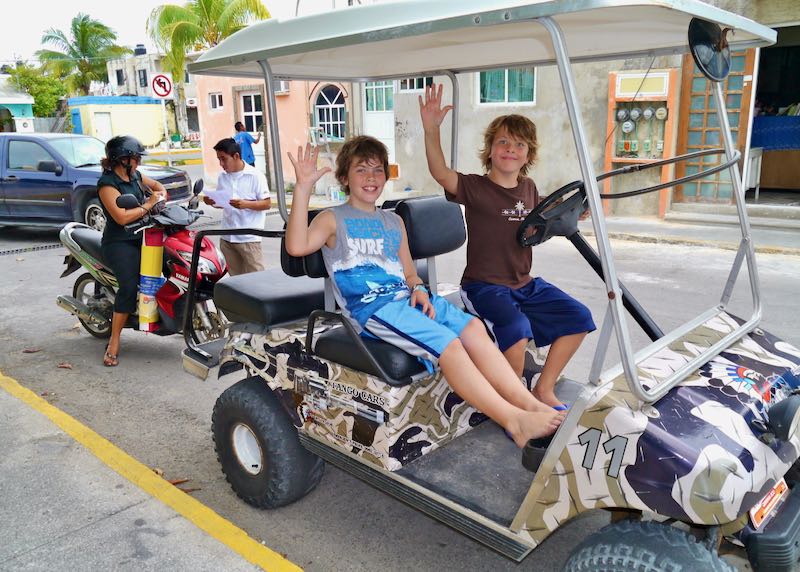
    Getting around by golf car in Isla Mujeres.

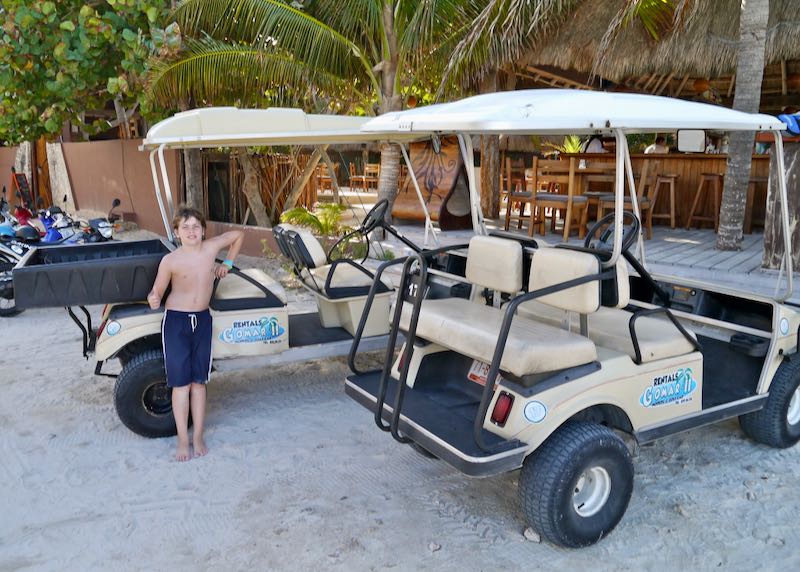
    Golf carts are the main form of transportation on Isla Mujeres.

    Tacos in Isla Mujeres.

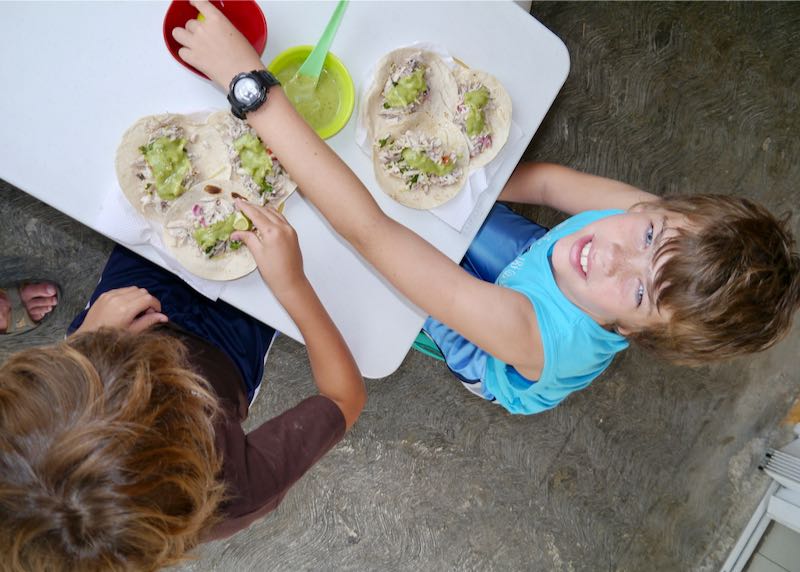
    Tacos in Isla Mujeres.

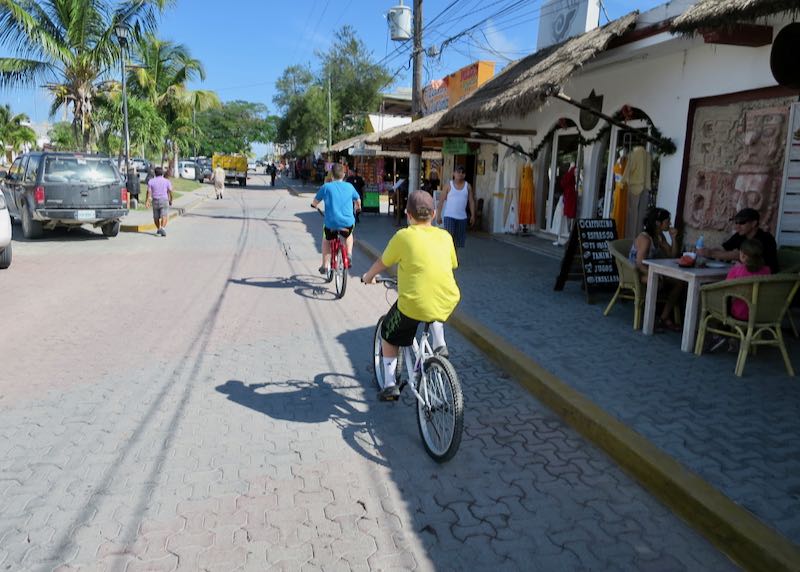
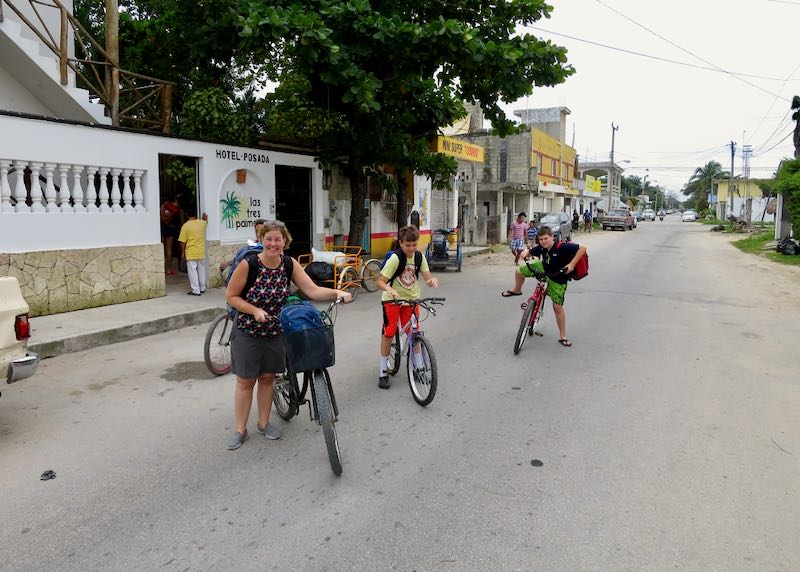
    Biking in Isla Mujeres.

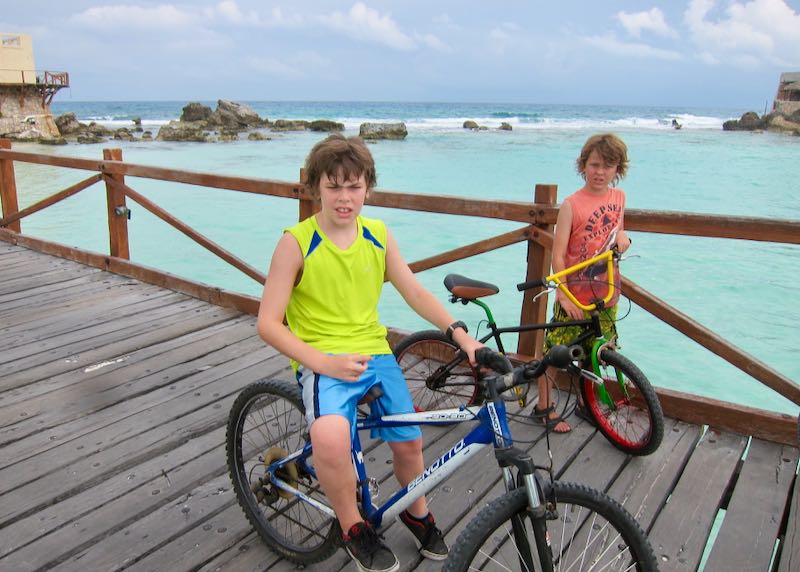
    Biking in Isla Mujeres.

    North Beach in Isla Mujeres.

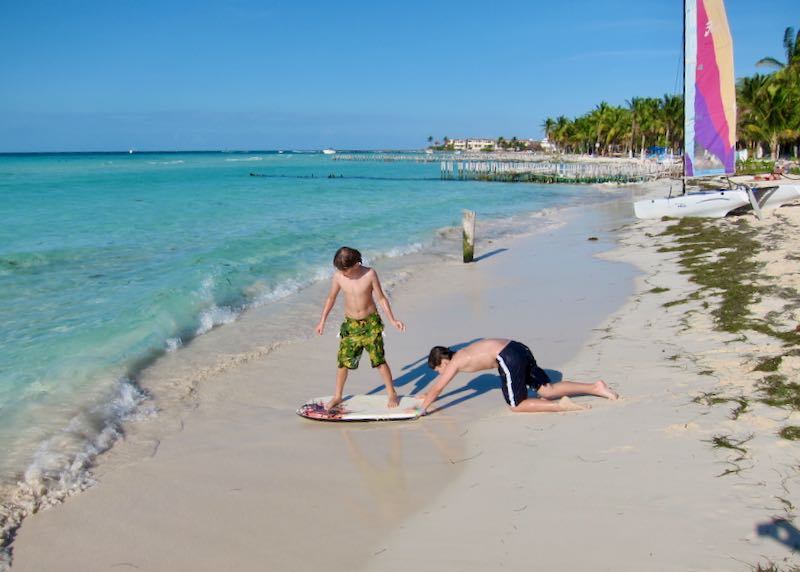
    North Beach in Isla Mujeres.

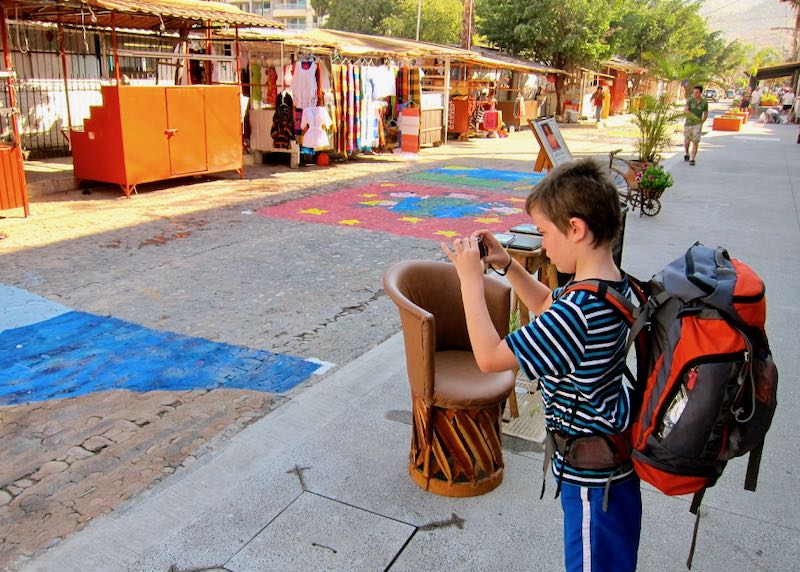
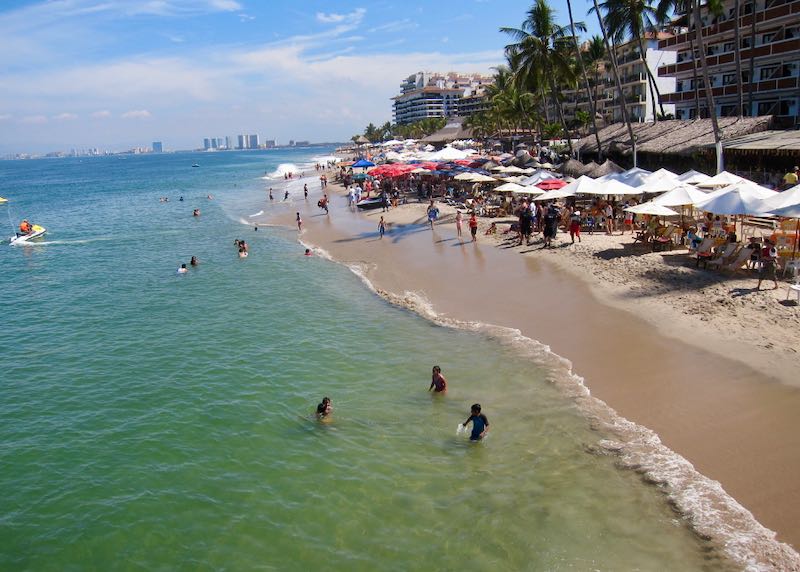
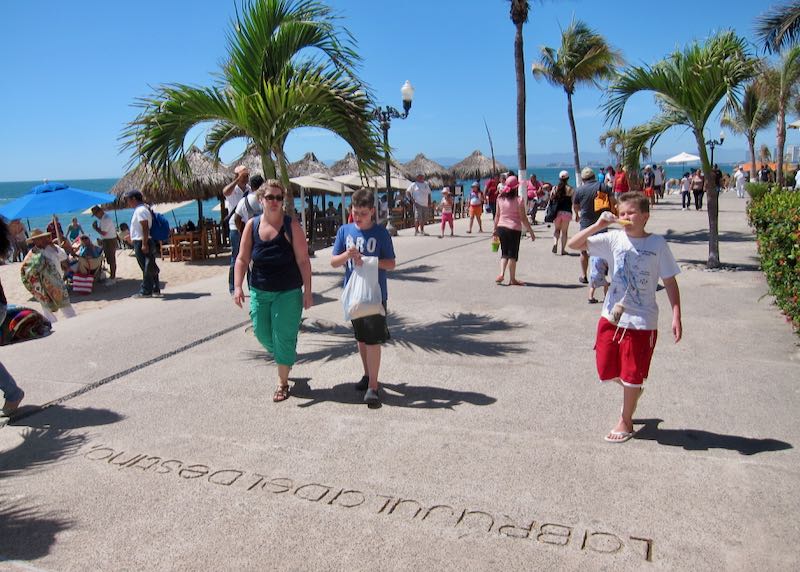
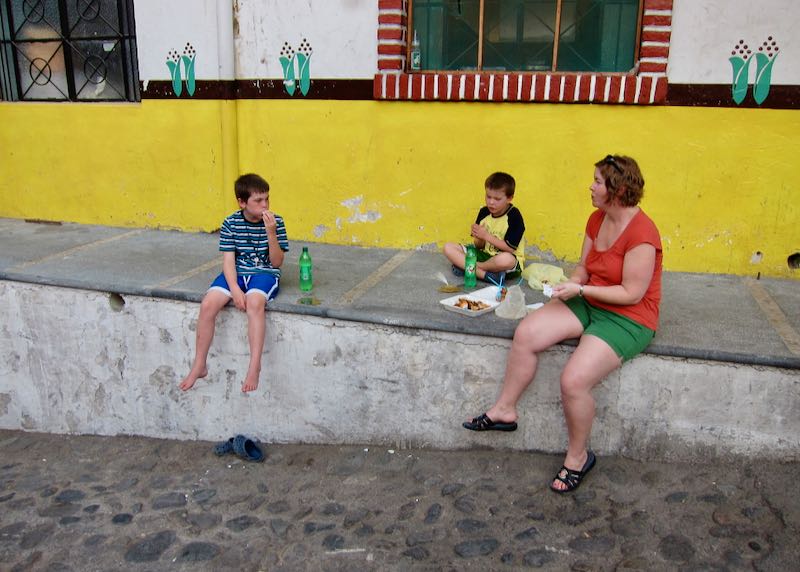
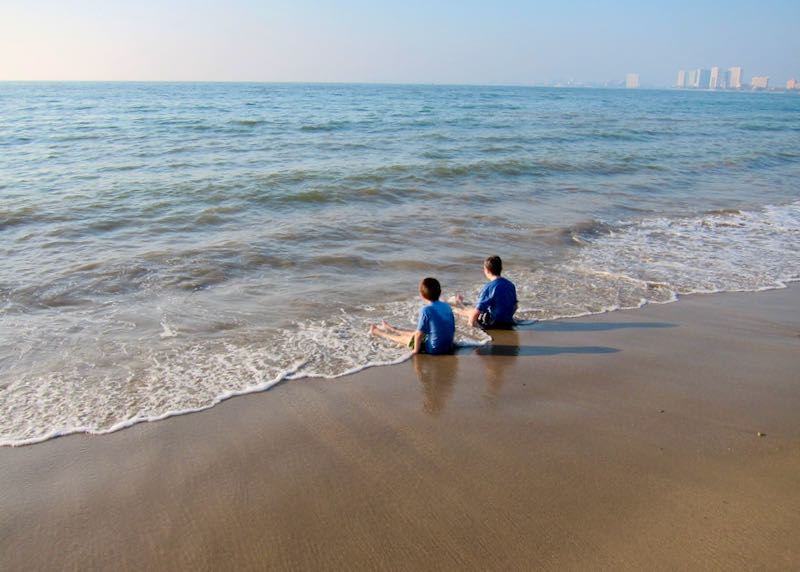
    3. Puerto Vallarta

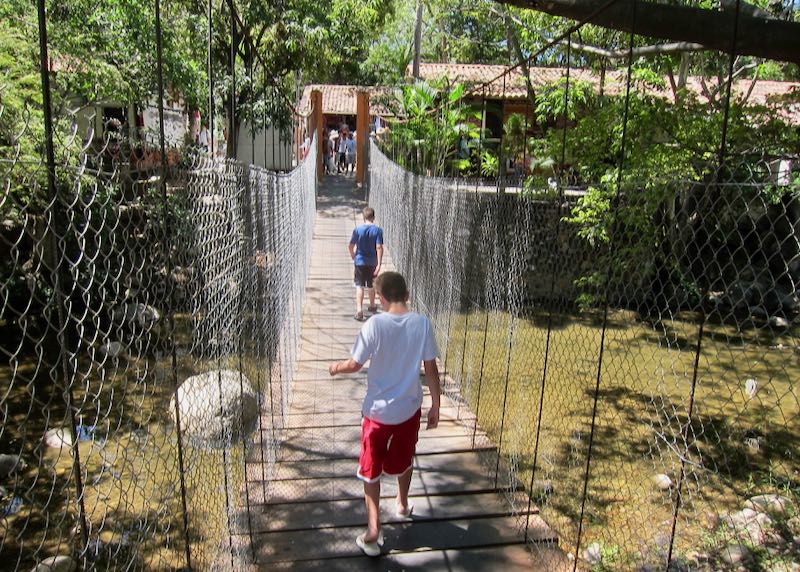
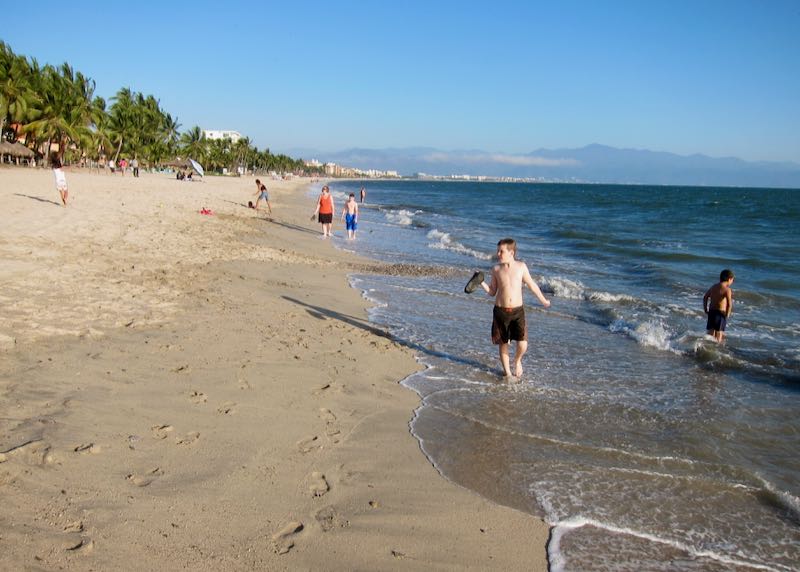
    Very cool city with a mix of touristy fun and authentic Mexican culture. Several smaller beach towns are within an hour by car or boat: Yelapa, Mismaloya, Bucerias, and Sayulita. All great places to stay or visit.

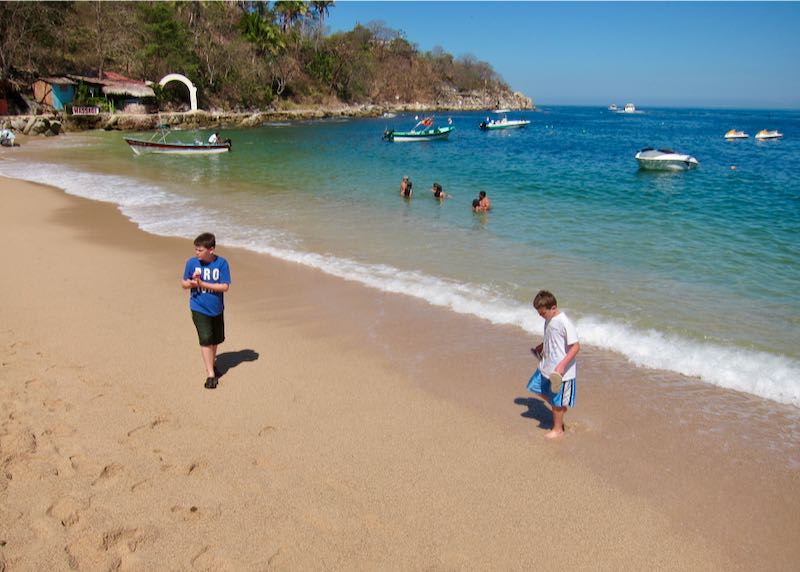
    Puerto Vallarta.

    Puerto Vallarta.

    Puerto Vallarta

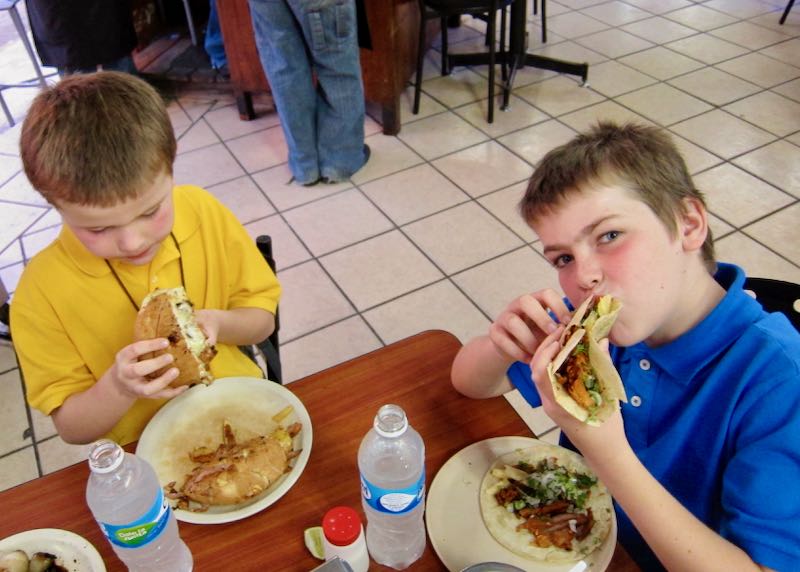
    Tacos and Torta in Puerto Vallarta.

    Puerto Vallarta Museum.

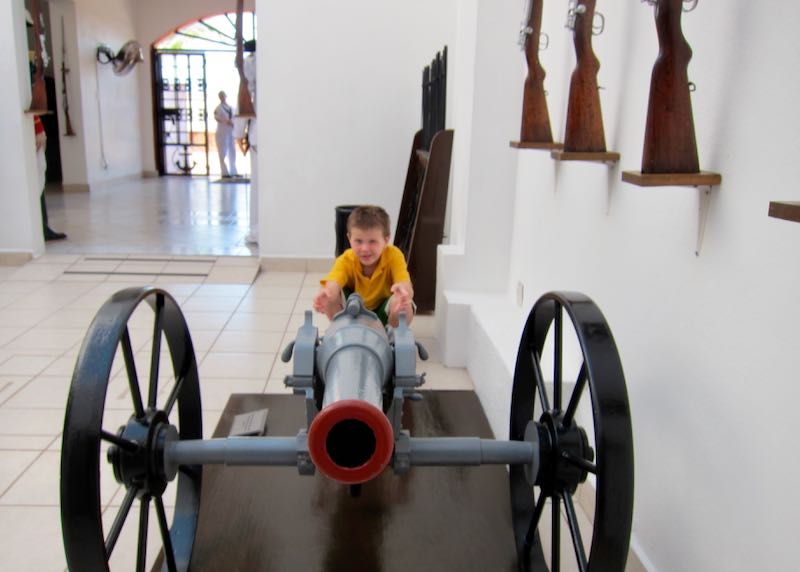
    Naval Museum in Puerto Vallarta.

    Puerto Vallarta.

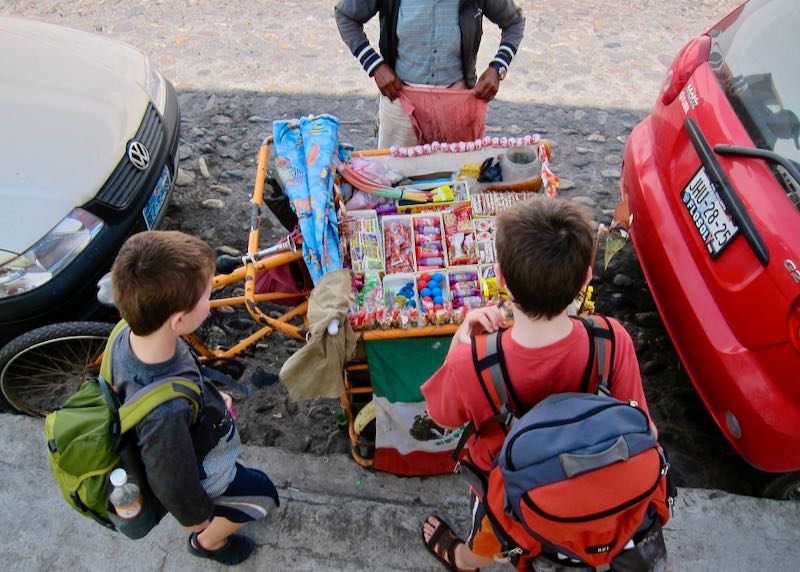
    Treats in Puerto Vallarta.

    Puerto Vallarta

    Puerto Vallarta beach.

    Puerto Vallarta

    The Malecon in Puerto Vallarta.

    Puerto Vallarta

    Puerto Vallarta

    Puerto Vallarta

    Puerto Vallarta beach.

    Puerto Vallarta

    Puerto Vallarta

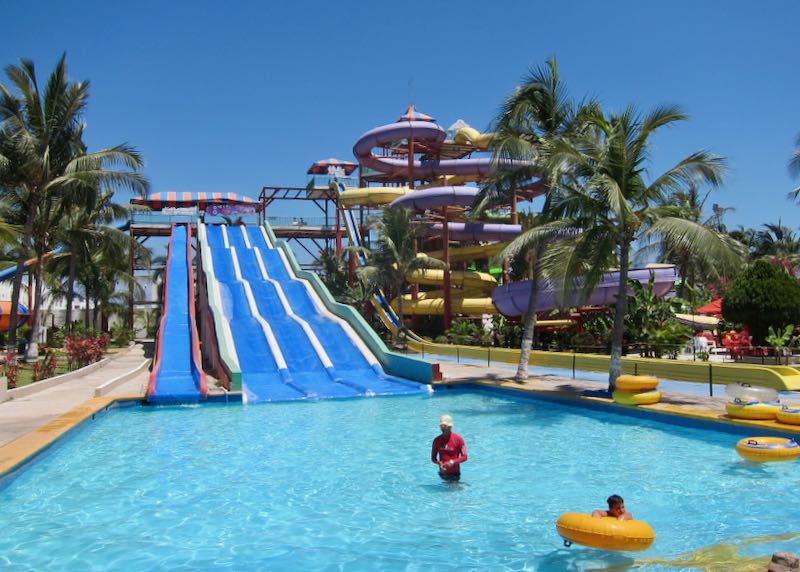
    Water park near Puerto Vallarta.

    Water park near Puerto Vallarta.

    Bucerias with young kids.

    Bucerias.

    Sayulita.

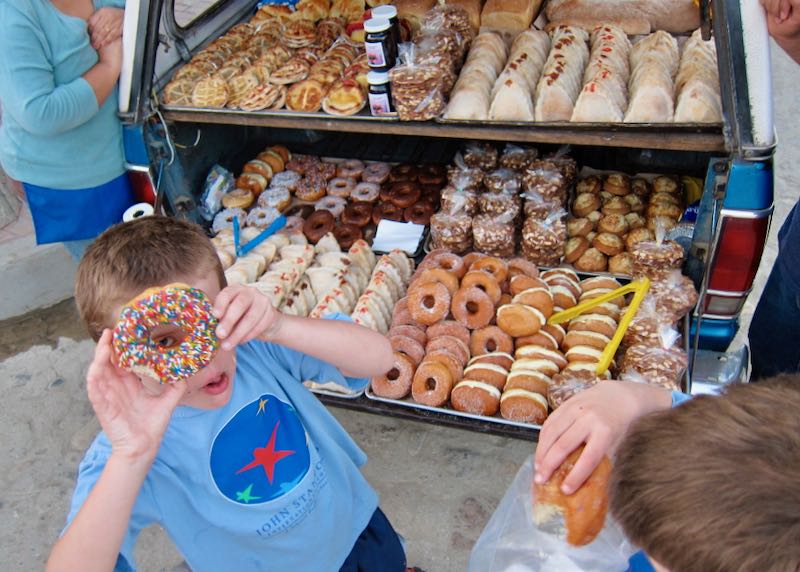
    A donut truck in Sayulita.

    Sayulita.

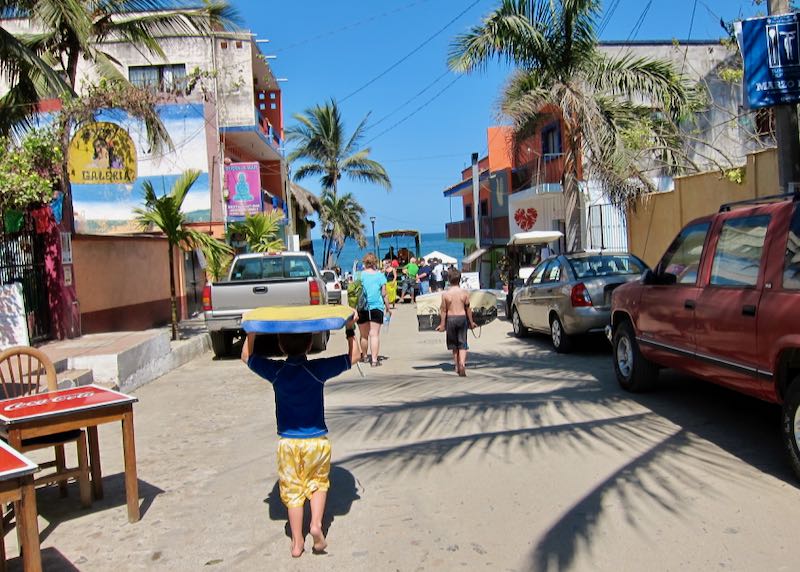
    Heading for the beach in Sayulita.

    Kids in Sayulita.

    Sayulita beach.

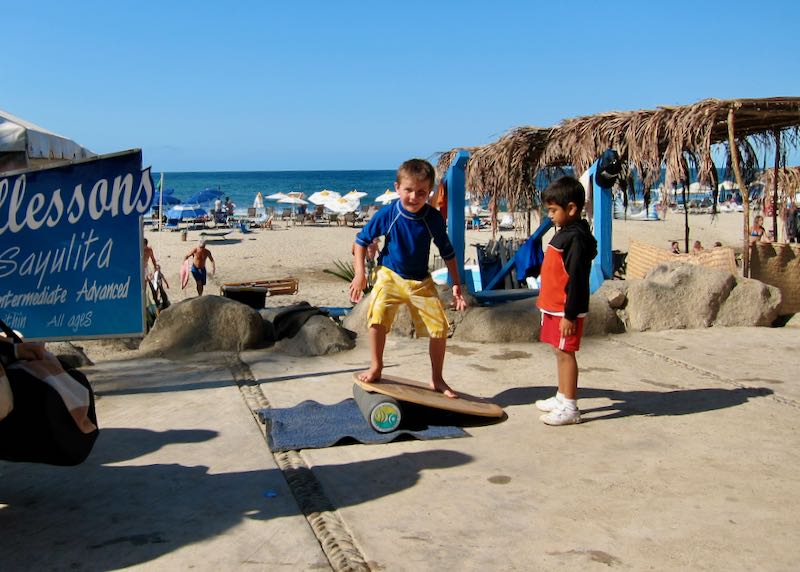
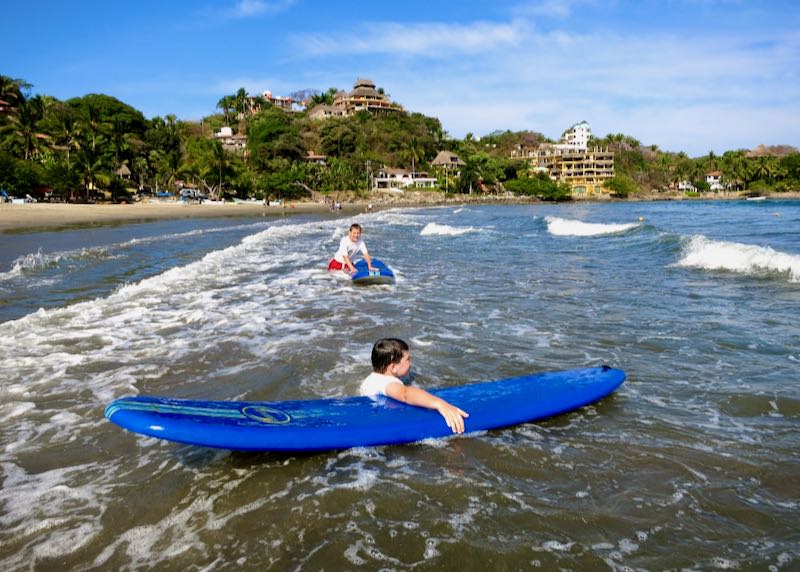
    Surf lessons in Sayulita.

    Surf lessons in Sayulita.

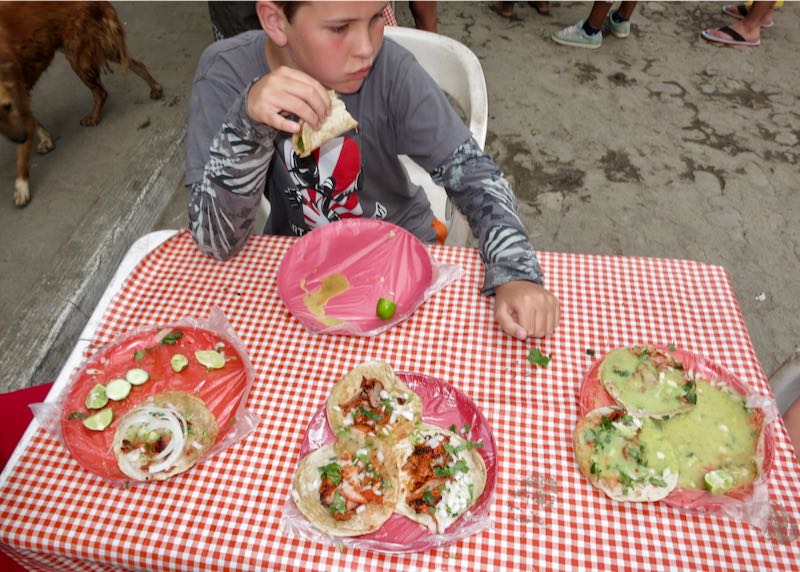
    Sayulita tacos.

    Tacos in Sayulita.

    Sayulita beach.

    Sayulita.

    Sayulita beach.

    Sayulita.

    Puerto Vallarta

    Waiting for the bus near Sayulita.

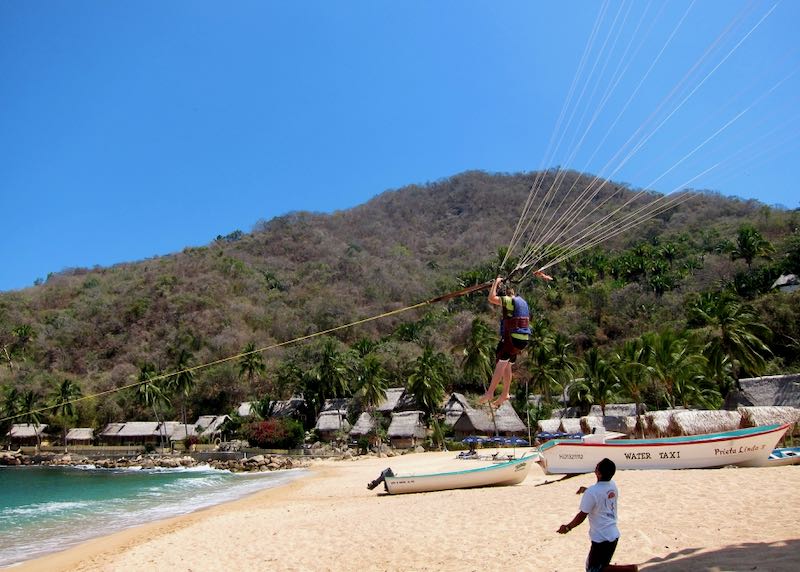
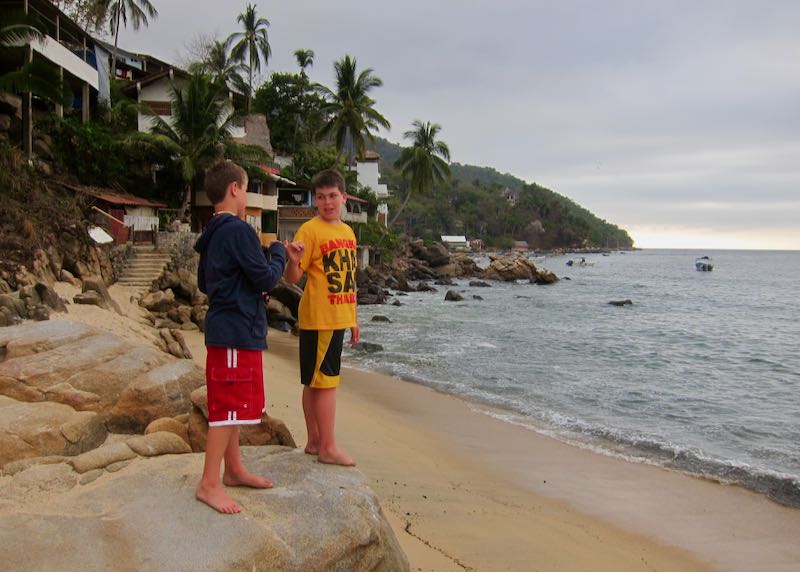
    Yelapa.

    Parasailing in Yelapa.

    Yelapa

    Yelapa

    Yelapa

    Yelapa

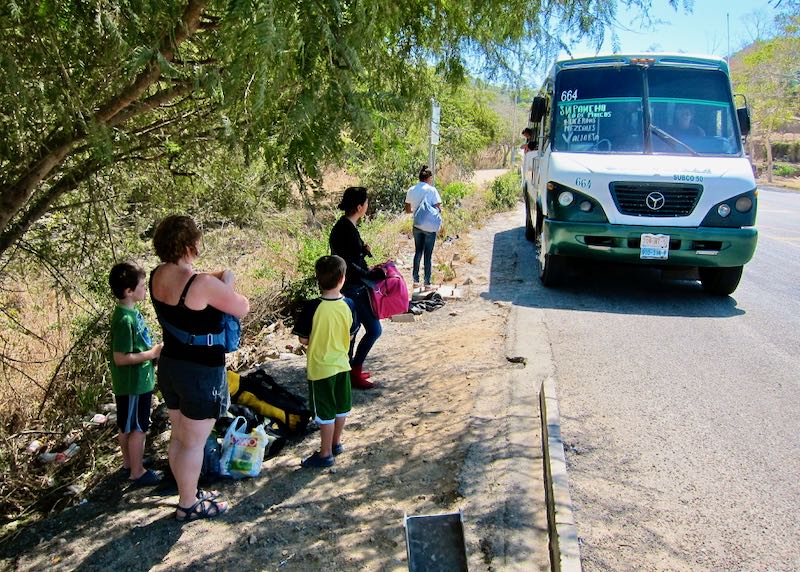
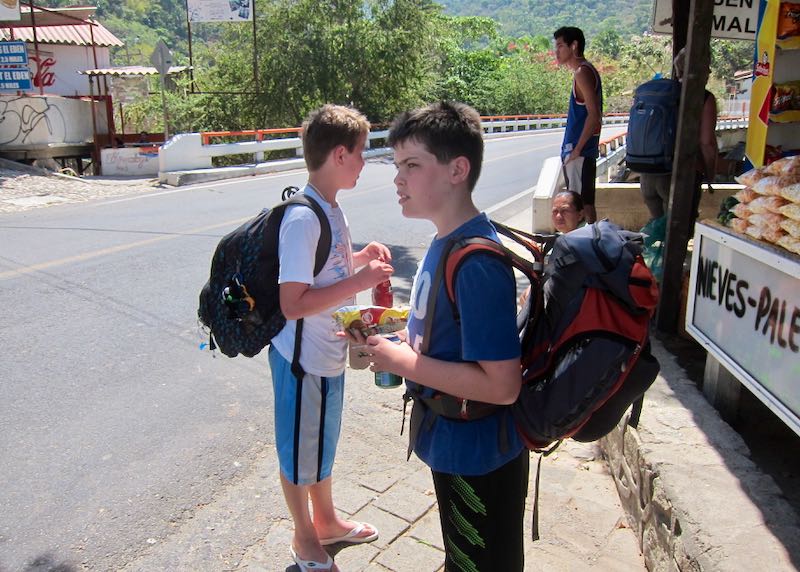
    Waiting for the bus.

    Waiting for the bus near Mismaloya.

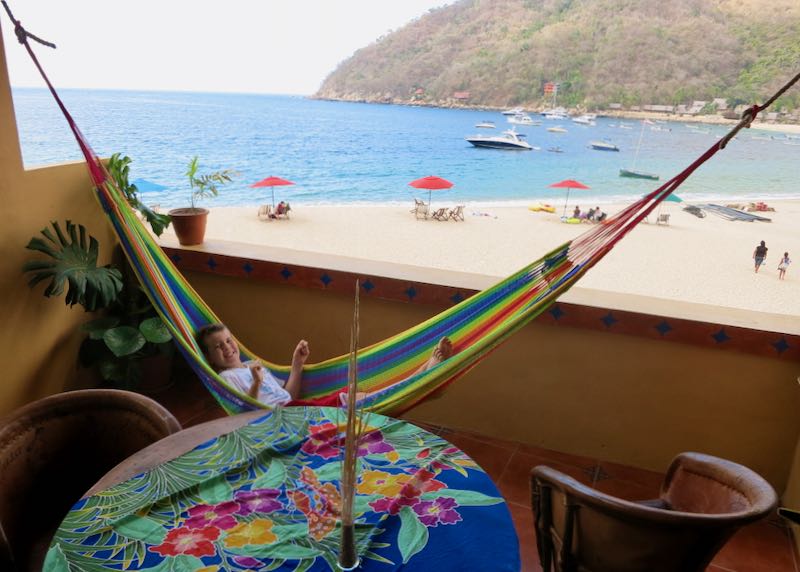
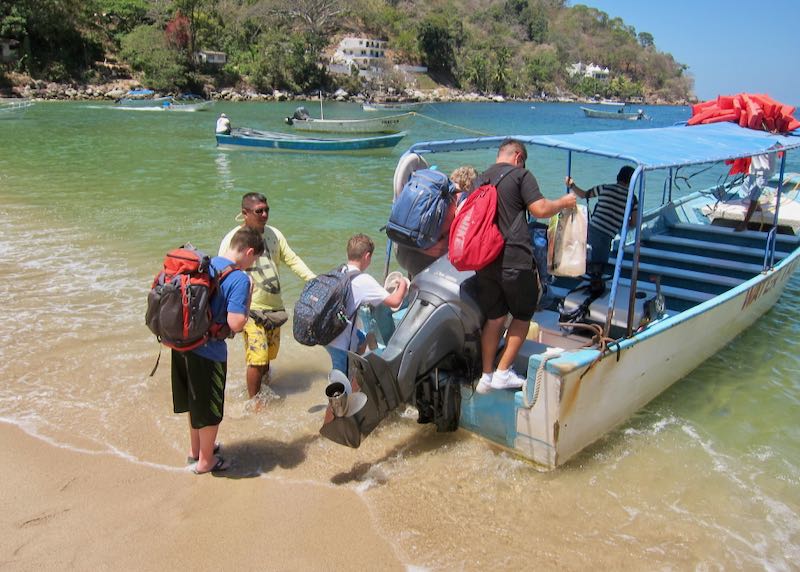
    Yelapa boat.

    Taking the boat from Mismaloya to Yelapa.

    Mismaloya.

    Mismaloya.

    Mismaloya.

    Mismaloya.

    4. Cancun

    Lots of big family-friendly resorts with water slides, kids clubs, and huge pools. The area itself doesn’t have a lot of character but the beaches are great and there are good day trips within easy reach.

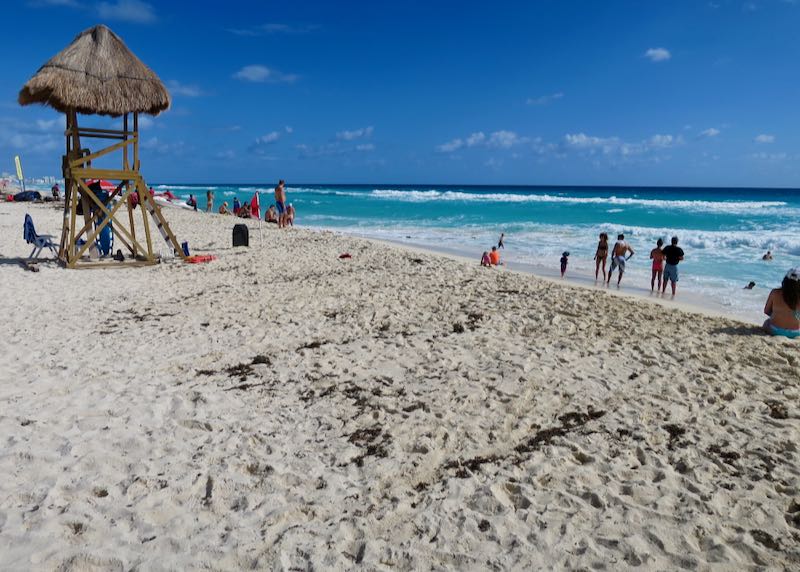
    Cancun beach.

    Cancun.

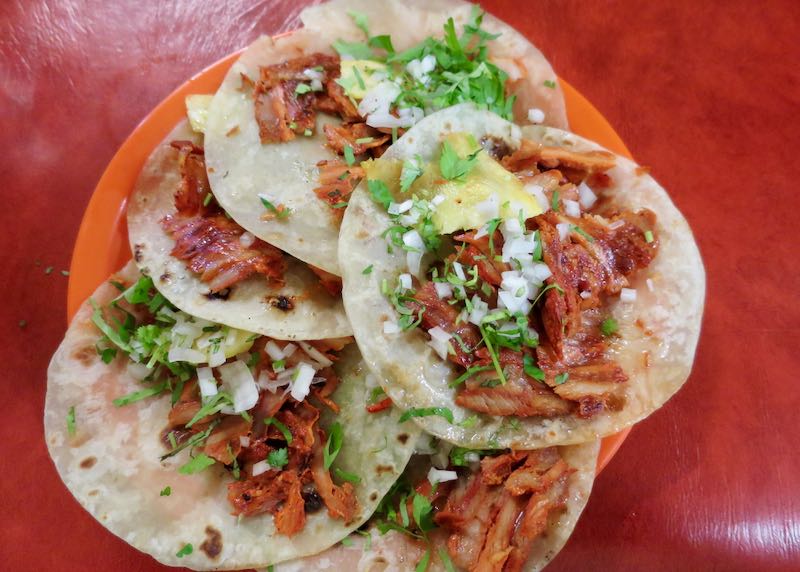
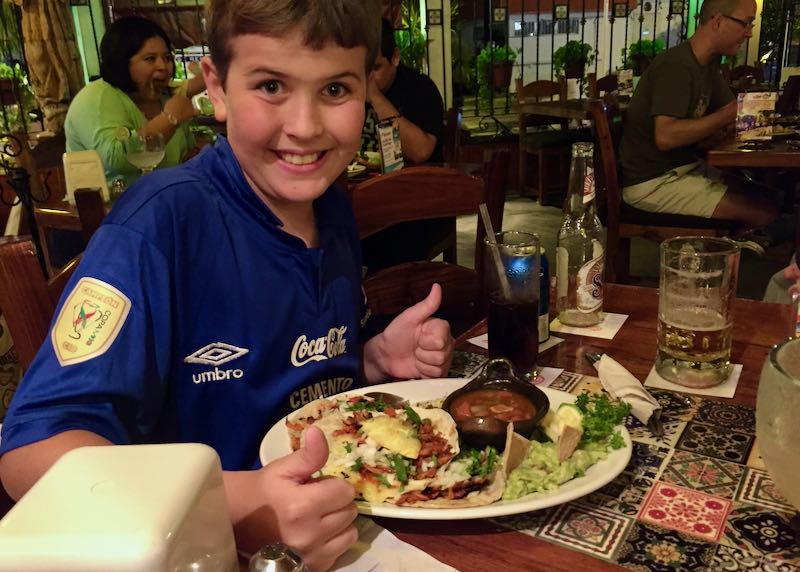
    Tacos in Cancun.

    Tacos in Cancun.

    Shopping in Cancun.

    Shopping in Cancun.

    Cancun night market.

    Cancun night market.

    Shopping in downtown Cancun.

    Shopping in downtown Cancun.

    Cancun night market.

    Cancun night market.

    Cenote near Cancun.

    Cenote near Cancun.

    Chichen Itza.

    Chichen Itza near Cancun.

    Street food in Vallodolid near Cancun.

    Street food in Vallodolid – an easy day trip from Cancun.

    Cancun hotel.

    At the hotel in Cancun.

    Cancun beach.

    Cancun beach.

    Cancun bus station.

    Cancun bus station.

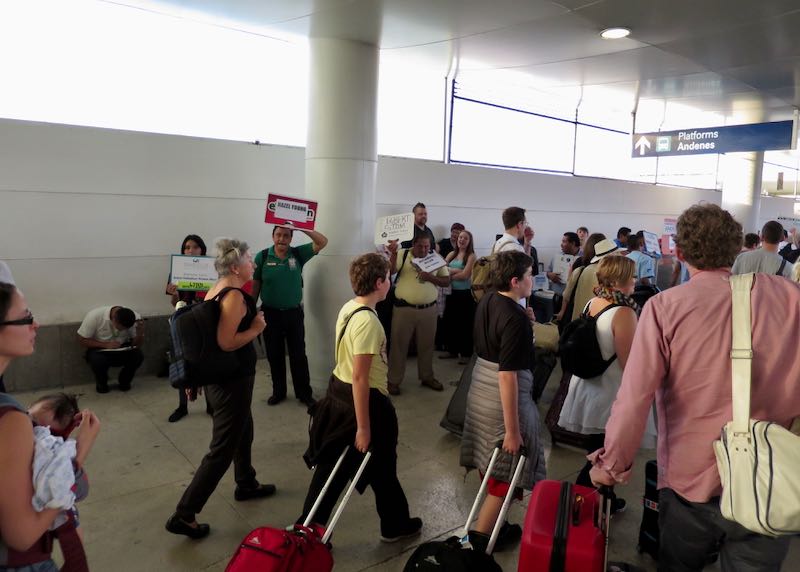
    Arriving at the Cancun airport.

    The Cancun airport.

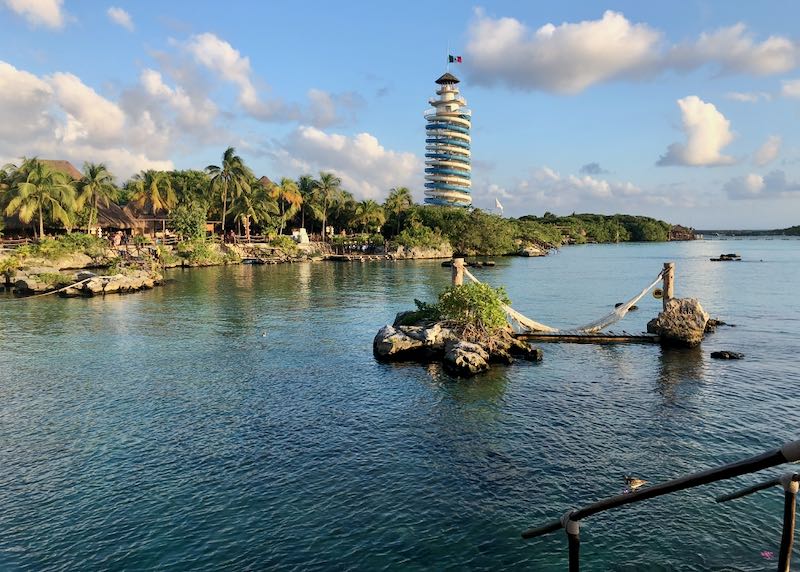
    Xel Ha water park near Cancun.

    Xel Ha water park near Cancun.

    Cancun.

    Cancun.

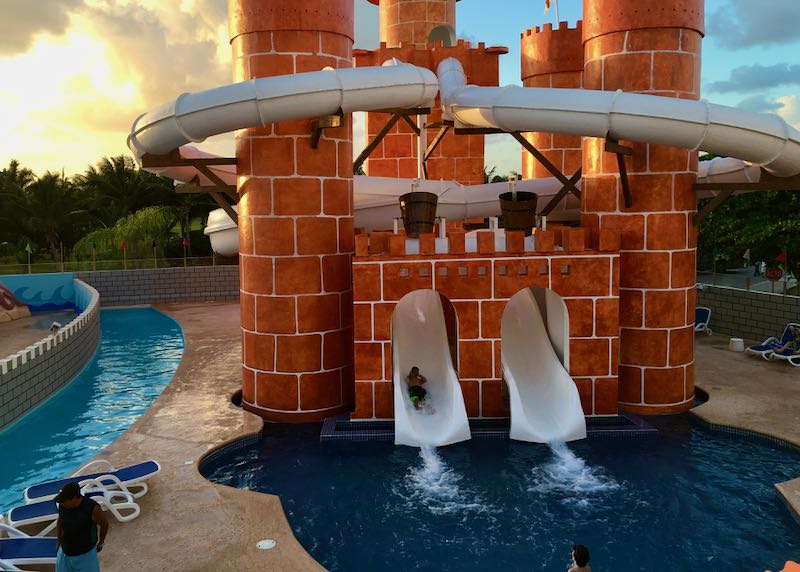
    Cancun hotel with water slides.

    Cancun.

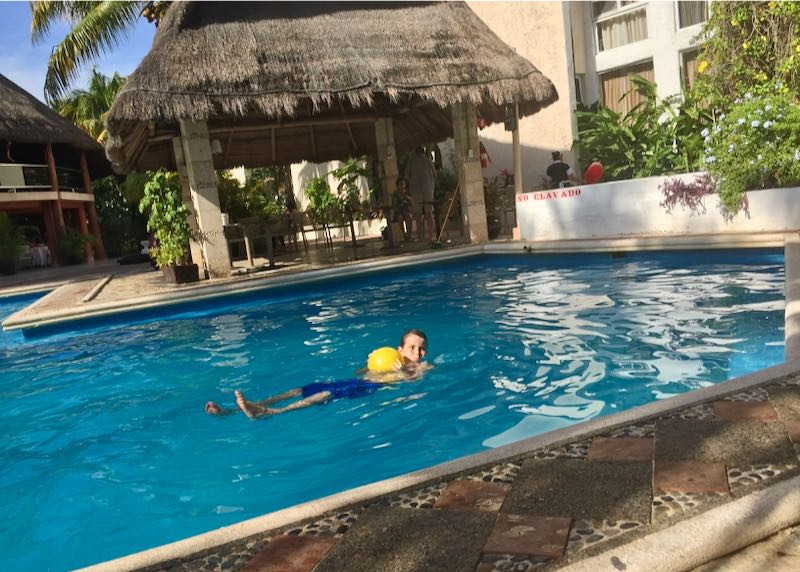
    Cancun hotel with pool.

    Cancun.

    5. Los Cabos

    A fun destination with great resorts and lots of charm, fantastic food, and local-culture if you seek them out.

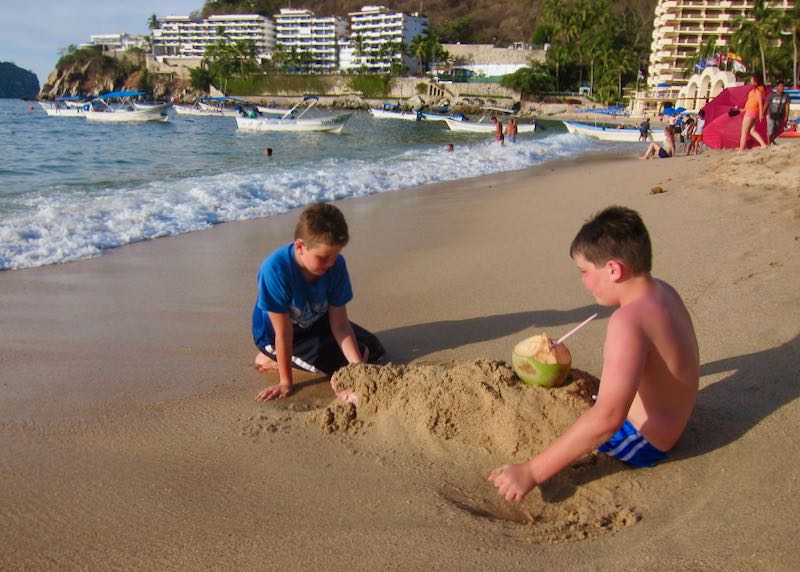
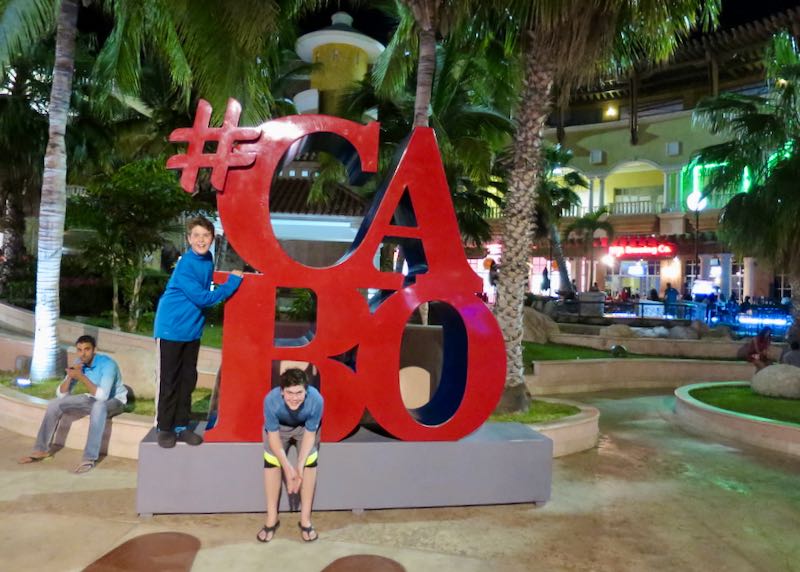
    Los Cabos with kids.

    Downtown Cabo San Lucas.

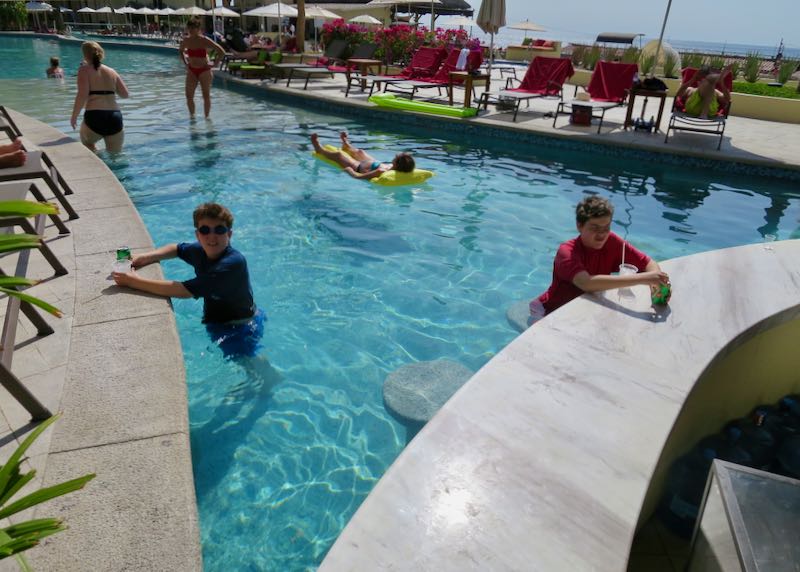
    Resort in Cabo San Lucas.

    Cabo San Lucas Beach.

    Cabo San Lucas Beach.

    Fresh fruit in Los Cabos.

    Tacos in Los Cabos.

    Tacos in Los Cabos.

    Tacos in Los Cabos.

    Restaurant in San Jose del Cabo.

    Restaurant in San José del Cabo.

    At the hotel in Los Cabos.

    At the hotel in Los Cabos.

    At the hotel in Los Cabos.

    At the hotel in Los Cabos.

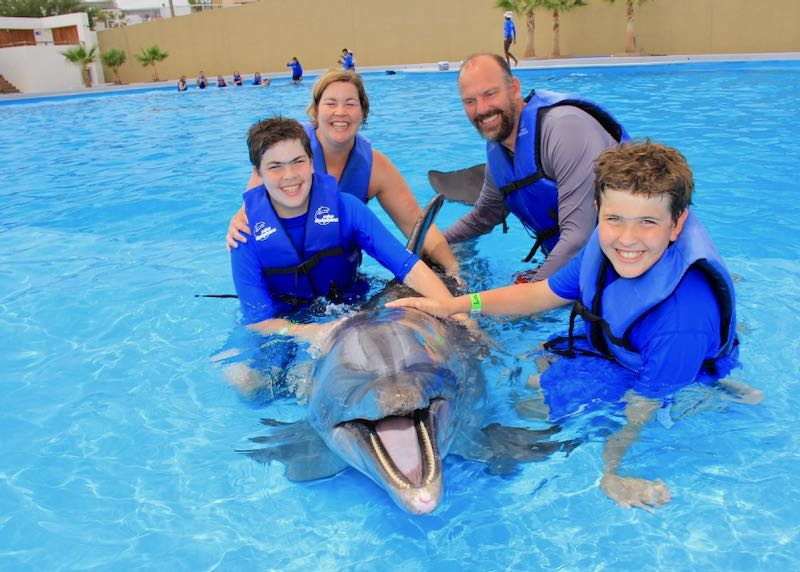
    Swimming with dolphins in Los Cabos.

    Swimming with dolphins in Los Cabos.

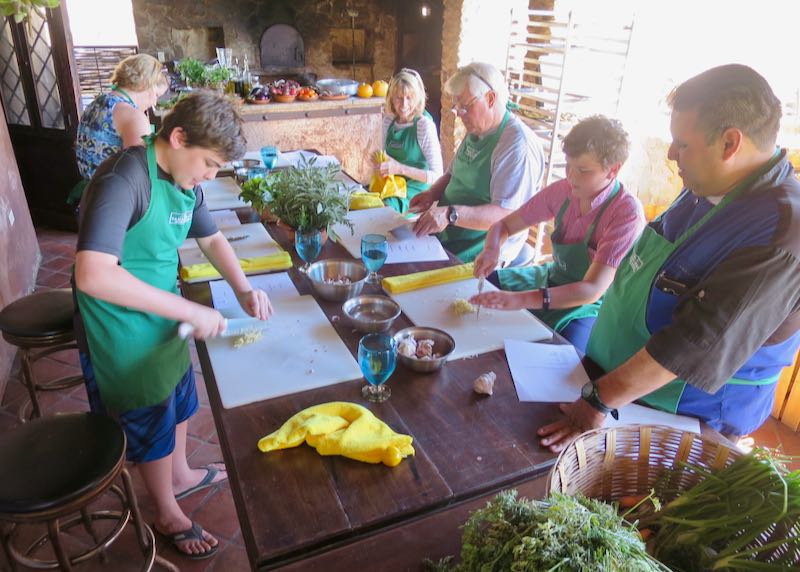
    Cooking course in Los Cabos.

    Cooking course in San José del Cabo.

    Cooking course in San José del Cabo.

    Cooking course in San José del Cabo.

    Read More

    Zacatecas Travel Guide

    Mexico › Zacatecas
    Updated: March 3, 2022

    See Also

    Zacatecas is one of our favorite historic Mexican cities, a colonial gem crammed with gorgeous old buildings, churches, and museums. It’s setting in a valley between two hills is spectacular, and there are also tours of the old silver mines and a cable car ride high over the rooftops. Wandering its cobbled streets and leafy plazas, it’s easy to feel transported back to classical Spain.

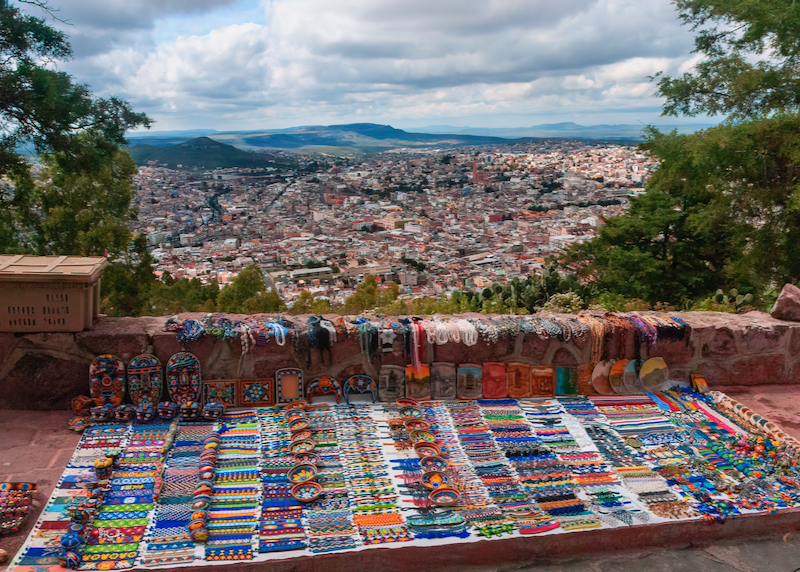
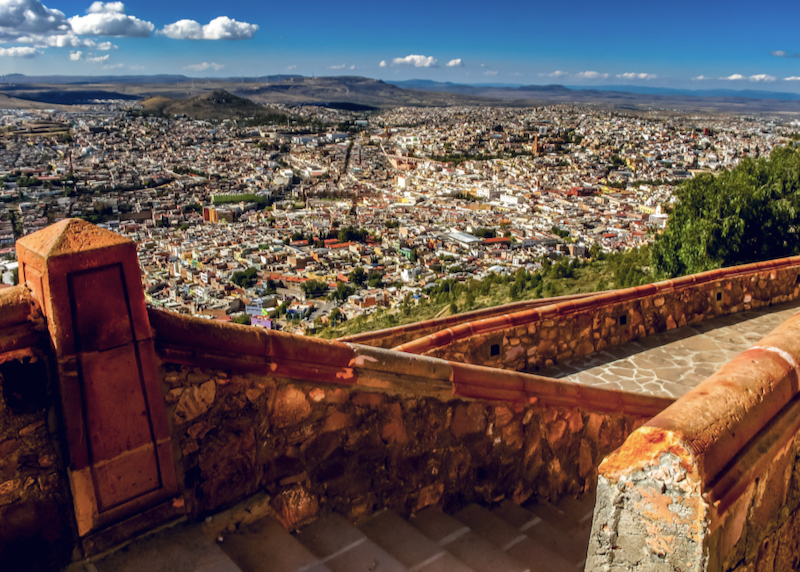
    View from Cerro De La Buffa mountain

    View from Cerro De La Buffa mountain, with beaded folk art and jewelry for sale and a view of the city of Zacatecas below, a UNESCO World Heritage Site.

    Frequently Asked Questions about Zacatecas

    Where is Zacatecas?

    Zacatecas is a city in the central region of Mexico known as the Bajío and is the capital of the eponymous state of Zacatecas. Zacatecas lies around 600 km northwest of Mexico City, 300 km northeast of Guadalajara, and 560 km southwest of Monterrey.

    Non-stop flights to Zacatecas take 1 hour 25 minutes from Mexico City, 2 hours 20 minutes from Dallas, 2 hours 40 minutes from Tijuana, 2 hours 55 minutes from Los Angeles, and 3 hours 50 minutes from Chicago.

    How big is Zacatecas?

    Zacatecas has a greater metro population of almost 140,000. The city lies on the edge of the Sierra Madre Occidental and covers some 444 square kilometers.

    What is the history of Zacatecas?

    The indigenous Zacatecos mined silver and precious metals in the hills here long before the arrival of the Spanish, but it didn’t take long for the conquistadors to grasp the area’s potential. The modern city was initially founded as a Spanish mining camp in 1548, with the Zacatecos quickly subdued. For the next three hundred years, the silver mines of Zacatecas enriched the city, Mexico, and the Spanish Empire. During the Mexican Revolution in 1914, Zacatecas was the scene of fierce fighting when Pancho Villa’s División del Norte captured the city, completely annihilating the forces of Victoriano Huerta. Today Zacatecas is flourishing once more, its economy boosted by increasing trade between Mexico and the USA.

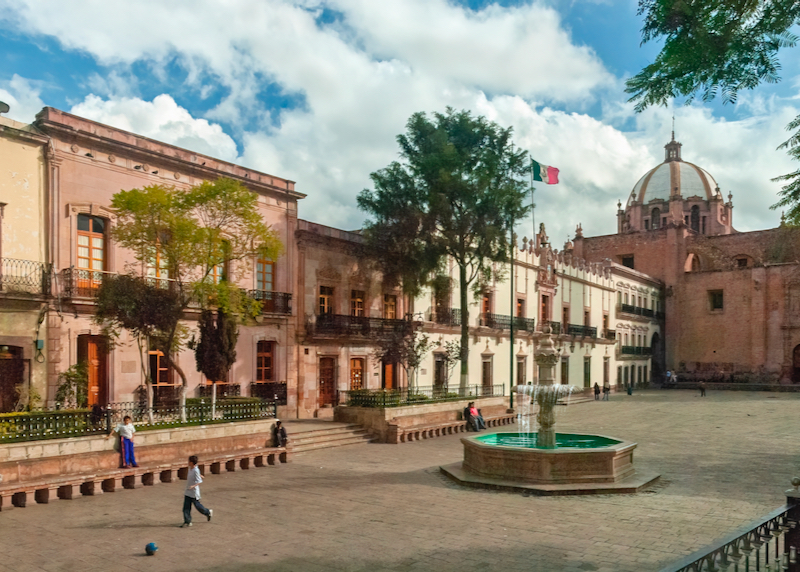
    Palace of the Governor

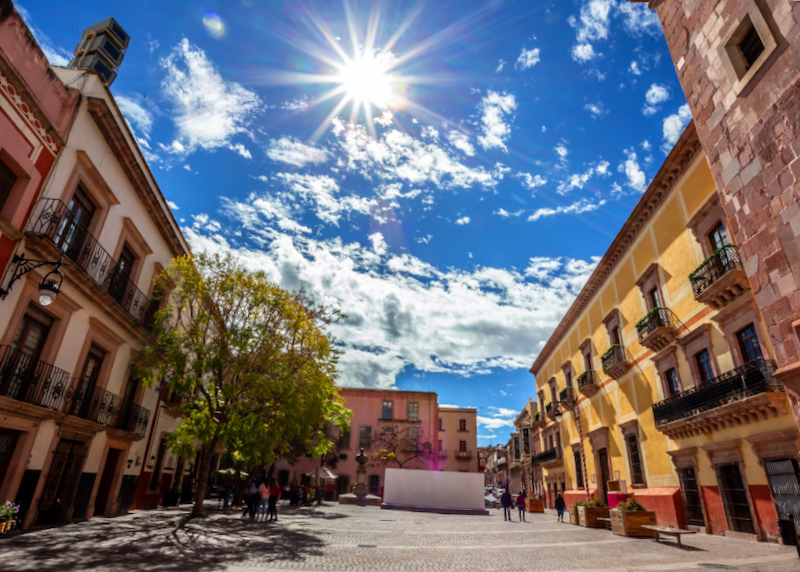
    A plaza downtown outside of the Palace of the Governor, with the Cathedral of Our Lady of the Assumption behind.

    How do I get to Zacatecas?

    Convenient non-stop flights connect Zacatecas with Chicago, Dallas, and Los Angeles in the US. There are also non-stop flights to Tijuana airport, which is directly accessible from the US border near San Diego. Otherwise, most other flights route through Mexico City (there are no non-stop flights from Canada or Europe).

    Zacatecas airport is 27km north of the city center. The only way to get into the center is by taxi; airport taxis charge a fixed rate of around M$400 (ask the hotel to arrange one for the trip back).

    Within Mexico, first-class long-distance buses are an economical and comfortable alternative to flying – to Zacatecas, there are frequent long-distance bus services to the cities of northern Mexico, the Bajío, and Mexico City (6–8hr).

    Can I use Uber in Zacatecas?

    Assuming phones have roaming, and the app works, Uber is available in Zacatecas and can save up to 50 percent on journeys to and from the airport, though drivers may be reluctant to pick-up thanks to hostility from the airport taxi union. Email the hotel for advice on the latest situation. Once in the city itself, there should be no problems using Uber.

    Can I drive to Zacatecas?

    Driving down to Zacatecas from the US border is relatively straightforward, and plenty of Americans and Canadians take their own vehicles – the main highways are good, and virtually empty outside the cities. However, care should be taken in choosing a route, as the Mexican border states suffer from high levels of drug violence – driving at night should definitely be avoided. Foreign vehicles also need a Mexican “Temporary Importation of Vehicle Permit”, arranged at the border.

    From Laredo, Texas the drive is around 422 miles (679 km) and takes around 9 hours non-stop. Zacatecas is 765 miles (1231 km) from El Paso, Texas (15 hours), and 1370 miles (2205 km) from San Diego, California.

    vibrant city street

    A pedestrian street in the vibrant city center.

    Do I need a car in Zacatecas?

    Cars are not necessary in Zacatecas. Once in town, it should be able to get around on foot, though taxis (and Uber cars) are easy to find. Meters in regular taxis start at 11 pesos (minimum 25 pesos for rides in the center).

    When is the best time to go to Zacatecas?

    Zacatecas lies at well over 2000 meters (6562 ft) above sea level, and experiences relatively dry, mild weather year-round. March through May tend to be the best months to visit – sunny, warm, and dry. June through October can be rainy, and winters tend to be cooler. As always, avoid Christmas, Easter, and all major Mexican holidays to avoid the crowds (it’s a popular destination for Mexican domestic tourists).

    Where should I stay in Zacatecas?

    Aim to stay in the atmospheric center of old Zacatecas, close to all the sights, best restaurants, and attractions. Motel chains have sprung up around the city, near the major highways, and can offer good rates, but these are all a long way from the action and it can be hassle shuttling back and forth.

    Some of our favorites places to stay include the lavish but surprisingly affordable Hotel Emporio, the colonial Mesón de Jobito and luxurious Santa Rita del Arte.

    For something really special, stay at the Quinta Real, tastefully incorporated what was once Zacatecas’ bullring. The best of the budget accommodation is no-frills Hostel Villa Colonial (Primero de Mayo 201, at Callejón Mono Prieto + 52 492 925 0749)

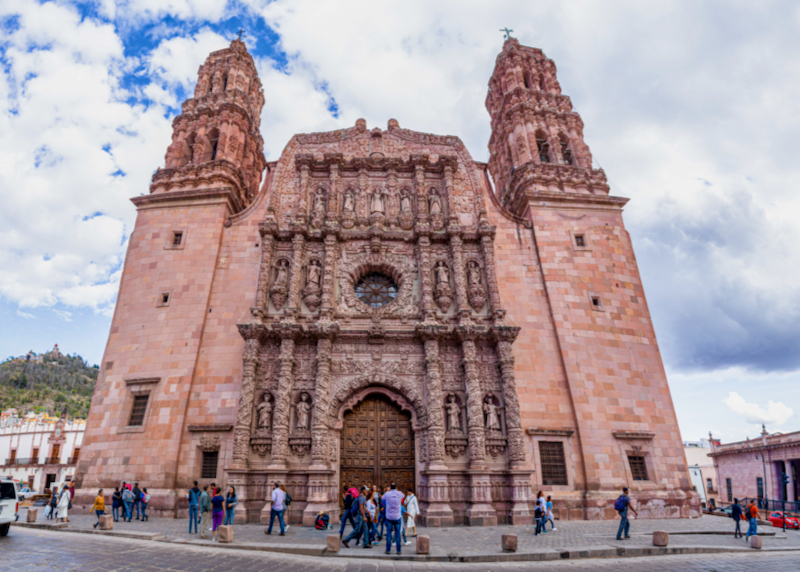
    Zacatecas Cathedral

    The facade of the Zacatecas Cathedral.

    What are the best things to do in Zacatecas?

    Start by simply wandering the cobbled streets and historic colonial plazas of Zacatecas. The city’s gorgeous, pink sandstone cathedral is one of the best examples of Mexican Baroque architecture in the country. Nearby, the old market, Mercado González Ortega, has been converted into a chic shopping mall. As befits such a historic city, Zacatecas is also crammed with absorbing museums. The Museo Pedro Coronel (Plazuela de Santo Domingo) showcases the modern, abstract, and Catalan art collected by local artist Pedro Coronel (including work by Picasso and Miró). Pedro’s brother Rafael founded his own beautiful museum, the Museo Rafael Coronel (Callejón de San Francisco 65), set in an old Franciscan mission and built around a vast collection of traditional masks.

    The Museo Zacatecano (Dr. Ignacio Hierro 307), housed in the old mint, chronicles the history of the region, while the Museo de Arte Abstracto Manuel Felguérez (Cristóbal Colón) displays the abstract paintings and sculpture of local artist Manuel Felguérez, inside a converted prison. The Museo Francisco Goitia (Enrique Estrada 102) highlights the work of yet another Zacatecan artist, Francisco Goitia.

    The mining history of Zacatecas is the focus at the fascinating Mina El Edén, where guided tours take you deep inside the city’s old silver mine.

    Once done with the city sights, take the Teleférico (cable car) up to the Cerro de la Bufa, the huge rock that dominates the city, for spectacular views and the Museo de la Toma de Zacatecas, which recounts Pancho Villa’s desperate attack in 1914. There’s also a decent zipline up here, Tirolesa 840.

    What are the best things to do around Zacatecas?

    Zacatecas makes a good base to explore the surrounding area. Highlights include the traditional silversmiths at the Centro Platero de Zacatecas and the ornately decorated church in neighboring Guadalupe, the ruins of the great Mesoamerican fortress at La Quemada (56 km south of Zacatecas), and the picturesque town of Jerez (53 km west of Zacatecas). Buses link all these sites with the city, though it’s best to take a guided tour to visit La Quemada (easily arranged at the hotel).

    The view from the Cerro de la Bufa hilltop above the city.

    What are the restaurants like in Zacatecas?

    Zacatecas restaurants are good – primarily Mexican food, though standard American dishes (burgers and the like) and Italian food are widely available. The local specialties include “asado de boda” (braised pork with chocolate and orange zest), and anything “zacatecano”, usually involving a sauce of poblano chilies and cream. We love Acrópolis, an old-world café with its own impressive art collection, and cozy Dorados de Villa (on Plazuela de García), which knocks out excellent moles and enchiladas. The best place for a relaxing coffee (and free wi-fi) is Il San Patrizio Caffé (Hidalgo 403). For a splurge, book a table overlooking the old bullring at La Plaza, in the Quinta Real hotel.

    What currency is used in Zacatecas?

    The Mexican peso (often prefixed with a “$” sign) is the currency of Mexico and Zacatecas. Most major shops and restaurants in Zacatecas accept credit cards, but it is a good idea to have some peso cash on hand for entry fees and small purchases like bottled water and snacks. ATMs are easy to find in central Zacatecas – and generally get a better exchange rate here or inside banks than at currency exchange booths.

    Is Zacatecas expensive?

    Zacatecas is not expensive. Hotels in Zacatecas are reasonably priced given their quality, and eating out is rarely expensive. Transportation is inexpensive and fees to enter museums are low, typically one or two US dollars equivalent (tours of the mine and trips on the cable car are closer to US$5).

    Is Zacatecas safe?

    Zacatecas has generally avoided the drug violence that has affected other parts of Mexico making it a safe destination to visit. US State Department travel warnings generally apply to the western part of the state of Zacatecas (south of Highway 45 and west of Highway 23) and not the city itself. Take the usual precautions, especially at night, and keep valuables in room safes.

    Read More

    Veracruz Travel Guide

    Mexico › Veracruz
    Updated: March 3, 2022

    See Also
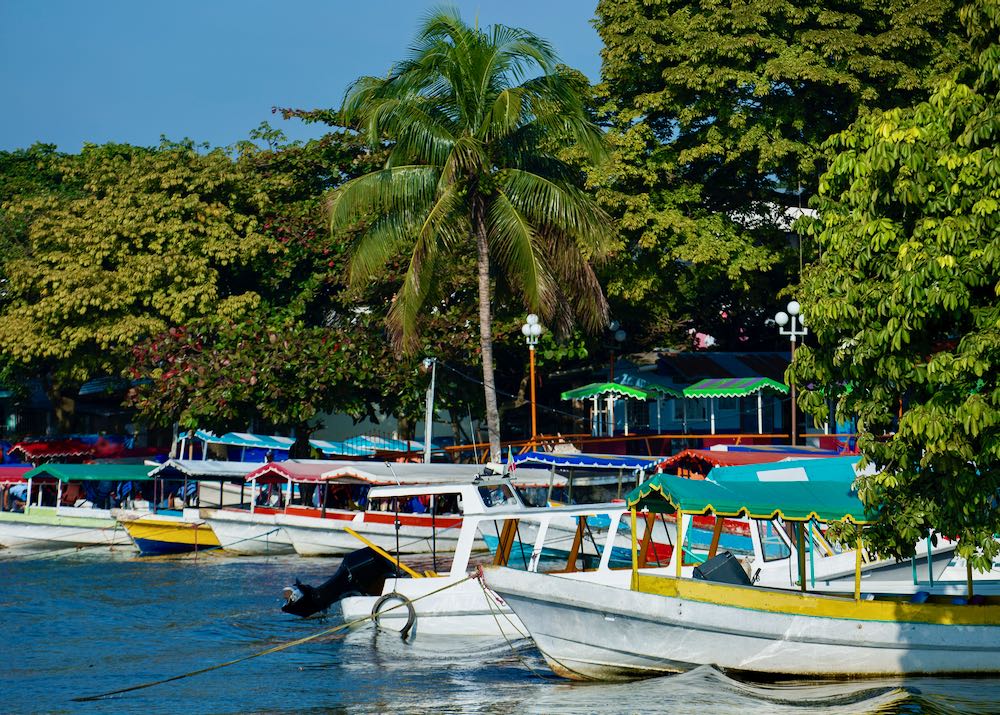
    Boats around Lake Catemaco, Veracruz, Mexico.

    Veracruz is a major port and popular resort city on the eastern, Gulf Coast of Mexico, and one of our absolute favorite places to go in the country. Veracruz is best known for its rich history, tropical setting, charming old town, raucous nightlife, and the biggest aquarium in Latin America.

    Frequently Asked Questions about Veracruz

    Where is Veracruz?

    Veracruz is a port on the Gulf of Mexico and the largest city in the Mexican state of Veracruz. It lies around 90 km southeast of the state capital Xalapa, 420 km east of Mexico City, and 270 km east of Puebla. Non-stop flights to Veracruz take just 55 minutes from Mexico City, 1 hour 35 minutes from Monterrey, 2 hours 15 minutes from Houston, and 3 hours 20 minutes from Tijuana.
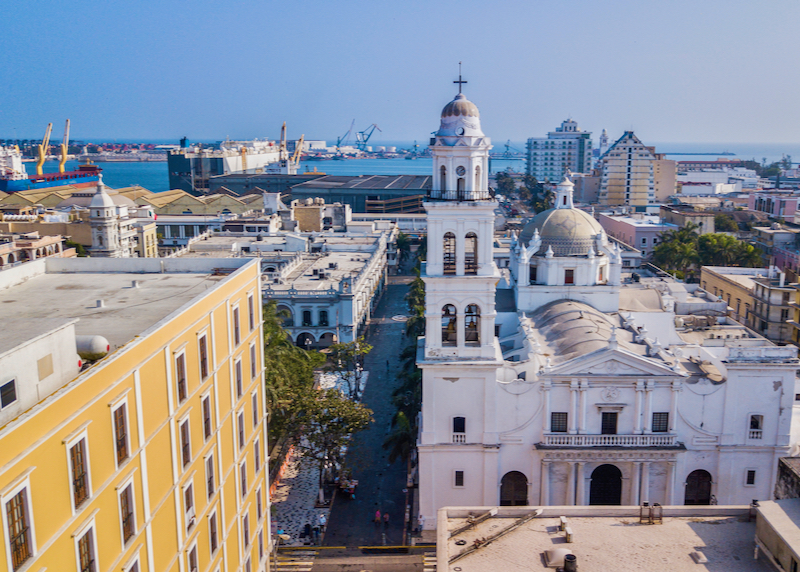
    heroica downtown aerial view

    The historic downtown area of the port city of Heroica.

    How big is Veracruz?

    Veracruz has a greater metro population of just over 700,000. The city and busiest resort area stretches some 20km north to south along the Gulf of Mexico, from the port to the Jamapa River.

    What is the history of Veracruz?

    Veracruz (officially “Heroica Veracruz”), is one of the most historic cities in Mexico. Once part of the Aztec Empire, the city was the first to be founded by the Spanish in Mexico, just after Hernán Cortés’ fateful arrival in 1519. Cortés and his conquistadors waded ashore and made camp here, but the city was relocated up the coast a couple of times before settling on its current location in 1589. Veracruz subsequently became a crucial port city, the main link between Mexico and Spain – as a consequence the English, Dutch, and French frequently attacked its shipping throughout the sixteenth and seventeenth centuries. In the Mexican War of Independence, Veracruz was the last part of the country held by the Spanish, and in the Mexican–American War (1846–48), US troops occupied the city and marched on to capture the capital. In 1861 the French invaded Mexico through the port of Veracruz, and in 1914 US troops returned to occupy the city during the Mexican Revolution. Since then, the city has flourished as Mexico’s biggest port and a key petroleum-refining hub (there are major oil fields offshore).
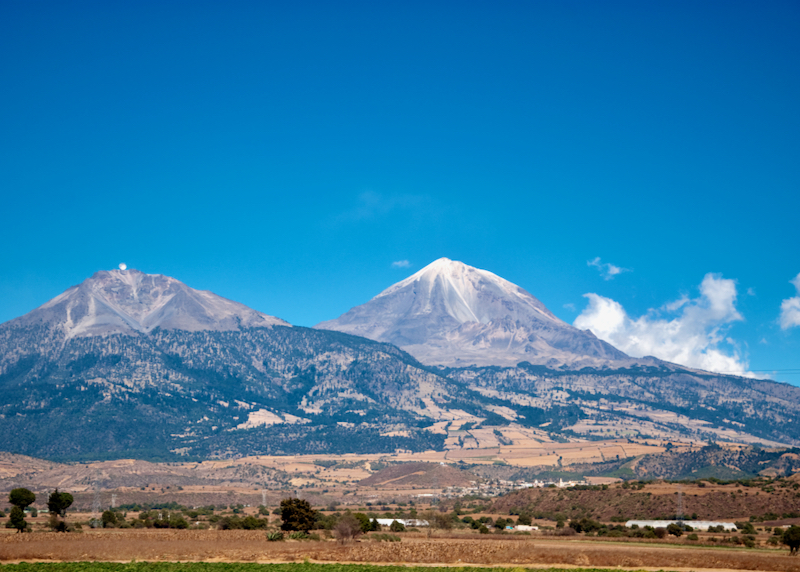
    Pico de Orizaba

    ‘Pico de Orizaba’ is the tallest mountain in Mexico and 3rd tallest in North America.

    How do I get to Veracruz?

    Veracruz is connected to the US by three weekly non-stop flights from Houston on United, but its airport otherwise serves Mexican domestic destinations only; Cancún, Guadalajara, Mexico City, and Tijuana among them. All other flights from Canada, the US, and Europe route through Houston or Mexico City.

    Veracruz airport is about 10km south of the city; it’s simple and convenient to take a taxi from here into the center (around 300 pesos; pay in advance at the taxi desk in the terminal).

    Within Mexico, first-class long-distance buses are an economical and comfortable alternative to flying – buses to Veracruz from Puebla (3 hours) and Mexico City (5 hours 30 minutes) operate hourly. Veracruz bus station is about 3km from the city center. Arriving there it’s best to take a taxi – these follow a fixed-rate system, with the current rates displayed at the exit. Buy a ticket from the dedicated booth before getting in (around 45 to 50 pesos).

    Can I use Uber in Veracruz?

    Currently Uber does not operate in Veracruz.

    Can I drive to Veracruz?

    Driving down to Veracruz from the US border is relatively straightforward – the main highways are good, and virtually empty outside the towns. However, the Mexican border states of Nuevo León and Tamaulipas have been affected by drug cartel violence – driving at night is definitely a bad idea. Check the latest travel advisories at travel.state.gov or ask the hotel. Drivers also need a Mexican “Temporary Importation of Vehicle Permit”.

    From Brownsville, Texas the drive is around 590 miles (950 km) and takes around 13 hours non-stop.

    Renting a car is much easier to do on the Mexican side of the border, as taking US rental vehicles into Mexico comes with all sorts of restrictions.
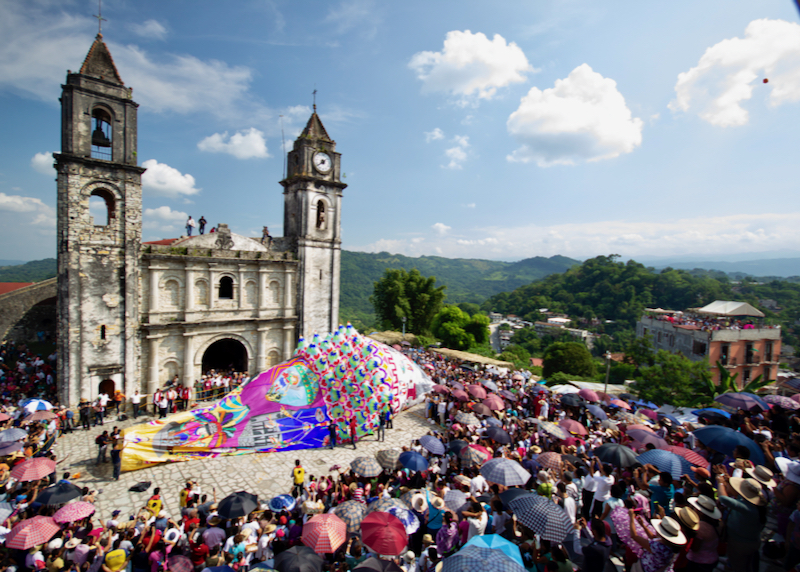
    Church of San Miguel Arcangel

    The paper balloon festival in front of the Church of San Miguel Arcangel.

    Do I need a car in Veracruz?

    Most of the historic center of Veracruz can be explored on foot; for the beaches and attractions further afield it’s easy and cheap to take a taxi or a bus (navigating the congested roads of Veracruz can be a real headache in any case). Taxis are easy to hail on the street (hotels will also call them) – always fix the price in advance before getting in (there are no meters). The minimum fare is 35 pesos, but trips in the center will rarely top 50 pesos. Buses for the beaches (labeled “Boca del Río”, “Playas” or “Mocambo”) run along Zaragoza Street close to the zócalo (main square). Local buses charge a flat fare of 9 pesos (expected to increase by a few pesos in the coming year).

    When is the best time to go to Veracruz?

    During the dry season, from November to May – Veracruz is a tropical city but temperatures at this time are more comfortable and less humid. To get the best hotel rates and to avoid the crowds, skip Veracruz during Christmas, Easter, or the Veracruz Carnival (Feb/March), when the city is mobbed by domestic tourists. The hot, humid wet season runs from June to October – hotel rates can be cheaper, but exploring the city is miserable at this time.

    What are the main resort areas in Veracruz?

    The historic city center of Veracruz (“Centro Histórico”) fronts the port and marina, and most of the resort hotels lie along the beaches further south, linked by Bulevar María Ávila Camacho. The closest beaches to the center are Playa Villa del Mar and neighboring Playa Hornos and Playa Martí: it’s not great for swimming here (the water is not clean), but there is plenty of seafood and boat trips are offered to Cancuncito and the Isla de Sacrificios, just offshore. Further south, Costa de Oro is home to several major resorts, though the beaches here are also fairly scrappy. Playa Mocambo is much better, a kilometer south, with beach bars, a small water park, and lots of decent hotels. At the end of the strip, 3.5 km south of Mocambo, lies Boca del Río at the mouth of the River Jamapa. There are more long, grey-sand beaches here, but the main attractions are the town’s riverfront seafood restaurants and boat trips upstream into the jungle.
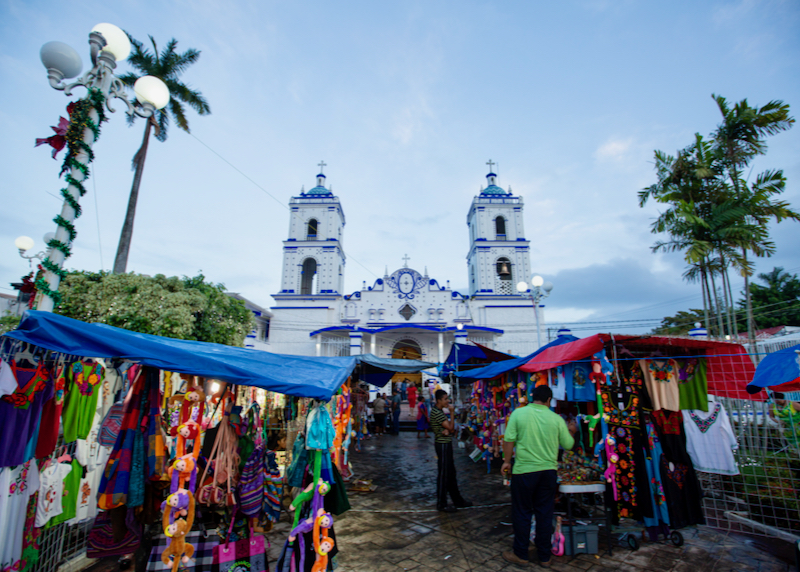
    Lake Catemaco plaza

    Market on the plaza in front of the Basílica de Nuestra Señora del Carmen in Catemoc.

    What are the best beaches in Veracruz?

    Our favorite beach in Veracruz is Playa Mocambo – it’s by far the nicest stretch of sand and is the best for swimming. Playa Martí is closer to the center and is a fun spot to watch local beach volleyball and soccer matches. Playa Hornos is the best place for watersports.

    Where should I stay in Veracruz?

    We would recommend somewhere in the Old Center of Veracruz, the “Centro Histórico”, to make the most of the nightlife, sights, best restaurants and attractions. While it’s true that the hotels here tend to be more old-fashioned, the resort hotels along the beaches are quite a long way from the action – and Veracruz isn’t known for its beaches in any case (they are not Mexico’s best). Staying in the city center it’s relatively easy to take a taxi or bus out to the beaches for the day. On the other hand, those that prefer a few hours of sightseeing followed by every afternoon on the beach may want to check out the resorts in the coastal “hotel zone”.

    In the city center, we like the Hotel Emporio, which combines a central location with excellent amenities and a pool overlooking the harbor. The Hotel Veracruz Centro Histórico and Hotel Baluarte are other excellent choices in the center. Hotel Indigo Boca del Rio is a chic, contemporary option close to Playa Mocambo, as is the Collection O Hotel Mocambo, a beautifully renovated hotel from 1932.

    What are the best things to do in Veracruz?

    Veracruz has an energy and cultural identity unlike any other Mexican resort city.

    The old heart of the city is its main plaza, known as the Zócalo. Dominated by the city’s beautiful cathedral, the Zócalo is the perfect place to sip local mint juleps and listen to marimba bands (based around a giant wooden xylophone), as well as mariachi and norteño music. Similarly lively in the evenings, the malecón (harbourfront promenade) features street vendors, buskers, and “dancing” fountains. The city’s biggest conventional attraction is the Acuario de Veracruz, the huge aquarium, though there are also plenty of historic sights. Get oriented at the Museo de la Ciudad, a museum that chronicles the history of the city, and the Museo Histórico Naval, which charts Mexican naval history from the Mesoamerican period to the modern-day. It’s also possible to visit the city’s once-formidable Spanish fortifications: the 17th-century Baluarte de Santiago and the ruined Castillo de San Juan de Ulúa, complete with creepy dungeon.

    Though the beaches of Veracruz (see above) are not the best in Mexico, they can make for a relaxing day in the sun. Snorkeling and diving trips out to the nearby islands are also fun: Cancuncito is a tiny sandbank in crystal-clear waters, while the Isla de Sacrificios is off-limits but surrounded by enticing snorkeling sites, and La Blanquilla, Isla Verde, and Anegada de Adentro are all reef sites just 20 minutes ride from the beach. Recommended operators include Mundo Submarino and Scubaver. Monkey Fish is another excellent operator that can arrange kayaking, paddleboarding, sandboarding, and snorkeling. Armonia Rafting can arrange whitewater rafting in nearby Jalcomulco.

    What are the restaurants like in Veracruz?

    Veracruz is well-known throughout Mexico for its cuisine, with its signature dish, Huachinango a la Veracruzana (red snapper Veracruz-style), available almost everywhere. Other local specialties include pulpo a la marinera (octopus), arroz a la tumbada (local seafood rice, a bit like paella), empanadas de camarón (shrimp empanadas), and jaiba, a large Gulf crab. The local coffee, fruits, and vanilla are also worth sampling, and all the seafood is fabulous.

    Another pleasure in Veracruz is hanging out in its old colonial cafés – always lively and ringing with the sound of spoons clinking against glasses (the traditional way to call for a refill). Gran Café del Portal (Independencia 1187) and Café de la Parroquia (Gómez Farías 34) are the two most famous and our favorite spots to enjoy breakfast. For a treat, we like the contemporary Mexican food at Restaurante Fussion (Av. 1º de Mayo 632).
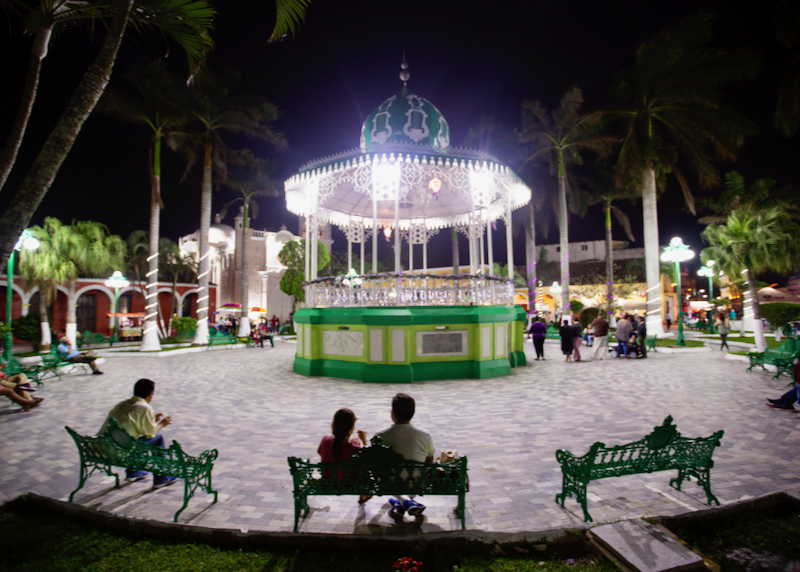
    Tlacotalpan plaza at night

    Enjoying an evening on the plaza in Tlacotalpan.

    What currency is used in Veracruz?

    The Mexican peso (often prefixed with a “$” sign) is the currency of Mexico and Veracruz. Most major shops and restaurants in Veracruz accept credit cards, but it is a good idea to have some peso cash on hand for bus/taxi trips, museum entry, and small purchases like bottled water and snacks. ATMs are easy to find in Veracruz around the junction of Independencia and Benito Juárez.
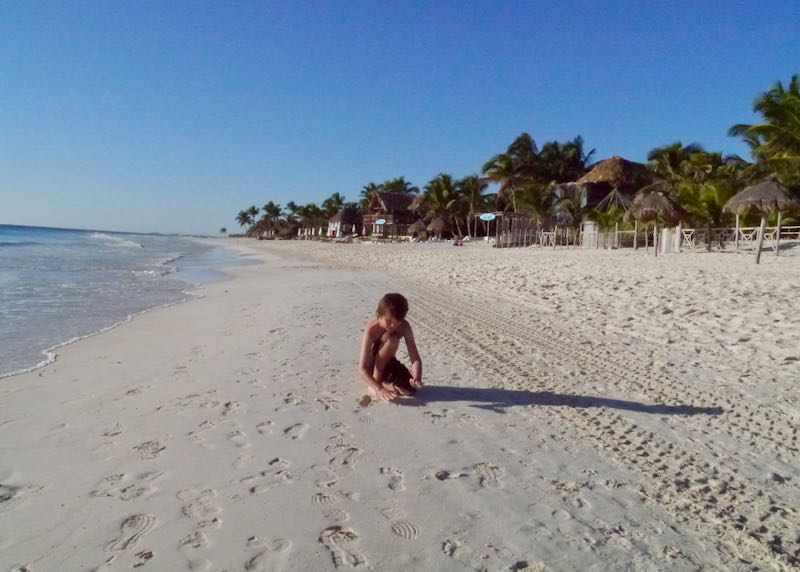
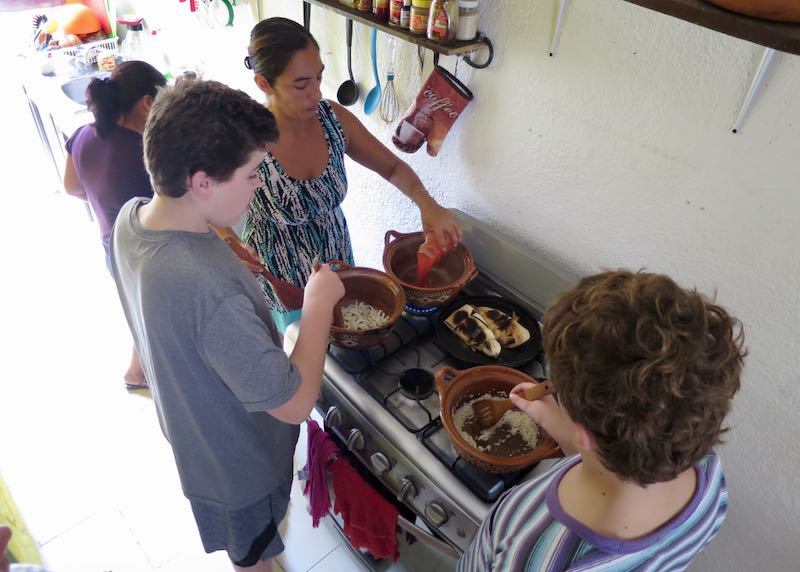
    Is Veracruz expensive?

    Hotels in Veracruz are reasonably priced, and food and drink is a good value. All beaches are open to the public and free to visit, buses and taxis are cheap, and budget Airbnb deals are also a viable option.
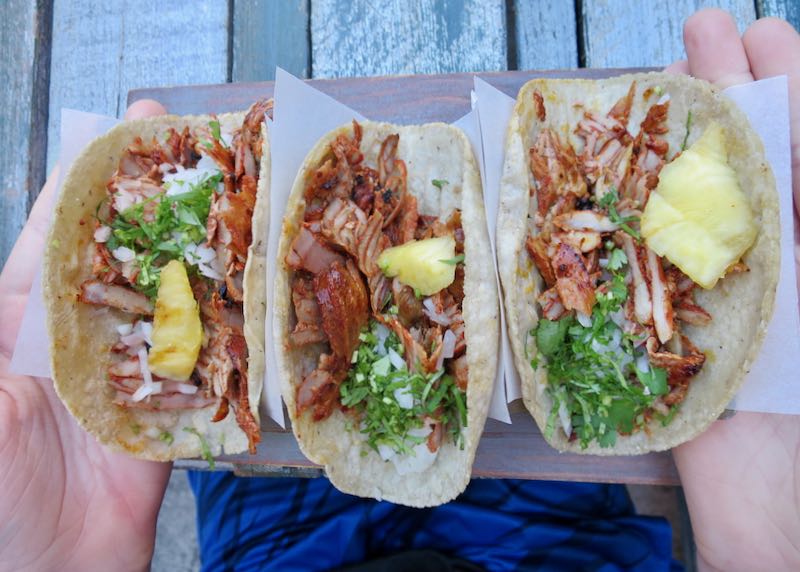
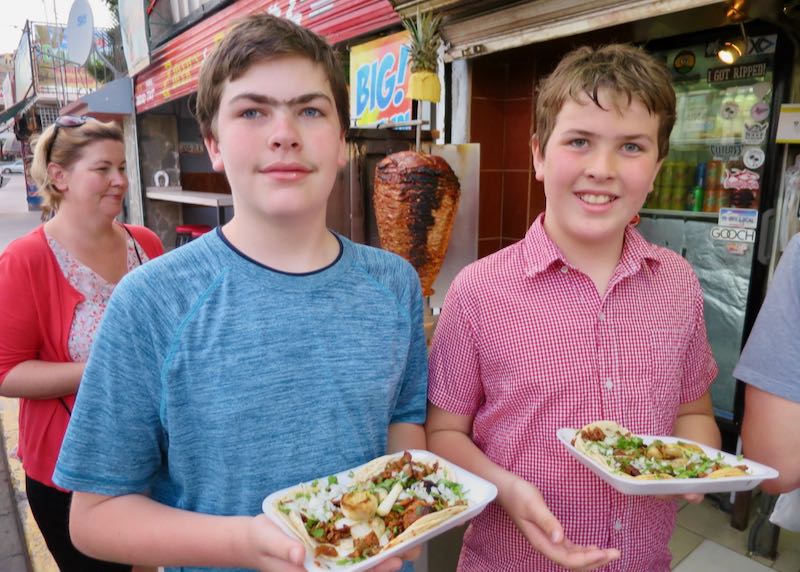
    Is Veracruz safe?

    Veracruz has generally avoided the drug violence that has affected other parts of Mexico. Take the usual precautions, especially at night, and keep valuables in room safes. Theft of personal items from beaches does happen – never leave anything of value unattended, even on seemingly empty stretches of sand.

    Read More