Author Archives: Mexico Dave

Puerto Vallarta Restaurants

Mexico Puerto Vallarta › Best Restaurants
Updated: March 7, 2022

See Also

The 10 Best Restaurants in Puerto Vallarta

  1. Café des Artistes • $$$$
    Fine dining French restaurant in Puerto Vallarta
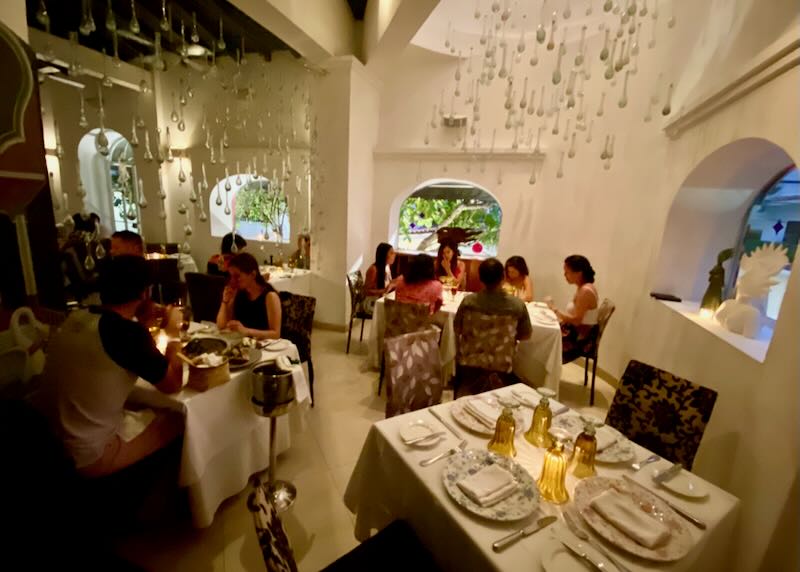
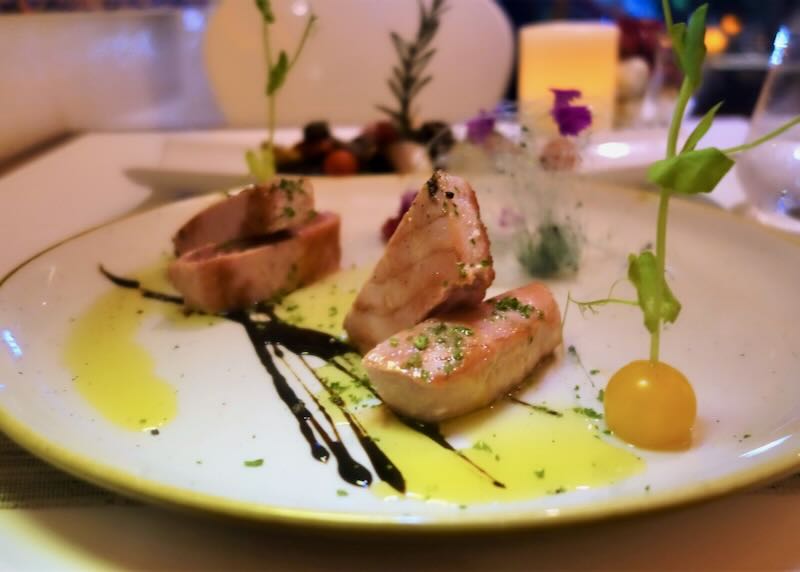
    Creative French fine dining with Mexican flair, using fresh, local ingredients. The decadent menu features popular mainstays like duck confit with mole or pork belly in a hibiscus merlot sauce, as well as an ever-changing selection of seasonal dishes. Ambiance is romantic and celebratory. Diners may choose a table on their jungle garden patio or in their white and crystal dining salon. Their extensive wine list showcases varieties from ten countries as well as several regions in Mexico, though their cocktail menu is equally tempting with regional spirits and fresh fruits. Reservations are strongly recommended, especially if requesting outdoor seating in the winter months. Children eight years and over are allowed. Located in El Centro, three blocks from the Malecon in a gorgeous hundred-year-old house.

    Location

  2. Mariscos Cisneros • $
    Great seafood restaurant Puerto Vallarta
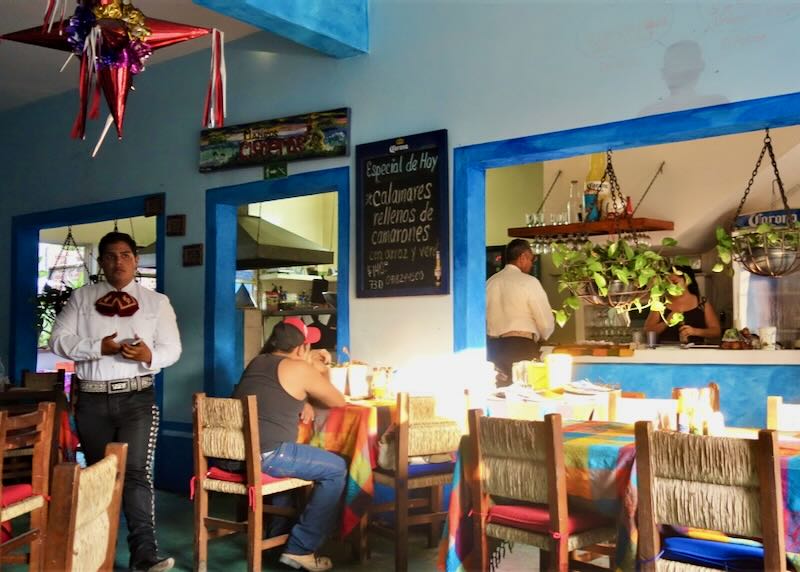
    Casual, local seafood diner with cheerful décor and a friendly vibe. The restaurant keeps a taco truck in front for a quick lunch, though the main restaurant has a larger menu and more seating – indoors, or in their backyard patio. Local favorites include the aguachile ceviche and manta ray tacos, while travelers rave about their shrimp burritos and strong margaritas. This simple, family-friendly restaurant is incredibly popular, so arrive early to avoid a wait. During peak lunch and dinner times, the line gets long enough to wrap around the building, especially during the high season when the food tours stop here.

    Location

  3. Kaiser Maximilian • $$-$$$
    Austrian restaurant and European cafe in Puerto Vallarta
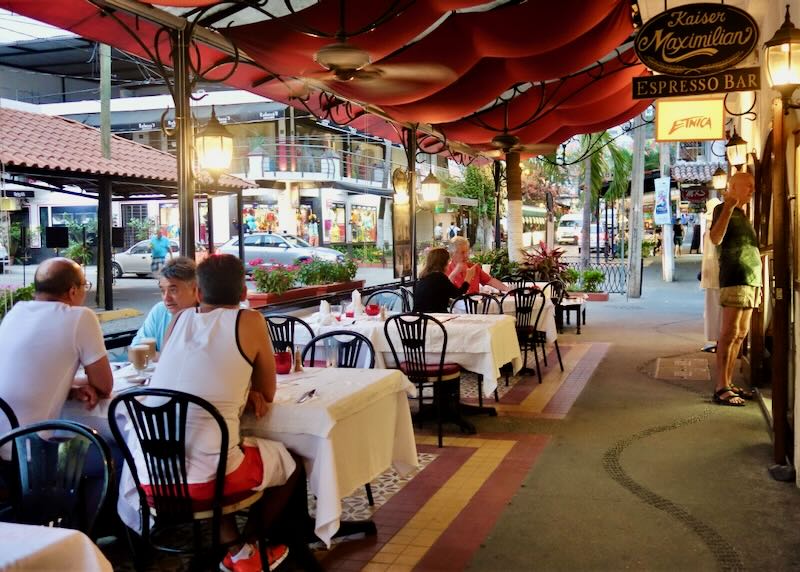
    Upscale, Austrian bistro, with a casual, sidewalk café in front and an intimate, fine-dining restaurant inside, all with white table-cloths, fresh flowers, and candles. The menu features authentic Austrian and European recipes, along with Mexican favorites, and some of the best espresso in the city. Expect rich flavors, warm hospitality, and great people watching from its central perch in Zona Romantica no matter what time you visit. The restaurant is open all day but is most popular for breakfast (pastries, large portions, great mimosas, and liquor-spiked coffees) and dinner (succulent meats, chocolate, and fruit desserts, over one hundred wines).

    Location

  4. 116 Pulpito Gastro Bar • $$-$$$
    Best tapas and cocktails in Puerto Vallarta
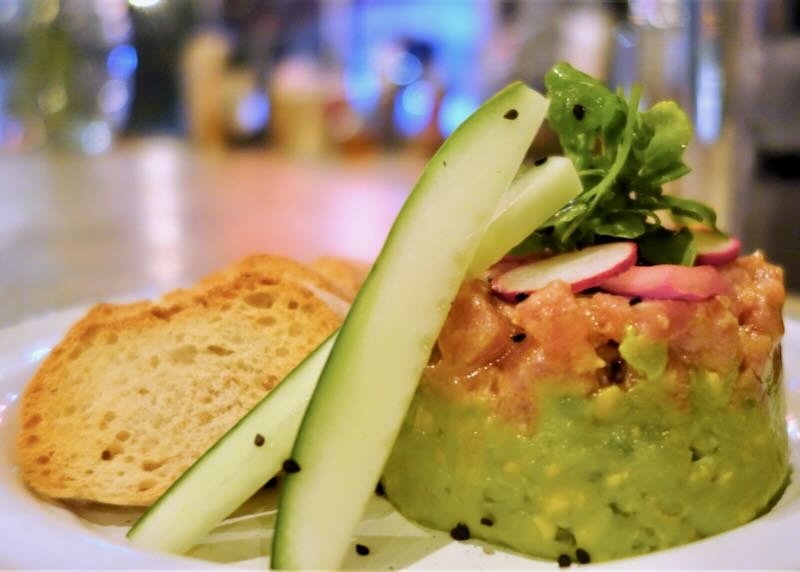
    Trendy spot for tapas and cocktails with a lively atmosphere. Cocktails are super refreshing, using fresh-squeezed or pureed fruits and local spirits. Contemporary spins on classic drinks include cucumber margaritas and chili-mango mojitos. Their tapas menu is seafood-heavy with Mexican favorites, alongside Spanish and international flavors; octopus and calamari dishes are the most popular, closely followed by their thin, crispy pizzas. This is a small spot with a few bar stools and mostly two-seat tables. Reserve in advance for larger groups or if you prefer outdoor seating, otherwise the wait during happy hour and dinner is usually around 45 minutes.

    Location

  5. La Palapa • $$-$$$
    Outdoor dining beachfront brunch Puerto Vallarta
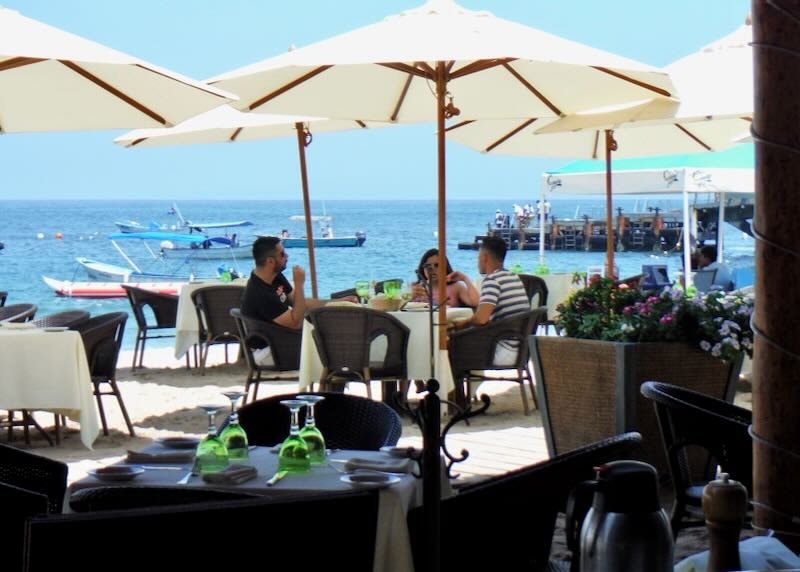
    Contemporary and classic Mexican dishes, with dashes of Asian and French flavors, are served in casual, elegant style here. Diners may choose al fresco tables under their main thatched roof or in their beach club section under shady thatched umbrellas with their toes in the sand. This family-owned, four-diamond restaurant, open since 1957, is one of the oldest and best-known spots in the city and remains especially popular for Sunday brunches, romantic sunset dinners, and special occasions. Seafood dishes are most raved about here, especially the ceviche trio. The Mexican coffee comes with a fun fire show.

    Location

  6. Restaurant Pajaritos • $$-$$$
    Local favorite restaurant Puerto Vallarta
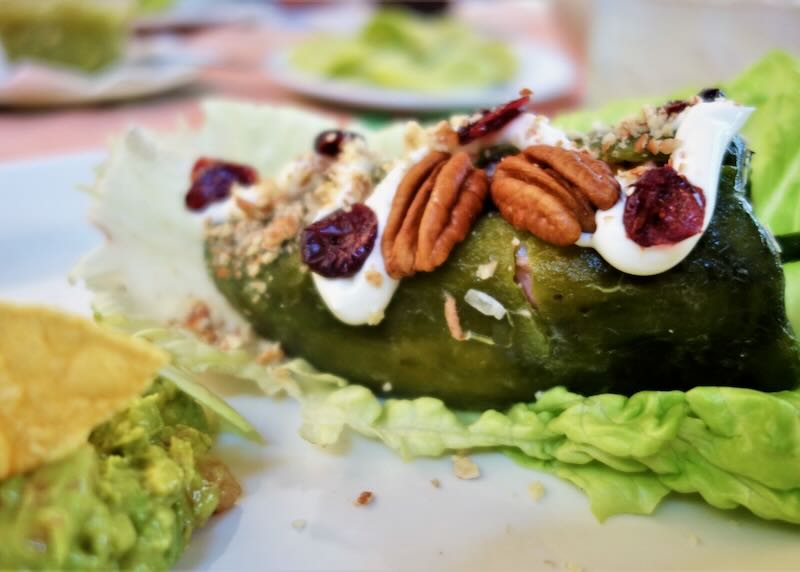
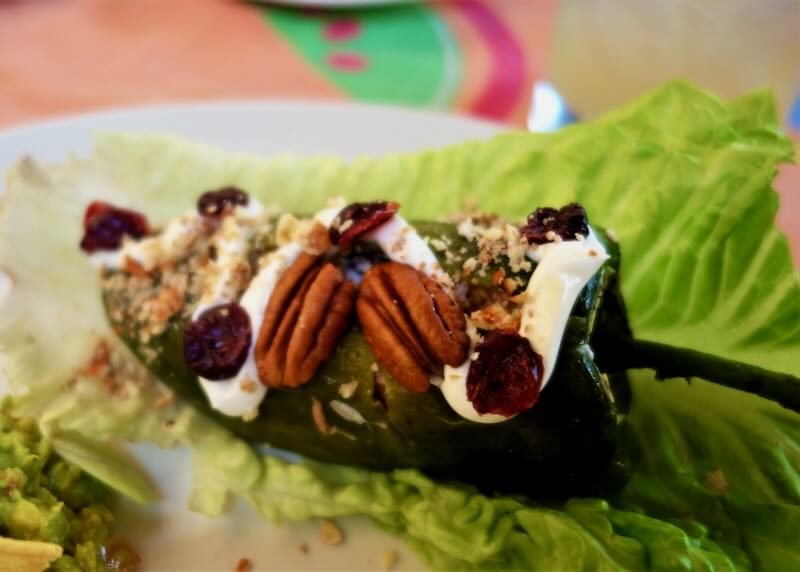
    This hidden gem is a local favorite, best known for its seafood tacos; choose shrimp, octopus, or fish, all of which come wrapped in bacon. Their chile en nogada, though, offers a truly outstanding blend of savory, rich, and sweet flavors with picadillo, poblano, pomegranate seeds, and walnut sauce. Great margaritas are a staple, as are aguas frescas with different flavors every day. The humble restaurant features a small sidewalk bar in front, covered dining inside, and tables on their garden patio in back. Tucked away on a residential street in El Centro, Pajaritos is open seven days a week from 1:00-7:00 pm.

    Location

  7. Casa Tradicional Cocina Mexicana • $$-$$$
    Restaurant with live music in Puerto Vallarta
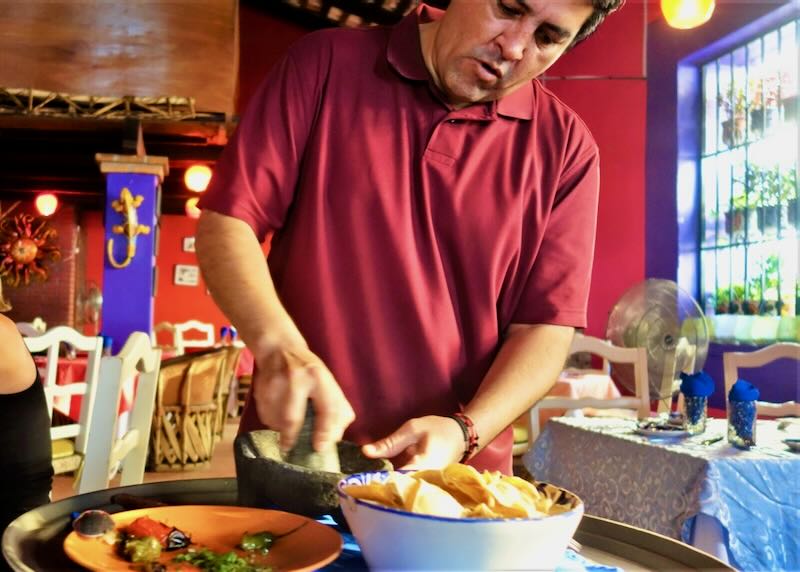
    An excellent restaurant for fresh, authentic flavors and a warm atmosphere. Fire-roasted salsas and fresh guacamoles are made tableside with a customized level of spice. Their carnitas Michoacán, barbacoa de res, and shrimp molcajete are the stand-out dishes, a change from the usual fish-based menus in Puerto Vallarta (though they do have amazing green ceviche here, too!) Nightly live music usually features a two-piece band or mariachis. The restaurant is across from Guadalupe Church, so expect lots of tourists. In spite of this, recipes remain traditionally Mexican, rather than Americanized versions.

    Location
  8. Pancho’s Takos • $
    Best street tacos in Puerto Vallarta
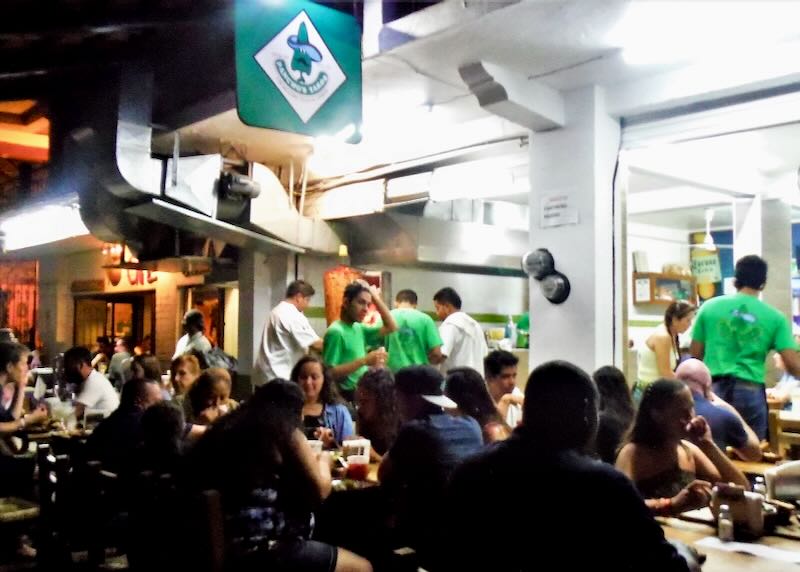
    Fantastic, little street restaurant specializing in tacos al pastor: pork cooked over charcoal, sliced to order, served on fresh, soft, piping hot corn tortillas, with roasted pineapple and cilantro. Though al pastor is the star, their queso fundido (with chorizo or mushrooms) and quesadillas are not to be missed. Be sure to top your meal with some of their house-made salsas, ranging from a mild green to spicy red to an atomic orange (mango habanero for a sweet and fiery treat!) This casual hole-in-the-wall offers just a couple of tables inside, with the rest spilling off the sidewalk and into the street. There is usually a wait, but the line moves quickly.

    Location
  9. El Brujo Vallarta • $$-$$$
    Best stuffed fish in Puerto Vallarta
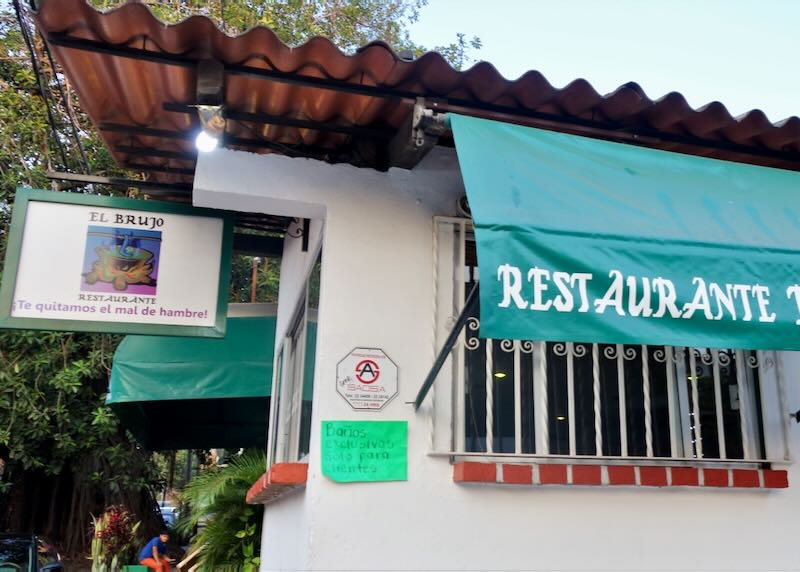
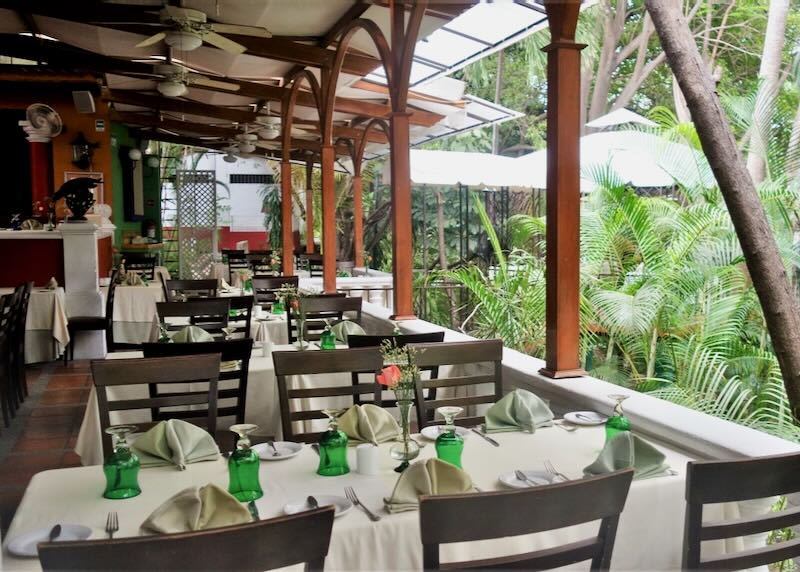
    A beloved local restaurant known for its stuffed fish dishes. The Brujo Negro is the recipe that got them started, a fish fillet stuffed with shrimp and huitlacoche with a squid ink sauce on a bed of corn and rice. Their Santa Cruz, stuffed with crab and cheese and served with a crab enchilada, is another local favorite, along with the Pirey, stuffed with shrimp and octopus with a tomatillo sauce. Most of the recipes are prepared mild; do ask for a spicy preparation or request salsa on the side if you prefer more heat. This family-friendly restaurant is great for younger kids; they have a kids menu and a playroom with lots of toys for preschoolers.

    Location
  10. River Café • $$-$$$
    Best romantic restaurant in Puerto Vallarta
    Upscale restaurant on Cuale Island serving a range of international fare all day. Regional Mexican food feature more prominently at breakfast and lunch, while Italian-inspired options are most popular during dinner service, especially their lamb lasagna. The ambiance is romantic and service is friendly and attentive, perfect for a date night or special occasion. Nightly live music and exceptional cocktails complete the experience. Reservations are recommended, especially for their Sunday brunch or if you prefer seats in the gazebo overlooking the river.

    Location
Read More

Best Things to Do in Puerto Vallarta

Mexico Puerto Vallarta › Things to Do
Updated: March 7, 2022

See Also

Top 10 Things to Do in Puerto Vallarta

  1. Walk the Malecon

    Puerto Vallarta's beach boardwalk, the Malecon.
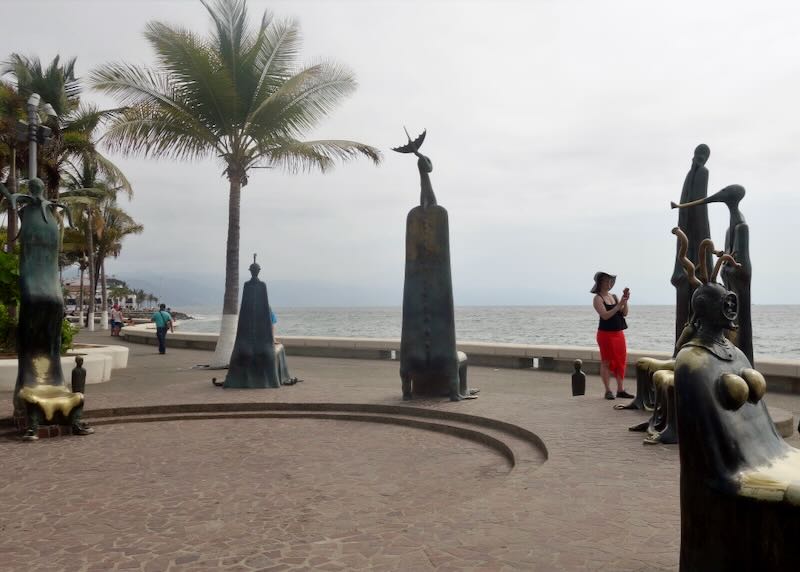
    Considered the heart of the city, the Malecon is a pedestrian-only esplanade following the shore for about a kilometer from Hotel Rosita in the north to the Los Arcos Amphitheater in the south. By day its most prominent features are its sculptures; “Boy on the Seahorse” being the most iconic. (This one is a replica; the original is further south on Los Muertos Beach). Free walking tours of the sculptures are available Tuesday mornings at 9:30 from November through April. Several shops, galleries, and restaurants line the way. At night, the Malecon lights up with food stalls, buskers, and street performers. Free music and cultural shows are held almost every night at the Los Arcos Amphitheater. Though the official Malecon covers just one kilometer, an extension of the Malecon (the Malecon II), continues along Los Muertos Beach south of the Cuale River through Zona Romantica, with more sculptures, food, nightlife, and the gorgeous Los Muertos Pier lighting the night.

  2. Discover Your New Favorite Foods

    The best food tours in Puerto Vallarta
    Puerto Vallarta is a foodie paradise, thanks to top-notch seafood and produce, the rich culinary traditions of Jalisco, and the hundreds of chefs who have made Vallarta their home. With throngs of restaurants and food stalls to choose from, one of the best ways to get to know the real city is on a food tour. Head off the beaten path into the neighborhoods of the Old Town to experience the variety of foods that make this city so beloved among gourmands. Several companies offer food tours; the best option is the Puerto Vallarta Food Tour of Authentic Local Cuisine (mornings, classic local flavors). The tour lasts around three to three and a half hours with a good deal of walking, so wear comfy shoes and come hungry. Beer is available for purchase at most stops, but if you have a chance, try the raicilla (aka Mexican moonshine) – it never disappoints.

  3. Surf Sayulita

    The best surfing in Puerto Vallarta
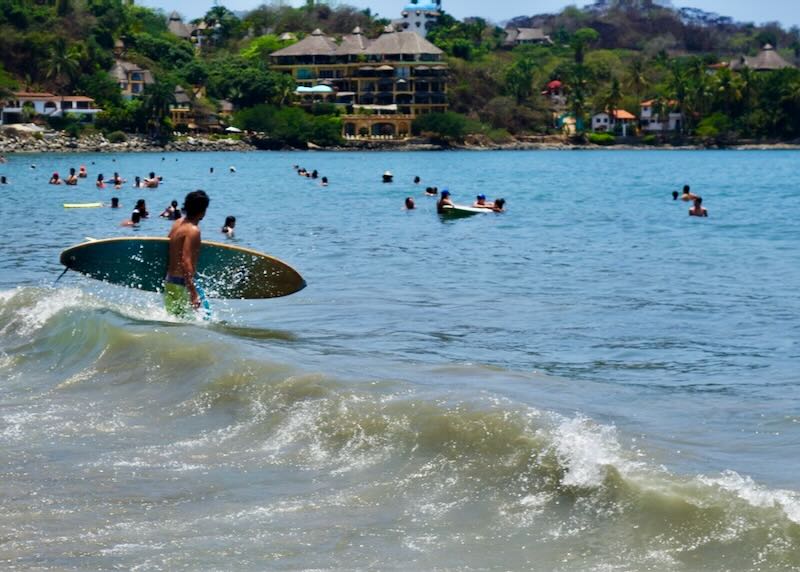
    One of the top surfing destinations in the world, Sayulita’s main beach offers consistent surf almost all year round. Just an hour north of Puerto Vallarta, this eclectic little village has been a popular destination for surfers since the 1960s. Waves here are steady but not too wild, making this the ideal spot for beginners. There are several shops for lessons and rentals, but the best is Surf’n Sayulita. David, the owner, is a lifelong surfer and experienced instructor for all ages and abilities. Single lessons or full day trips (with or without lessons) are affordable, and available for individuals or groups. Located on Calle Gaviota, just half a block from the beach. Downtown Sayulita is walkable and filled with casual bars, lively cantinas, and fun local crafts, so plan on spending at least a day here to experience it all.
  4. Explore Marietas Islands

    Exploring the Marietas Islands off Puerto Vallarta
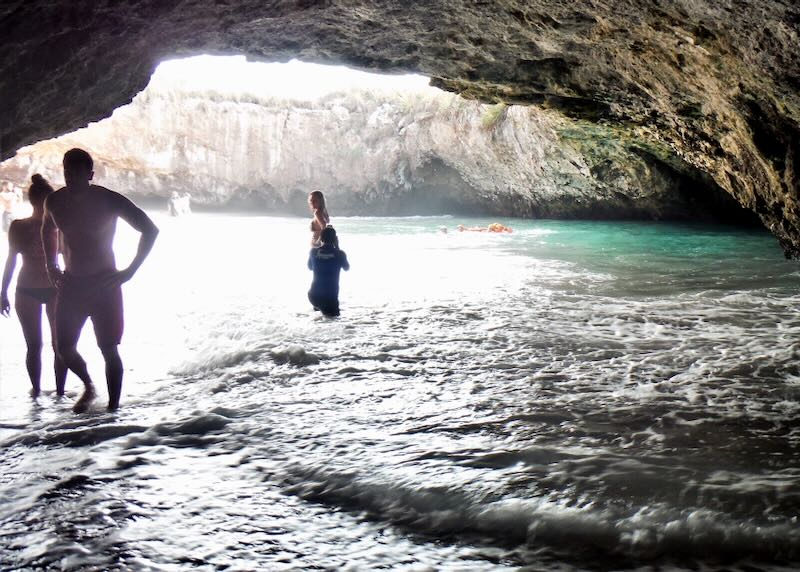
    Sometimes called the Mexican Galapagos, Islas Marietas Islands National Park is a small, uninhabited archipelago recognized by UNESCO as a vital breeding and shelter site for marine birds, most notably the blue footed booby. It’s also home to the most diverse population of reef fish in Banderas Bay and a wide variety of coral. But its main draw is the Hidden Beach, located in a manmade crater, the aftermath of military bombing exercises in the early half of the twentieth century. After becoming a national park in the ‘60s, the Marietas Islands and the Hidden Beach became popular camping spots. However, access to the islands was closed after too many careless tourists damaged the coral and started wildfires. The park has only just been re-opened in Spring 2017, with limited numbers of visitors allowed per day. Guests will need to book a tour to gain access to the Hidden Beach. The closest departure point is from Punta de Mita, though many tours operate from Puerto Vallarta and Sayulita. Punta Mita Adventures, Vallarta Adventures, and Sayulita Entourage are the best tour operators in each respective area.
  5. Get Up Close to Crocodiles

    Puerto Vallarta crocodile tour
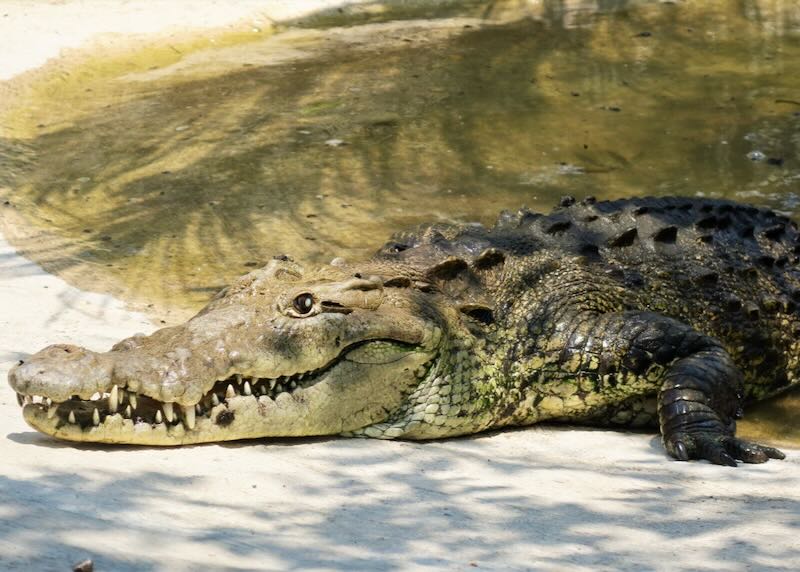
    El Cora is a fantastic eco-sanctuary for crocodiles and other native animals and plants. Guided tours are led by knowledgeable local biologists and are fully interactive. Guests are invited inside enclosures to handle the baby and adult crocodiles, while learning about their biology and habits. Several wild crocodiles live in the surrounding Quelele Lagoon, and the guides are usually able to call them closer for guests to observe (though visitors are not allowed to touch the wild crocs). The park is open for drop in tours from 11a-6p every day except Wednesday for a suggested donation of 200 pesos (about US$11). Night tours are offered on select dates and include a performance of the Huichol crocodile legend. For long term travelers, El Cora welcomes volunteers who want to assist in their conservation efforts. Located just north of Puerto Vallarta in Bucerías, on a long dirt road behind Flamingos Golf.
  6. Wander the Old Town

    Best things to do in Old Town Puerto Vallarta
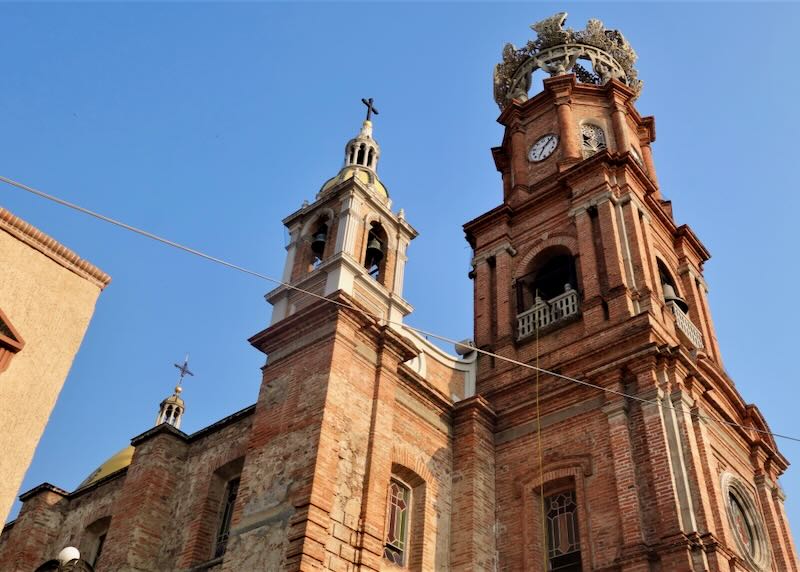
    For a true taste of Vallarta’s Old Mexico charm, travelers should spend a day exploring Old Town, just inland from the Malecon. This highly walkable downtown features several attractions within just a few minutes of each other. The most striking feature of the city is Guadalupe Church (Parroquia de Nuestra Señora de Guadalupe), a gorgeous colonial brick church with a wrought iron crown. Services are offered three times a day on weekdays and seven times on Sundays, with bilingual masses available at certain hours, for those who want a closer look. Just to the south, travelers will find the Mercado Municipal, the flea market north of the Cuale River, with great local crafts on the main floor and an array of fantastic, cheap restaurants up above. Cross over the wooden swinging bridge to reach Cuale River Island, a tropical island with a secluded feel, offering a small archeology museum, a cultural center with art classes, and several craft vendors and restaurants. Head south across the river into Zona Romantica and duck into the several art galleries on Basilio Badillo and Lázaro Cárdenas streets. Grab a happy hour drink on Olas Atlas Street and watch the sunset from Los Muertos Pier. Walk back north along the Malecon, if you still have energy left.

  7. Cuddle a Baby Lion

    Lion cub at Vallarta Zoo
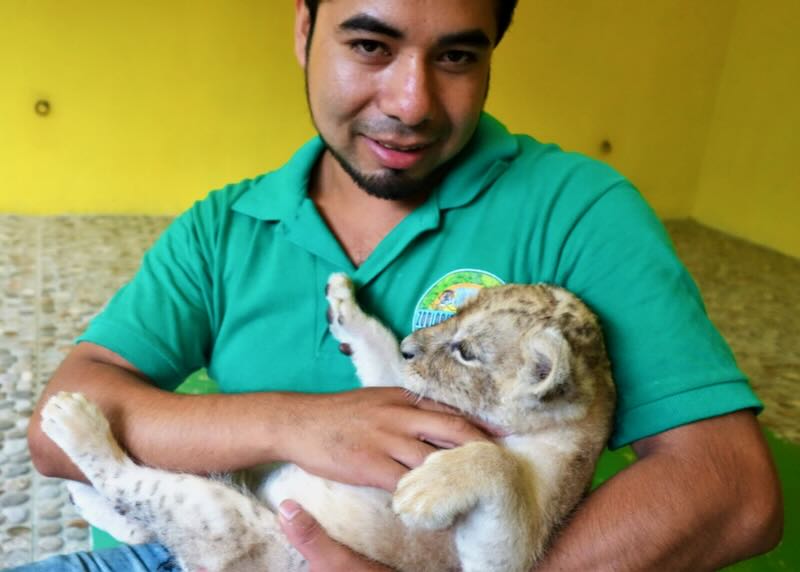
    Vallarta Zoo (Zoológico de Vallarta) is unlike any other zoo, allowing guests to pet and interact with almost all of the animals. For US$10 entry plus $5 optional for a bag of food, the animals walk right up to the front of their enclosures for a handfed treat. The giraffe and hippos are especially popular for feeding. For an extra charge, visitors are allowed into a special enclosure to hold, cuddle, and play with the baby big cats, which can be lions, tigers, panthers, and/or jaguars (depending on availability), plus monkeys and lemurs. This hands-on experience costs US$85 and is inclusive of entry, a food bag, two drinks, and a souvenir from their shop. This is truly a unique experience and worth every penny. However, be advised that the zoo here is not like a typical, pristine Western zoo. Though the animals are well-fed and cared for, their habitats are smaller than guests may be used to seeing. Located south of Puerto Vallarta in Mismaloya.

  8. Make Your Own Chocolates

    Puerto Vallarta chocolate making class
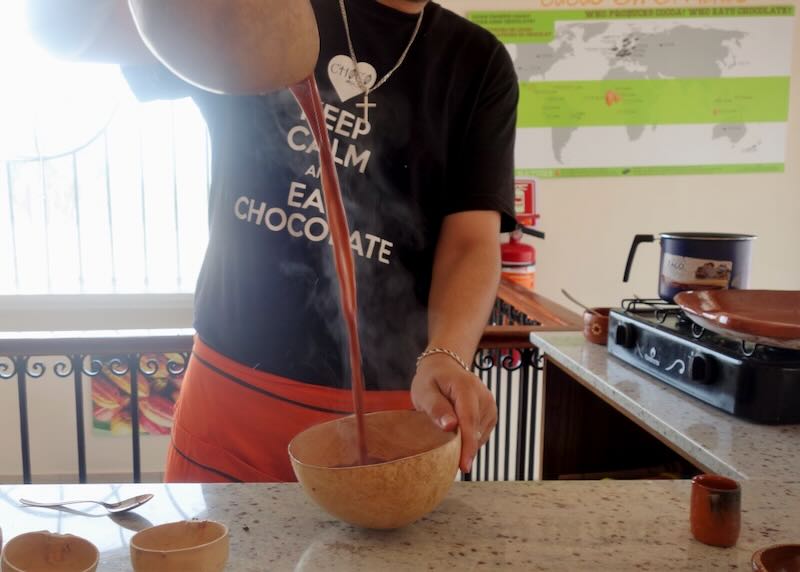
    Chocolate is one of Mexico’s greatest gifts to the world, with the first and still highest quality cacao beans cultivated here. ChocoMuseo’s Bean to Bar Workshop takes students through the complete process of chocolate making. Beginning with a brief history lesson in chocolate, the class then provides hands on instruction in roasting and grinding the beans followed by mixing and molding the chocolates. Other classes cover truffles and how to cook a traditional Mexican Mole. Its 3-story location includes a chocolate shop, café, and a factory open for tours of the process.

  9. Hike through a Jungle Garden

    Day trip to the Vallarta Botanical Gardens.
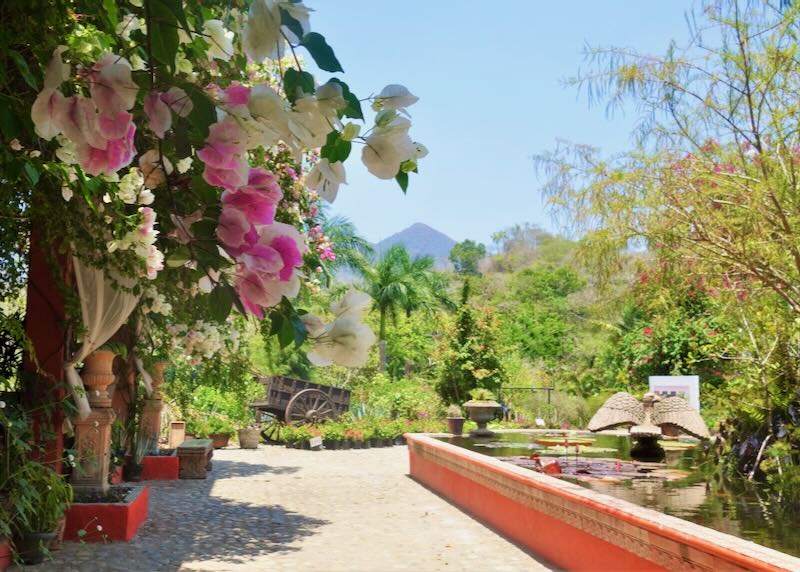
    The Vallarta Botanical Gardens cover 64 acres of the Mismaloya jungle to the south of the city. Unlike a typical manicured garden, the landscape here is largely left wild, with several hiking trails winding their way over steep hills and down to the edge of the Los Horcones River (bring a swimsuit and towel if you want to take a dip). Trails vary from moderate to difficult, and a good pair of shoes is necessary to navigate over the uneven paths. Hike early to avoid the heat, then return to the center of the gardens, a flat area with a huge collection of orchids, the largest in Mexico, as well as an aquatic plants pond and a cactus garden. Birds, butterflies, and iguanas are all found here, plus a fresh Mexican restaurant with good food and even better cocktails.

  10. Sunset Cruise in Banderas Bay

    Best sunset sailing charters in Puerto Vallarta
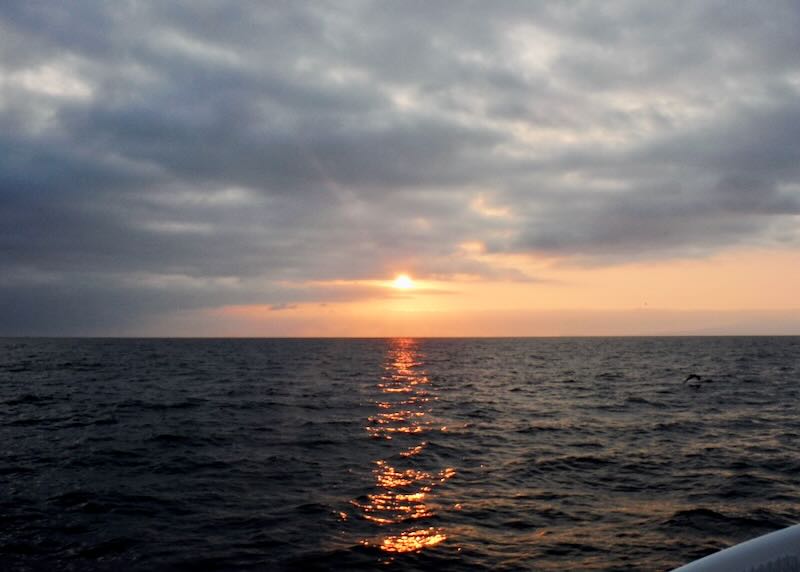
    Vallarta is known for its colorful orange and purple sunsets and, under the right conditions, the rare “green flash” just as the sun disappears over the horizon. There’s no better spot to see the city’s famous sunsets than from aboard a sailboat, gliding over the calm waters in the Banderas Bay. You’ll have a great vantage point here to see not only an unobstructed view of the horizon, but also dolphins, turtles, manta rays, and in the winter months, maybe a whale or two. Most cruises offer an open bar, hors d’oeuvres, and sweets along the way, and last about three hours. The best sunset sailing tours are offered by Ada Sailing, leaving from Marina Vallarta, and Ally Cat Sailing Adventures, leaving from La Cruz Marina near Bucerías.

  11. Read More

Playa del Carmen Restaurants

Mexico › Best Playa del Carmen Restaurants
Updated: March 7, 2022

See Also

The 3 Best Restaurants in Playa del Carmen

  1. Oh Lala! • $$$$
    Best fine dining restaurant in Playa del Carmen
    Fine dining restaurant featuring fresh, local ingredients and inspired choices. The menu features a bold blend of international flavors with Thai and Mexican featured most prominently. Meat, seafood, and vegetables are all prepared with great care and artful presentation. With talented chefs, attentive servers, stellar wines, and decadent desserts, this restaurant is always among the best in Playa. Oh Lala! is romantic and tiny with only nine tables total, so reserve in advance.

    Location

  2. Las Hijas de la Tostada • $$-$$$
    Best casual dining restaurant in Playa del Carmen
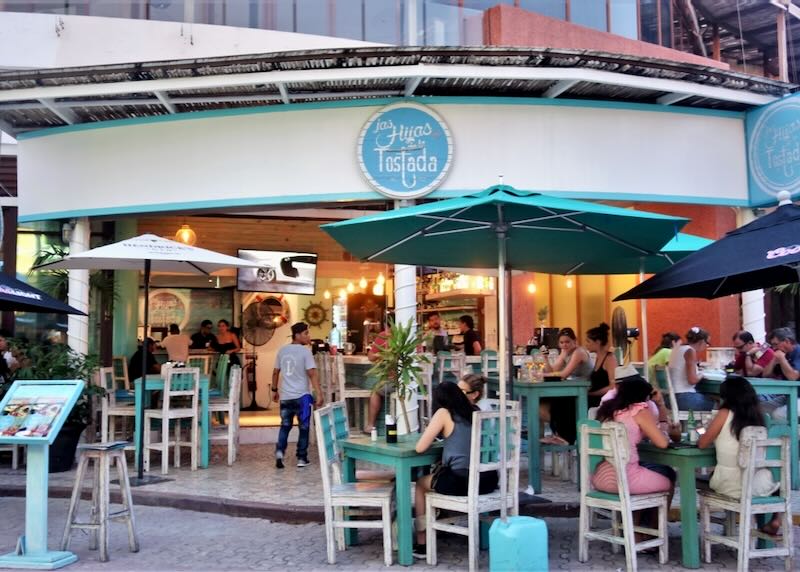
    Casual, al fresco restaurant specializing in Mexican seafood dishes. Two pages of their menu are dedicated to tostadas, mostly with seafood, though meat and veggie options are also offered. The Tikal (raw tuna with chipotle) and the Mixta (shrimp, mahi-mahi, and octopus) are outstanding, as are the shrimp burgers, guacamole, and ceviche. The house cocktails are complex and creative, with mezcal, cardamom, or serrano peppers, while their tropical classics are strong and smooth. Great corner location on 5th, perfect for people watching from their sidewalk patio seats.

    Location

  3. Ah Carbón! • $
    Best tacos in Playa del Carmen
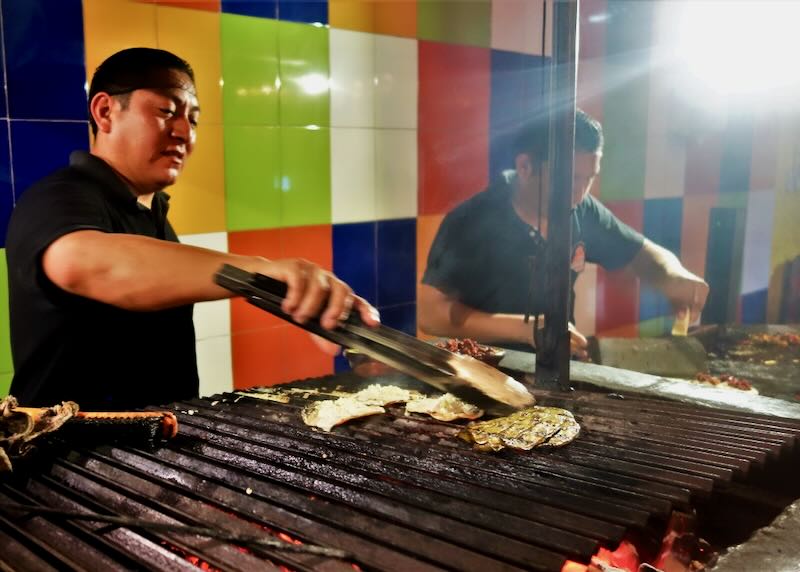
    No frills Ah Carbon! stands out for its mouthwatering grilled meats. The al pastor tacos are the best in Playa; try the build-your-own version with a hearty portion of meat buried under a pile of fresh tortillas with cheese, lime, and a selection of four made-from-scratch salsas. Their papa al carbón is also rich and filling: a baked potato with butter and cream, topped with your choice of meat, whether chorizo, carne asada, al pastor, or arrachera. This family-friendly restaurant is casual and fun with indoor and outdoor seating, a low-key vibe, cold beers, and warm service.

    Location

Read More

Monte Alban Travel

Mexico › Visiting Monte Alban
Updated: March 7, 2022

See Also

Monte Alban ruins Oaxaca

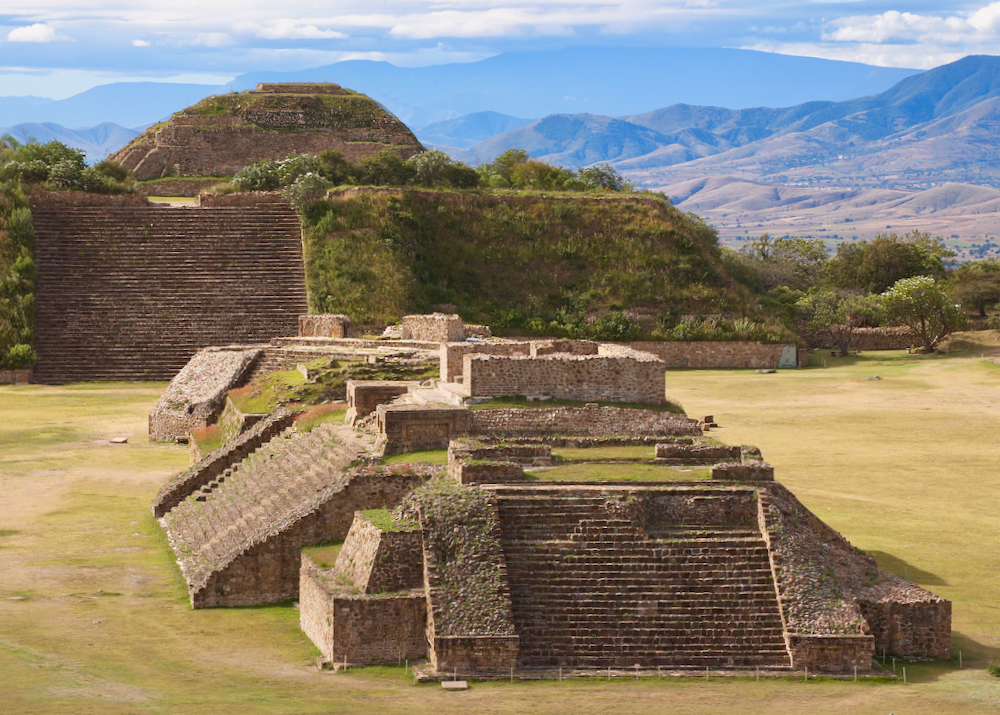
Monte Albán is a ruined Zapotec city in southeastern Mexico, a UNESCO World Heritage Site, and one of our favorite pre-Hispanic sites in the whole country. Monte Albán is best known for its magnificent temples, Zapotec carvings, hieroglyphic inscriptions and its jaw-dropping location, on top of a flattened mountain top.

Frequently Asked Questions about Monte Albán

Where is Monte Albán?
Monte Albán is a Zapotec archeological site, located in the southern Mexican state of Oaxaca. Monte Albán lies high on a mountain top around 6.4 km west of central Oaxaca City, and 460 km southeast of Mexico City.

How big is Monte Albán?
The core site of Monte Albán covers around 6.5 square kilometers (4 square miles), though smaller houses (as yet unexcavated) are thought to have existed far beyond these boundaries. At its peak up to 25,000 people may have lived here, but Monte Albán is uninhabited today.

monte alban ruins in oaxaca

The amazing ruins also offer fabulous views out over the surrounding terrain.

What is the history of Monte Albán?
Monte Albán was founded by the Zapotecs in the sixth century BC and flourished to around 850 AD, after which, for reasons that are unknown, the city was gradually abandoned. The leveling of the mountain was completed and the earliest temples were constructed during the Monte Albán I phase (up to around 200 BC), while the main ceremonial center was completed during the Monte Albán II (to around 100 AD) and the Monte Albán III (300–700 AD) phases. The city was at its peak during Monte Albán III, dominating much of modern Oaxaca state and beyond. The city was abandoned during Monte Albán IV (700 to 950 AD) – little is known about this period. During phase Monte Albán V (950–1521), parts of the city were re-occupied by Mixtec peoples from northwestern Oaxaca. A small Spanish settlement was established nearby in the 1520s, but Oaxaca remained a backwater long into the 19th century. Large-scale excavations and research began on site in the 1930s, and Monte Albán was gradually opened up for tourism.

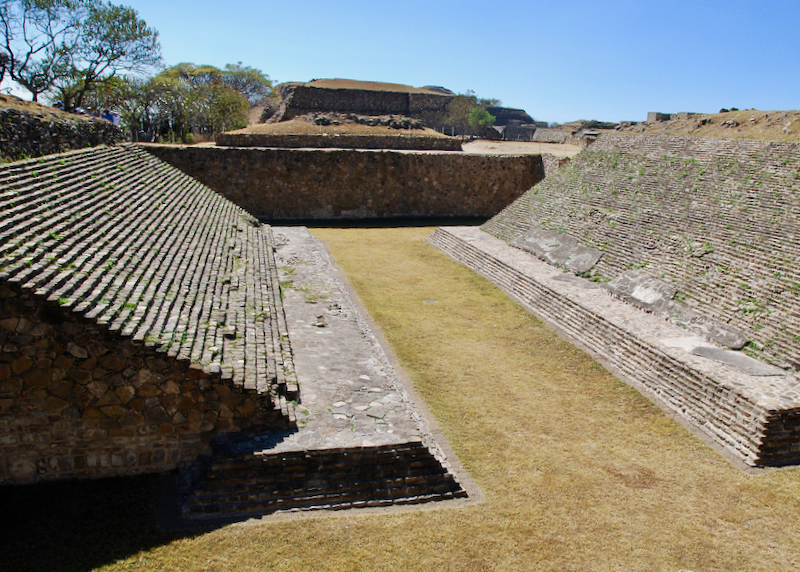
monte alban ball court

The ball court or Juego de Pelota in Spanish, was used for sports, social and political gatherings.

How do I get to Monte Albán?
Monte Albán is an easy trip from Oaxaca City. Lescas Co minibuses (colectivios) zip up and down the steep road to the ruins hourly throughout the day (8.30am to 3.30 pm, last bus back 5pm), departing the Hotel Rivera del Ángel, at Mina 518 in the city center, and stopping at the main plaza (Zócalo). Transportaciones Turísticas Mitla (aka Autobuses Turísticos) offers a similar service, departing Mina 501 and stopping at Hotel Rivera (20 de Noviembre 228). Both companies charge around 70 pesos return. Most Oaxaca taxi drivers will also drive up to the ruins for 100 to 150 pesos (fix the rate before getting in); it’s around 300 pesos for a return trip including two or three hours on site. Note that Uber does not operate in Oaxaca. Oaxaca City itself is connected to US and other Mexican cities by several non-stop flights.

Can I drive to Monte Albán?
Yes, but it’s not recommended. The drive down from the US border is long (800 miles/1287 km), the route is complicated, and the Mexican border states of Nuevo León and Tamaulipas have been affected by drug cartel violence. In addition, the roads in and around Oaxaca are often congested and confusing to navigate. Drivers also need a Mexican “Temporary Importation of Vehicle Permit”.

Do I need a car in Monte Albán?
No. The site itself is pedestrian-only and easy to explore on foot – it’s easy to get here via taxis or public transport from Oaxaca City.

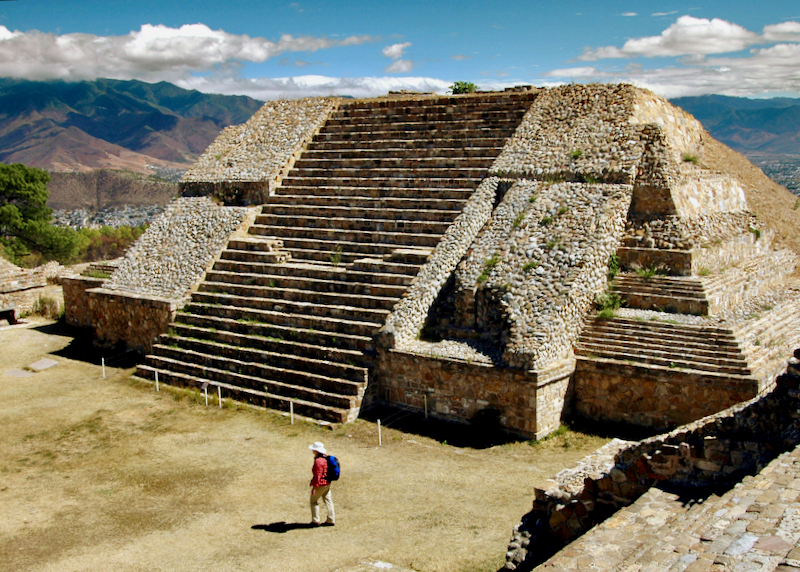
monte alban temple stairs

One of the main temples of the Monte Alban Archaeological Zone.

When is the best time to go to Monte Albán?
Sub-tropical Oaxaca is at its best November through February, when it’s cool, sunny and dry, though visiting from March to May is usually fine – not uncomfortably hot and still relatively dry. The summer (June to October) is warm and relatively wet. Avoid Easter, Christmas and any Mexican public holiday to avoid crowds of domestic tourists and high hotel prices (July and August also tend to be more expensive because of Mexican school holidays).

Where should I stay in Monte Albán?
Aim to stay in the atmospheric old center of Oaxaca City, close to all the sights, best restaurants and attractions. There’s little point in staying near the ruins of Monte Albán itself. For more info visit our Best Places to Stay in Oaxaca.

What are the best things to do in Monte Albán?
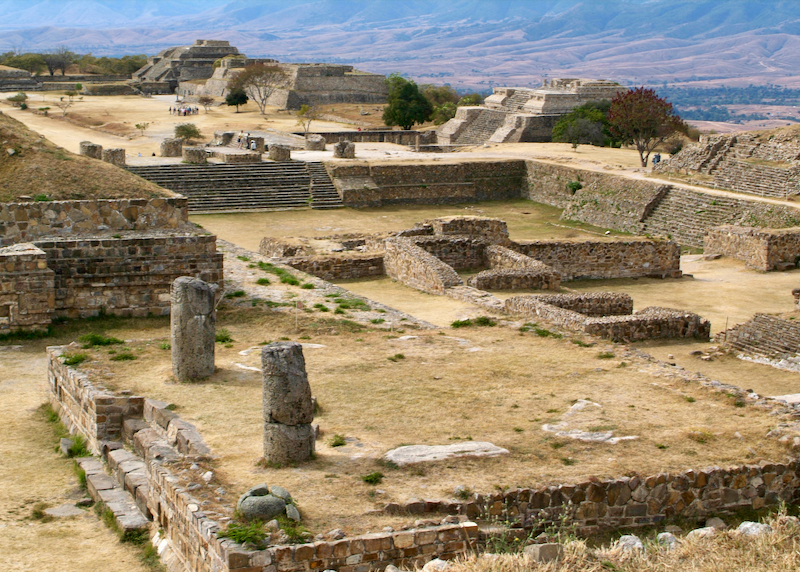
There’s only one reason to come here – the ancient Zapotec ruins of Monte Albán (officially “Zona Arqueológica de Monte Albán”). Check out the tiny museum at the entrance before hitting the main site – there are some amazing finds displayed here, including the carvings of the famous “dancers”. The heart of Monte Albán is the Gran Plaza, the huge, ceremonial center of the city, ringed by the site’s major highlights: Plataforma Sur, the tallest pyramid at the southern end (with the best views of the site); the rectangular platforms of “Monticulo M” and “Sistema IV”, on the western side, Monte Albán’s best-preserved buildings; the gallery and structures known as “Los Danzantes” (the dancers), with blocks carved with images of “dancers” (these are replicas, the originals are in the museum); and Monticulo J, aka the observatory, in the center of the plaza, with more carvings and hieroglyphics. The ruins are open daily 8am to 5pm and cost 80 pesos to visit.

What are the facilities like?

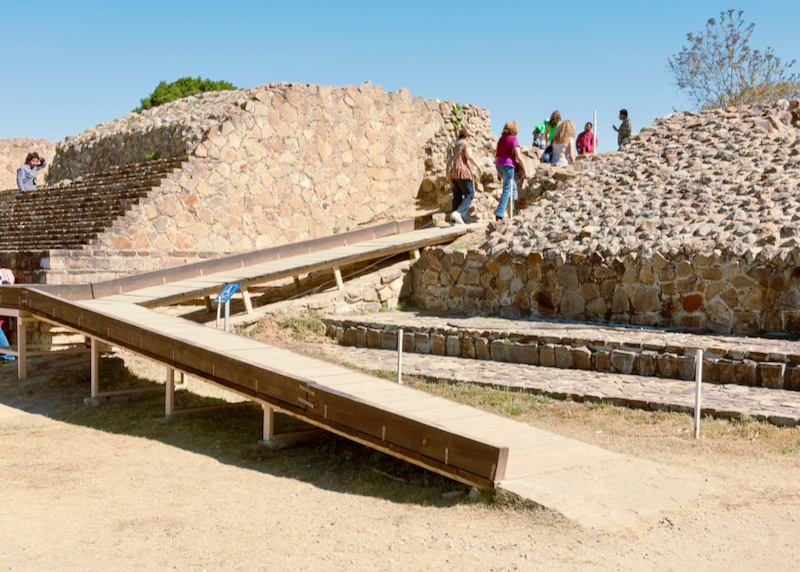
Monte Alban wheel chair ramp

A wheelchair ramp for disabled or elderly visitors to access some of the ruins.

At the main entrance there’s a basic cafeteria, souvenir shop (that sells maps and guides), and toilets (there are also toilets next to the Plataforma Sur in the site itself).

What currency is used in Monte Albán?
The Mexican peso (often pre-fixed with a “$” sign) is the currency of Mexico and used at Monte Albán – businesses will generally not accept US dollars. Bring lots of peso cash for the shops, bus/taxi and cafeteria.

Is Monte Albán safe?
Yes. Monte Albán has avoided the drug violence that has affected other parts of Mexico, and petty crime at the site is very unusual.

Read More

Mexico City Jewelry Shops

MexicoMexico City › Jewelry Designers
Updated: March 7, 2022

See Also

Best jewelry in Mexico City.

Mexico is well-known for its exquisite silver jewelry and intricate designs inspired by a rich indigenous heritage. No trip to Mexico seems complete without acquiring a stunning piece of jewelry to take home. And for every well-established Mexican jewelry designer who has attained international recognition, there are countless emerging designers and craftspeople creating stunning and unique pieces. We took to the streets in Mexico City and perused interesting shops and pop-up markets to compile a selection of the best Mexican jewelry designers to look out for.

10 Best Mexican Jewelry Designers in Mexico City

Marcela Lira

The brand was born at a crossroads in the designer’s life. She had been out of Mexico for 10 years and living in Portland, Oregon, when she felt the need to return to her country, despite not knowing what she’d do when she got there. On a trip to Mexico City, she found a goldsmith shop with a sign that read, “Learn to make a ring in a day.” The first pieces she made were quickly snapped up by her friends, and that’s when she knew she was onto something. Her pieces are produced in Guadalajara and can be purchased at pop-up markets and select stores in Mexico City, like Happening Store.

Mina de Mar

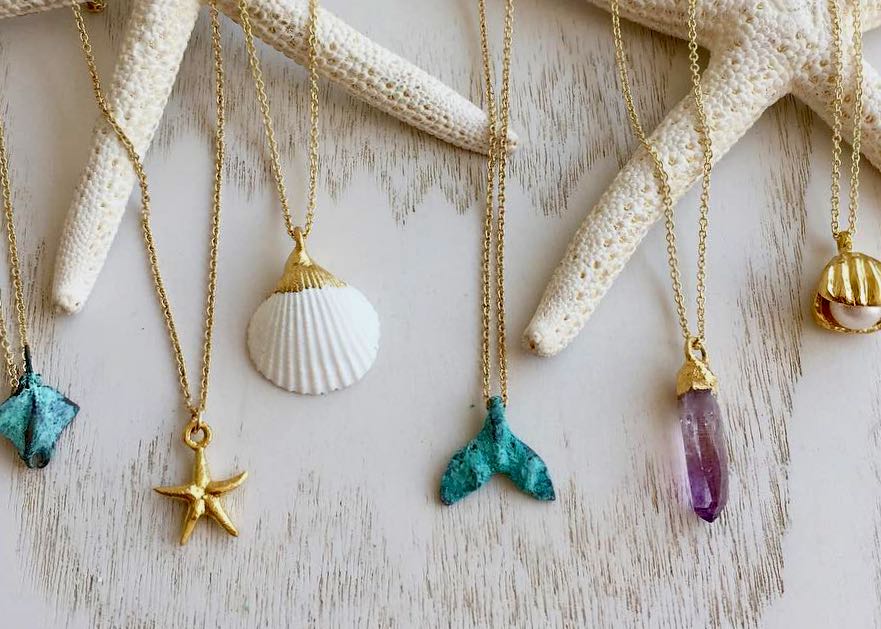
In Giovanna Silva’s words, the designer behind Mina de Mar, the brand is imbued with romantic marine airs in every detail. Inspired by the beauty of beaches and reefs, she created a collection that fuses elements of the ocean and minerals of the earth. All the pieces are handmade in a workshop in Guadalajara, carefully crafting the details of each piece. Her collection can be found at her online store or at Tráfico Bazar, a monthly pop-up market in Mexico City’s trendy Roma neighborhood – follow them on Instagram for actual dates.

Stelröze

Founded by two sisters (STEL = Esthela and RÖZE = Rocío), the brand’s designs can be described as “wearable art.” Each piece is handmade, with only one to three items per design, and the designers work with different communities throughout the world. Some pieces are designed by the sisters and others are proposed by the communities they collaborate with, but Estela and Rocío always choose the color palettes and the materials that will make their jewelry come alive. Their pieces are currently designed and produced in Mexico, Istanbul, Amsterdam, Milan, and Madrid with high-quality materials to ensure durability. Find their collection online or at pop-up markets in Mexico City.

Beka Joyería

Beka is created for people who want to express their identity in a fun, authentic, and graceful way. Rebeca González, the industrial designer behind the brand, creates each piece by hand using different artisan techniques, sometimes enlisting the help of as many as three people at her workshop in downtown Mexico City. Her pieces, which she hopes are small treasures in the life of their new owners, can be found online and at pop-up markets like Vanitas Bazar in the Coyoacán neighborhood and Mercado Escondido in Polanco, both in Mexico City.

Talía Lanz

The brand was born with the intention of filling life with color, joy, and good vibes. When designing her collections, Talía searches for inspiration in various cultures to expose herself to different concepts of beauty. She may design a piece based on a stone she comes across or a pattern she finds on her travels. All her products are unique and handmade, with production lines in Mexico, India, and Turkey. Some of her designs are intervened by the craftsmen who produce them, who she believes are the true experts in the field. Find her pieces online, at the Anthropology Museum in Mexico City, select shops throughout the country, and pop-up markets in Mexico, Texas, and Barcelona. In Mexico City, she frequently has a stall at Tráfico Bazar and Zona Zero.

Lorena Loza

Her collections are inspired by the multicultural experience she gained from traveling the world. After her fashion design studies in Guadalajara, she headed to Paris for a diploma in haute couture, where she found her muse among architectural treasures and museum relics. Each design is unique and modeled in wax. When producing her pieces in a workshop by her garden, she likes experimenting with new textures and playing with the shapes of stones. Find her designs on Instagram and at pop-up markets in Mexico City and Guadalajara.

Azure

Azure’s philosophy is to make pieces for everyone, regardless of gender, because people are as unique and different as the brand’s limited-edition collections. The design team is made up of Cynthia, who leads the way and dictates the lines for the collections, Joyce, who uses her international vision to determine the markets to target, and Carlos, in charge of marketing and production. The pieces are produced at their own workshop with the help of goldsmiths and jewelers that have been working with them for more than 10 years. Azure jewelry can be found online and in shops throughout Mexico, the USA, Germany, and Spain, among other countries, as well as pop-up markets, museums, and international trade shows. For a full list of retailers, consult their website.

Lili Carrillo

A piece by Lili Carrillo is not only interesting on account of its vibrant colors and rich textures but also because it’s committed to fair trade and socially responsible practices. Born in the designer’s native Veracruz, the brand soon made its way to a workshop in Cholula, Puebla, where Lili employs single mothers and pregnant women from the region to make each piece by hand. Part of the proceeds goes towards courses to support the women on topics ranging from nutrition to gender equality. Her pieces can be found online and in Puebla, Veracruz, Chiapas, and Mexico City, as well as in Germany.

Joyería Urbana

The brand’s name means ‘Urban Jewelry’ and its silver collections are inspired by daily life in the city. Ariadna, Juliana, and Rodolfo are the design team behind the brand and they aim to create fun, lightweight pieces that accompany the wearer in their day-to-day activities. Their jewelry is produced in Mexico using .925 silver and 100% Mexican materials, and they combine the highest technology with traditional goldsmith practices. They have points of sale at different shopping malls in Mexico City, participate regularly in pop-up markets, and have an online presence.

Malintzi

The brand’s philosophy is to materialize dreams into jewels, reinterpreting everything that makes us happy and turning it into pieces boasting authentic design, quality, and social conscience. All the pieces are designed and handmade by goldsmith and jeweler Patricia Zermeño at her workshop in Puebla. The brand participates regularly at the pop-up markets Tráfico Bazar and Mercado Escondido in Mexico City and has pieces at Casa Salt, a store that sells items by emerging Mexican designers exclusively. Check out Malintzi’s latest collection online.

Read More

Teotihuacan Travel

Mexico › Visiting Teotihuacan
Updated: March 7, 2022

See Also

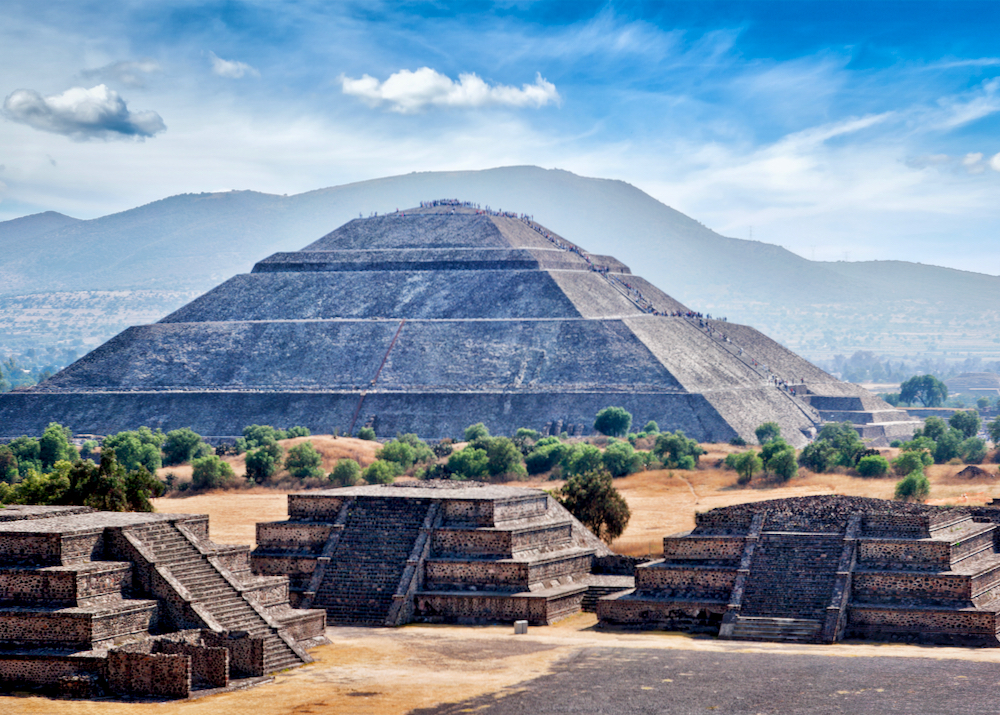
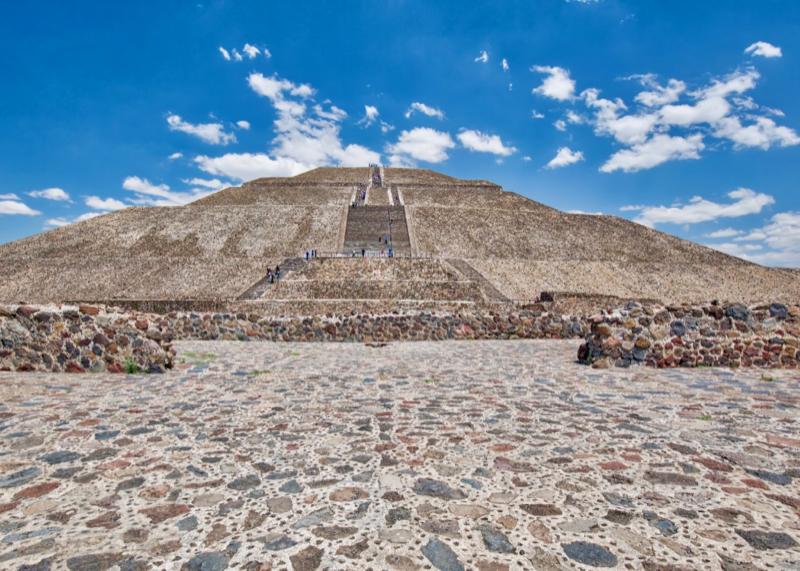
teotihuacan pyramid of the sun Mexico

Teotihuacan is a UNESCO World Heritage Site. It includes some of the world’s tallest pyramids, one of the most spectacular archeological sites in Mexico, and also one of the most easily accessible.

Visiting Teotihuacan – Tips & Info

  • The ruins are open daily 9am to 5pm and cost 80 pesos to visit.
  • There are five entry gates (“puertas”), but buses (and most visitors) aim for Puerta 1 or 2.
  • Aim to arrive at Teotihuacan just before opening time at 9am – this is by far the busiest Mesoamerican site in Mexico, so it pays to get an early start
  • Allow around at least half a day to visit the ruins – aim to eat lunch here if possible.
  • Hire an official guide (once inside the entrance), or obtain a comprehensive written guide before touring the site, as there are very few signs in English.
  • Guides charge around 850 pesos for a 1 to 2 hours and 1500 pesos for a 2 to 3 hours. Non-Spanish speakers should make sure the guide’s English is good before paying.
  • Local vendors sell snacks, drinks and handicrafts outside and inside the site – bring peso cash for these.
  • Note that it is permitted to leave the site for lunch and re-enter with your original ticket (see below for eating suggestions).
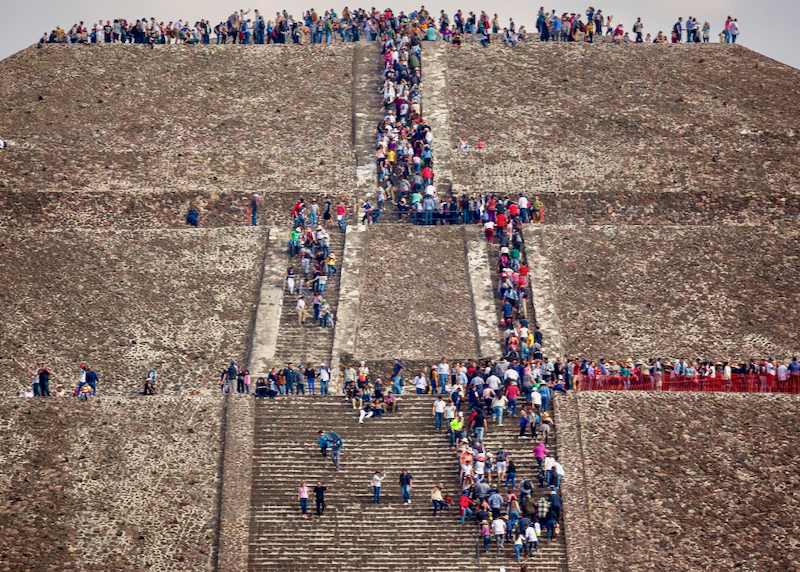
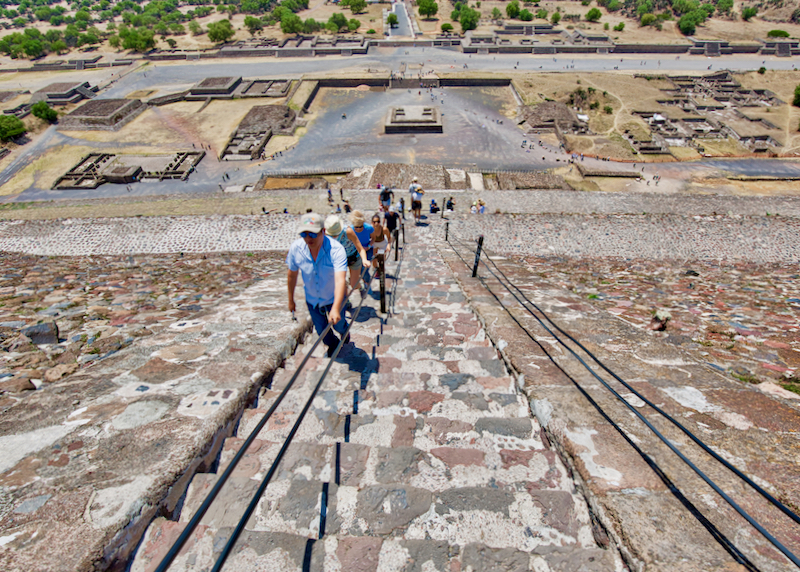
  • You can climb the Teotihuacan pyramids (only halfway up the Pyramid of the Moon), but numbers are restricted and lines form for the Pyramid of the Sun soon after opening at 9am. It’s a short but energetic hike to the top, aided by support ropes, but visitors with mobility or fitness issues may have problems..

The main attractions at Teotihuacan are the monumental pyramids along the 2 km “Calzada de los Muertos”, the Causeway of the Dead. The Pyramid of the Sun (“Pirámide del Sol”) is a gargantuan, 70-meter high structure with sensational views of the whole site from the top. The similar Pyramid of the Moon (“Pirámide de la Luna”) at the end of the Calzada de los Muertos is slightly smaller but provides the best overview of the site’s overall layout (though it’s only possible to climb as far as the platform half way up).

Teotihuacan pyramid of the sun visitors climbing

Visitors are allowed to climb the stairs to the top of the Pyramid of the Sun, one of the two largest at Teotihuacan.

Other highlights include the Palacio de Quetzalpapálotl, an artfully restored palace with finely carved pillars and original frescoes. Opposite Gate 1 (Puerta 1) is La Ciudadela, a huge sunken square, surrounded by stepped platforms, once serving as the city’s administrative heart. The main attraction here is the Temple of Quetzalcoatl, with its four steps featuring ornate bas-relief sculptures.

Be sure to also visit the two site museums, the Teotihuacan Culture Museum (“Museo de la Cultura Teotihuacana” at Puerta 5) and the Museum of Teotihuacan Murals (the “Museo de Murales Teotihuacanos” at Puerta 3A), crammed with precious artifacts discovered at Teotihuacan, from obsidian tools and ornately decorated ceramics, to burials recovered from under the Temple of Quetzalcoatl. The “Ex-Museo” near Puerta 1 is reserved for temporary exhibitions featuring the latest finds at Teotihuacan.

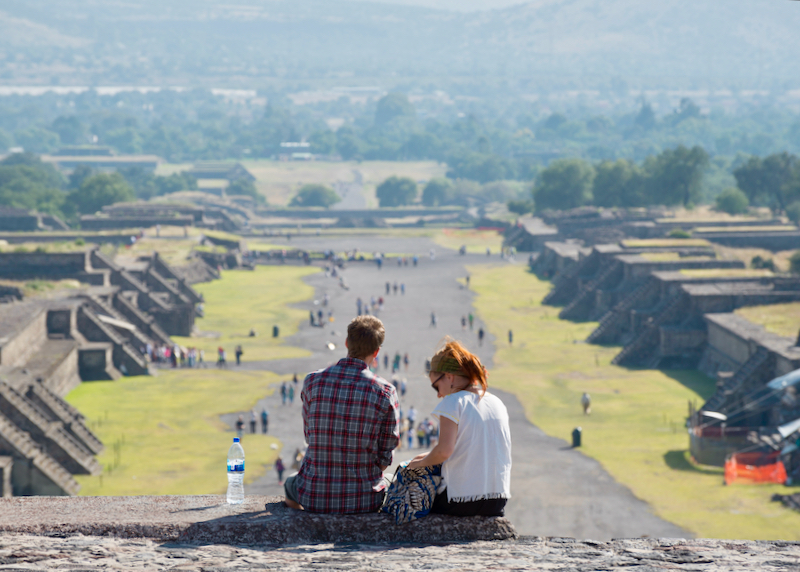
Teotihuacan moon pyramid avenue of the dead

Visitors are allowed to climb half way up the Pyramid of the Moon, which has the best views of the entire complex. ‘The Avenue of the Dead’ is the central spine running through the site.

Frequently Asked Questions about Teotihuacan


Where is Teotihuacan?

Teotihuacan is an ancient Mesoamerican city in central Mexico, located in the federal State of Mexico, in-between the modern towns of San Juan Teotihuacán and San Martín de las Pirámides. It lies some 50 km northeast of central Mexico City.

How big is Teotihuacan?
Teotihuacan covers around 20 square kilometers (8 square miles), though satellite communities are thought to have existed far beyond these boundaries (up to 30 square kilometers). The main tourist site today covers around 2.6 square kilometers (652 acres). At its peak 100,000 to 200,000 people may have lived here. Today around 47,000 people live in the adjacent community of San Juan Teotihuacán.

What is the history of Teotihuacan?
Teotihuacan was one of the largest and oldest Mesoamerican cities, with early communities forming here around 600 BC. The city proper was established during the “Teotihuacan I” phase (200 BC to 1 BC), while the city grew to be the biggest in the Americas in “Teotihuacan II” (1–350 AD). The famous Pyramids of the Sun and Moon were completed in this period. The city reached its peak during “Teotihuacan III” (350–650), when it became the predominant power of ancient Mexico, conquering rivals as far as Copán in modern-day Honduras. “Teotihuacan IV” marks the decline of the city between 650 and 750. The reasons for this are still debated, ranging from internal unrest (civil war), to ecological collapse (droughts). Small communities remained among the ruins however, and during the heyday of the Aztec Empire in the 15th century Teotihuacan was a sacred place of pilgrimage, the place where the sun was born. Major excavations and research began in 1905, and the city became one of the first Mesoamerican sites to be developed for tourism. Discoveries are still being made – excavation of a tunnel beneath the Temple of the Feathered Serpent began in 2010 and took several years.

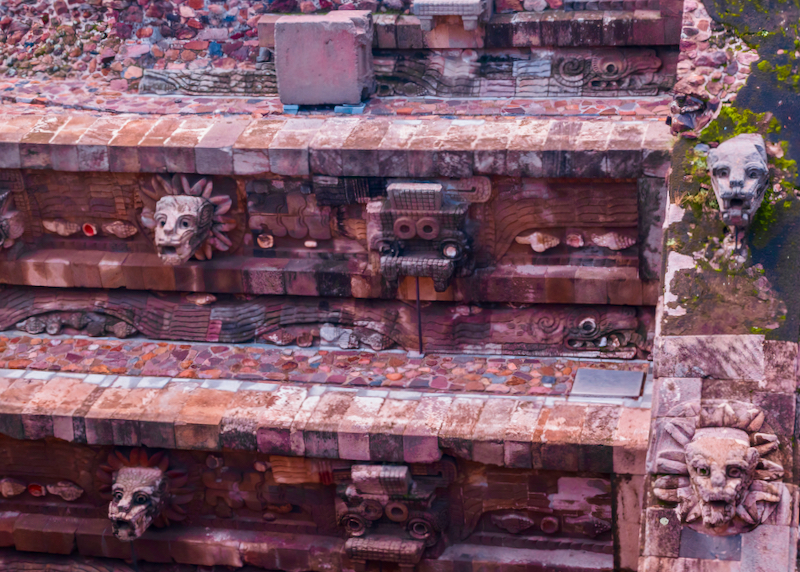
Teotihuacan Mexico ruins venus pyramid carvings

Amazing stone work and carvings at the Pyramid of Venus.

How do I get to Teotihuacan?
Most tourists visit Teotihuacan on day-trips from Mexico City. Taking an organized tour (with transport by bus included, from around 900 pesos) is the most convenient option and is easy to arrange at hotels in the city, but it’s also relatively straightforward to visit independently – a far cheaper option, and allowing more flexibility. Buses depart Mexico City’s Terminal del Norte (“Autobuses del Norte” metro stop, Line 5), every 20 minutes or so through the day to Teotihuacan via Autobuses Teotihuacan (www.autobusesteotihuacan.com.mx). It takes around 1 hour and costs around 110 pesos return. It’s usually a little faster to take the Metro to the Indios Verdes station (line 3) and take a bus to “Las Pirámides”.
Regular taxis in Mexico City are likely to charge well over 1000 pesos for the trip to Teotihuacan – take an Uber or the bus.
Amigo Tours is a recommended operator for guided tours of Teotihuacan – they offer early access tours which arrive before most of the other tour groups (amigotours.com.mx/mexico-city/sunrise-tour).

What about Uber?
Uber is available in Mexico City – one-way rides to Teotihuacan from the Zócalo in the center of Mexico City cost around 490 pesos.

Can I drive to Teotihuacan?
It’s relatively straightforward to drive to Mexico City from the US (it’s 590 miles/950 kilometers from Brownsville, Texas), but this not recommended. The Mexican border states of Nuevo León and Tamaulipas have been affected by drug cartel violence, and the roads in and around Mexico City are heavily congested and confusing to navigate. It’s also possible to rent a car once here and drive to Teotihuacan from Mexico City, but it’s much easier to take a bus or a guided tour, especially for first-time visitors.

Do I need a car in Teotihuacan?
No. The site itself is pedestrian only and small enough to explore on foot.

When is the best time to go to Teotihuacan?
Teotihuacan is a year-round attraction, but the best time to visit is during the dry season, from November to April – nights can be cold, but during the day it’s likely to be sunny and warm (especially March and April). Summers tend to be hotter and rainy. Aim to arrive early to beat the crowds; avoid Sundays and Mexican public holidays altogether, when the site is mobbed with visitors and long lines are common to climb the pyramids.

sun pyramid stone plaza

The massive stone plaza in front of the Pyramid of the Sun.

Where should I stay in Teotihuacan?
Most people visit Teotihuacan on a day-trip from Mexico City. Visit our Best Places to Stay in Mexico City guide for more info. It is possible to stay next to the ruins, which can make it easier to get an early start – our favorite is the Villas Teotihuacan Hotel Spa, within walking distance of Gate 1 (Puerta 1), with basic but adequate rooms and swimming pool.

What are the best things to do in Teotihuacan?
There’s only one reason to come here – the ancient ruins of Teotihuacan (officially “Zona Arqueológica de Teotihuacan”).

What are the facilities like?
Tickets are sold at each of the five entrances to the site, though toilets are only available at gates 1,2, 3 and 5. Gate 3 is the only accessible entrance (with ramps and walkways for wheelchairs). An official INAH bookstore at Gate 5 sells maps and guidebooks to the site. Souvenir and handicraft shops cluster around each entrance, and official guides are available for hire at all five gates.

Teotihuacan pyramid climbing steps

Climbing the steps of the various pyramids in challenging and fun.

What about food?
It’s worth exiting the site to eat at one of the restaurants just beyond the gates (it’s permitted to re-enter afterwards). Our favorite is La Gruta (200m west of Puerta 5), a fine restaurant charmingly located in an open-sided cave, with traditional dance performances and typical Mexican food. Las Pirámides, the official restaurant at Puerta 1, offers the best views of the pyramids and fairly decent Mexican food, as well as three-course set menus.

What currency is used in Teotihuacan?
The Mexican peso (often pre-fixed with a “$” sign) is the currency of Mexico and used in Teotihuacan – vendors in and around the site will often accept US dollars (albeit at poor exchange rates), though entry to the site itself will be paid in pesos.
Bring lots of peso cash for small purchases like bottled water and snacks.

Is Teotihuacan safe?
Yes. Teotihuacan itself has avoided the drug violence that has affected other parts of Mexico, and is generally free of petty crime.

Read More

Mexico City Restaurants

MexicoMexico City › Best Restaurants
Updated: March 7, 2022

See Also

The 13 Best Restaurants in Mexico City

  1. Pujol • $$$$
    The World’s 50 Best Restaurants 2019 list named it the best restaurant in Mexico and all of North America. Its creator, Enrique Olvera, is a rockstar in the world of chefs. His signature dishes offer a fancy reinterpretation of traditional Mexican cuisine. Diners can choose between a seven-course tasting menu and a nine-course taco bar in Japanese omakase-style. Bookings should be made well in advance.

    Location

  2. Quintonil • $$$$
    Quintonil regularly competes with Pujol for the first place as the best restaurant in Mexico and sometimes it beats it. Patrons have the option of ordering à la carte or choosing the ten-course tasting menu. The selection of ingredients by Jorge Vallejo, the chef, depends on the harvests of the season, so the menu changes constantly.

    Location

  3. Carmela y Sal • $$$
    In the 2019 edition of México Gastronómico, a culinary guide published by Larousse, Gabriela Ruiz was named the best chef in Mexico. The chef was born in Tabasco, a state in the south of the country, and she brings the essence of her childhood cuisine to her restaurant. With a keen ear that makes her a music lover, the chef uses synesthesia to create her dishes and the menu exudes rhythm and cadence. There are also options for vegans and vegetarians.

    Location

  4. El Huequito • $$
    If there’s a dish that represents Mexico City, it’s undoubtedly the taco al pastor. El Huequito, first opened in 1959, offers a “gourmet” version that arrives at the diner’s table topped with marinated onion, guacamole, and orange sauce, the house’s secret weapon. This veritable hole-in-the-wall (the literal translation for “huequito” is small hole) started out in a space that occupies a mere 11 square feet, but the restaurant now has branches throughout the city.

    Location

  5. Páramo • $$
    This place has no sign indicating its name, it’s open only in the evenings, and in speakeasy style, has gained popularity through word of mouth. Its menu offers a combination of the owners’ homemade recipes influenced by classic canteen fare. The atmosphere is unbeatable and they organize different events all the time, from social gatherings and pulque tastings to sets by famous DJs.

    Location

  6. El Cardenal • $$
    This is one of the most representative restaurants of traditional Mexican cuisine. Paying special attention to elaborating raw materials in house, they produce their own tortillas, bread, and chocolate. There are three branches in the historic center, one in the west of the city and one in the south.

    Location – various

  7. Rosetta • $$
    Rosetta is located in a beautiful house in the trendy Roma neighborhood. With chef Elena Reygadas at the helm, the restaurant is a local favorite on account of her creations. The menu is à la carte and changes regularly, depending on the products of the season. Rosetta’s bakery is even more popular than the restaurant, so much so that it even has its own premises in the Juárez neighborhood.

    Location

  8. La Esquina del Chilaquil • $
    Literally translated as “the corner of the chilaquiles,” this is one of the most popular street stalls in the city. The waiting time can last up to 40 minutes, which patrons gladly endure in order to get their hands on a torta de chilaquiles. This is nothing other than bread stuffed with beans and fried tortillas with salsa, cream, and cheese. The combination can seem a bit strange but diners are delighted and visit time and time again. “La Güera” and her relatives serve this delicacy to an eclectic crowd that includes office workers, hipsters, and housewives.

    Location

  9. Máximo • $$$
    This is one of the most revered restaurants in the city thanks to the creations of its chef, Eduardo García, which vary daily. That’s right, Máximo’s menu is not printed since he cooks something different every day based on seasonal products and whatever the mood strikes. The menu consists of three courses and can be enjoyed from Tuesday to Sunday. Bookings should be made in advance.

    Location

  10. Nicos • $$
    Homemade Mexican cuisine reaches new levels at this restaurant that has been seducing palates for over six decades. It starts the day by serving breakfast, and delicacies like Filete Nicolasa, beef in a crust of dried chiles with hibiscus sauce, can be found on the menu. July to September is chiles en nogada season in Mexico as that’s when the nuts used for the iconic sauce are harvested, and this restaurant’s take on the dish is a classic. It’s very popular among locals, so it’s recommended to book in advance.

    Location

  11. Dulce Patria • $$$$
    An unforgettable experience awaits locals and travelers in a dining room decorated in red, Mexico’s “primary color”, and gold to evoke the hues attained by corn. The renowned chef Martha Chapa experiments with the essence of Mexico and crowns her creations with flowers and some of the country’s quintessential ingredients. Her flagship cocktails and aguas frescas —flavored water— deserve a special mention. Like the dishes on the menu, they’re made from traditional ingredients.

    Location

  12. Azul Histórico • $$$
    Located in the courtyard of a beautiful building in the historic center, this is a restaurant that rescues the traditional flavors of the country and reinvents them through the cuisine of Ricardo Muñoz, known as “the anthropologist of Mexican cuisine”. The menu is à la carte and, in addition, there is a “festival” each month dedicated to a different dish or ingredient. This is a well-known spot among the international crowd, so bookings are essential.

    Location

  13. Campobaja • $$
    In this corner of Baja California located in Mexico City’s trendy Roma neighborhood, diners can sample the perfect combination of seafood and traditional Mexican antojitos —snacks or hors d’œuvre— such as sopes, quesadillas or tacos. The cuisine is simple but exquisite, with seasonality at the forefront given that the dishes are prepared with the fresh ingredients that chef Ezequiel Hernández receives every day.

    Location

Read More

Los Cabos Restaurants

MexicoLos Cabos › Best Restaurants
Updated: March 7, 2022

See Also

The 6 Best Restaurants in Los Cabos

  1. Los Tamarindos • $$-$$$ • San Jose, Puerto Los Cabos
    Organic dining in Los Cabos
    Casual, Mexican fine dining on a seventeen-acre organic farm. This gorgeous restaurant is hosted in a nineteenth-century farmhouse with vines growing up the brick walls and a rustic palapa roof. Tables are arranged on the wraparound porch overlooking the farm and orchard, which blooms with local produce year-round. Fresh Baja cuisine with a Spanish flair is served in generous portions; succulent meat and hearty vegetarian dishes both feature prominently on the menu. Cooking classes are available twice a week and conclude with a family-style meal. The restaurant is tricky to find, about 2 km inland from the marina and estuary on a dirt road rife with potholes. Free parking. Reservations strongly recommended.

    Location

  2. Las Cazuelas del Don • $ • San Jose, Downtown
    Cheap eats in Downtown San Jose del Cabo
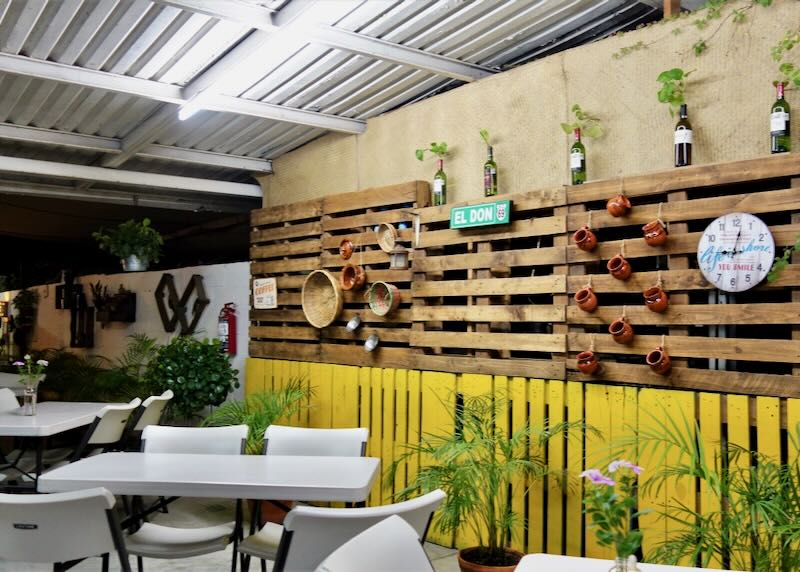
    Low-key restaurant run by a husband and wife team, serving a rotating menu based on the Seven Deadly Sins. Decadent meat and veggie stews are slow-cooked in traditional clay pots, with three or four different dishes to choose from nightly. Order “quezuelada” style to have them topped with bubbling cheese. Each dish is served over the diner’s choice of tacos, tortas, potatoes, or tostadas. Pair with a cold beer or frozen tequila. The restaurant sits on a residential street downtown with ample street parking.

    Location

  3. Mi Cocina • $$$$ • San Jose, Downtown
    Romantic restaurant San Jose del Cabo
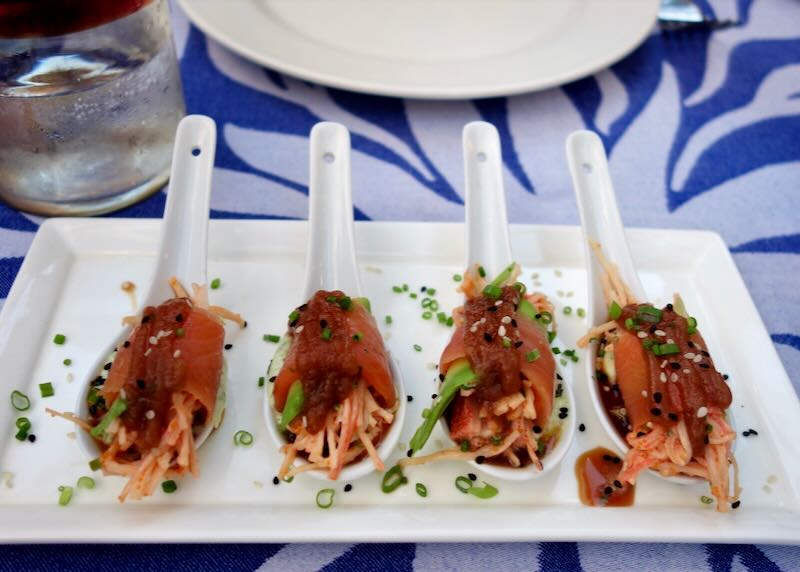
    Romantic, fine dining restaurant, offering a unique Euro-Mexican menu. Mi Cocina is tucked back from the road in the tranquil courtyard of boutique hotel Casa Natalia, lit by candles and fairy lights with flowing fountains muting any street noise. Featuring a creative seasonal menu, a stellar wine selection, and perfectly mixed cocktails, this is easily the best restaurant in Downtown. Do not miss their B.O.B. spoon appetizer, featuring tequila-cured salmon and crab! Centrally located on Plaza Mijares; there is a small parking lot in the main square out front, as well as street parking around the corner on Alvaro Obregon.

    Location

  4. The Hangman (aka Taqueria El Ahorcado) • $ • San Jose, Downtown
    Late night restaurant San Jose del Cabo
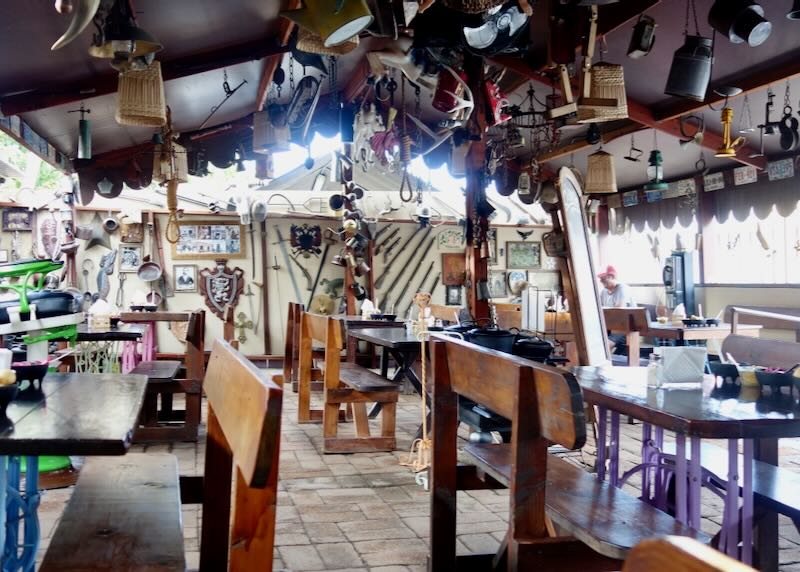
    This has long been a favorite restaurant for travelers and locals. The Hangman features flavorful tacos with a variety of fillings, from roasted pork pibil or squash blossom to more traditional flavors, such as huitlacoche or beef tongue in mustard. Its eclectic décor is another stand out feature, incorporating old sewing machine tables, with the foot pedals still attached, along with pots and pans, and of course, a hanged man dangling from a noose at the entrance. This late-night spot opens around seven, and its stellar menu, strong drinks, friendly service, and live music keep this place crackin’ until midnight. Ample, free street parking out front.

    Location

  5. Restaurante Los Tres Gallos • $$-$$$ • Cabo San Lucas, Downtown
    The best restaurant in Cabo San Lucas
    Hands-down, the best restaurant in Cabo San Lucas. Specializing in authentic Baja cuisine, such as conchinita pibil (slow-roasted pork), along with traditional Mexican favorites, like mole poblano, huitlacoche, and carnitas de Chamorro. Mouthwatering dishes come in shareable sizes, and the bar features a wide selection of tequilas and mezcals. Its atmosphere is casual yet romantic, set in a brick-walled courtyard with fruit trees, string lights, and mariachis. Street parking is easy to find here. Bonus: they’ve just opened a taco bar by the marina.

    Location

  6. La Lupita Taco & Mezcal • $$-$$$ • San Jose, Downtown
    Best taco restaurant in San Jose del Cabo.
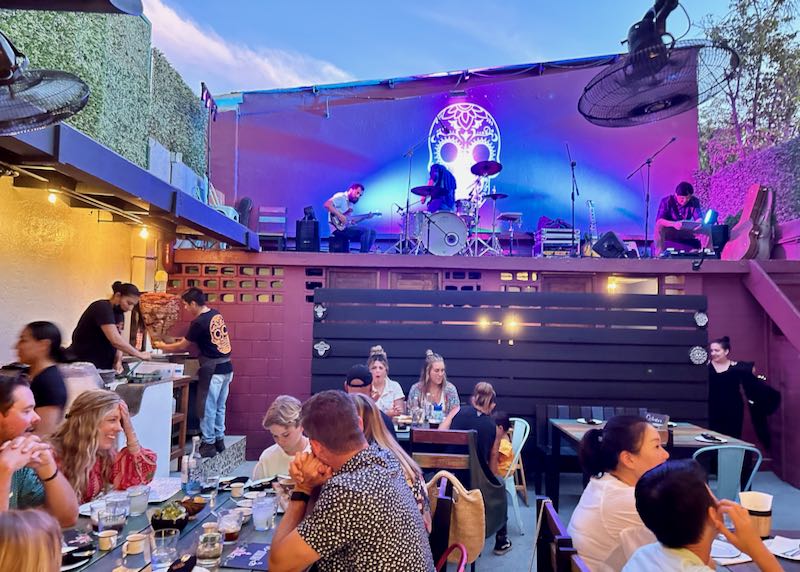
    Stylish cantina with a wide selection of mezcals and wild variety of tacos. Not just any run-of-the-mill taco bar, creative flavors here include duck mole, miso fish, and pibil suckling pig, alongside classic pastor and barbacoa. Their mezcal menu is extensive, with drinks served in jicaras (hollowed gourd halves) with lime and powdered worm on the side. Tasting flights are available, as is the harder to come by raicilla, an agave-based liquor best described as Mexican moonshine. Décor is shabby chic and artistic, with sculptures of the Virgin of Guadalupe (their namesake), sugar skull wall art, weathered wood, and hot magenta. Live music every weekend night. Street parking can be hard to find.

    Location

Read More

Best Things to Do in Los Cabos

MexicoLos Cabos › Best Things to Do
Updated: March 6, 2022

See Also

Top 10 Things to Do in Los Cabos

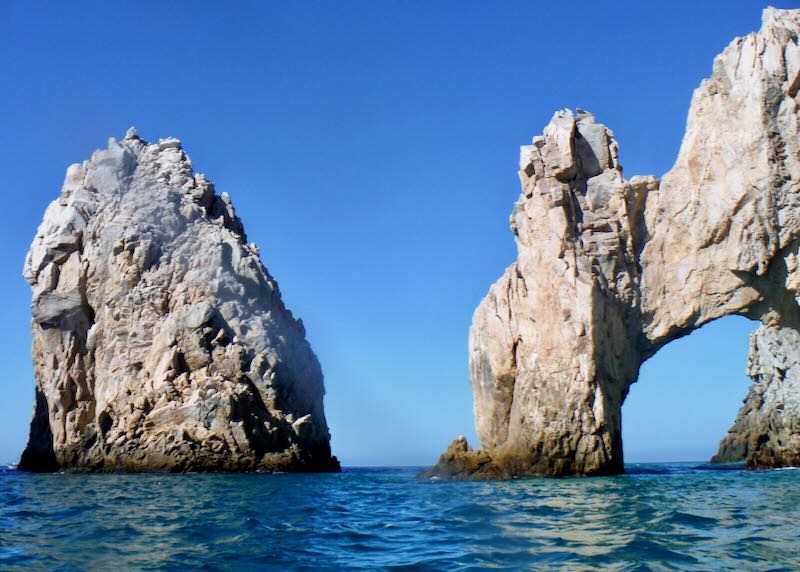
  1. Kayak to El Arco

    Kayaking and snorkeling at El Arco in Los Cabos
    Highly recommended! El Arco (the arch) is Cabo’s most iconic landmark, a striking rock formation rising from the southernmost point of the Baja Peninsula, where the Pacific Ocean becomes the Sea of Cortez. The best way to visit El Arco is by kayak; this is the only way to access the cove and get up close to the arch, as larger boats are unable to maneuver the tight space there. Tours last about 3.5 hours, with the price inclusive of hotel transfer, life vests, snorkel gear, and refreshments and snacks. Kid-friendly for swimmers ages 7 and up. The Cabo Half-Day Luxury Sailing Adventure with Snorkeling is also highly recommended.

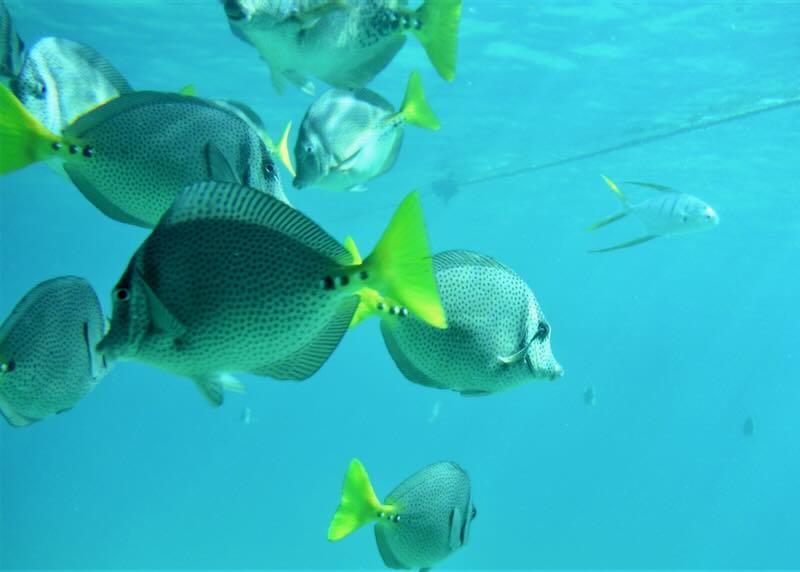
  2. Snorkel the Sea of Cortez

    Where to snorkel in Los Cabos, Mexico
    Called “The Aquarium of the World” by Jacques Cousteau, the Sea of Cortez is one of the world’s richest marine environments. Thousands of unique species are found here, from sea lions to sea turtles, from colorful reef fish to mobula rays – a type of manta ray that leaps out of the water. The dazzling blue waters in this gulf are gentle for most of the year, though temperatures vary; the warmest months for snorkeling are June through December. Explorers can snorkel on their own, swimming off the coast at Santa Maria, Chileno Bay, or day tripping up to Cabo Pulmo. For guided tours, try Cabo Trek for the best private trip or Esperanza’s Tours for a fantastic, affordable tour for couples or smaller groups.

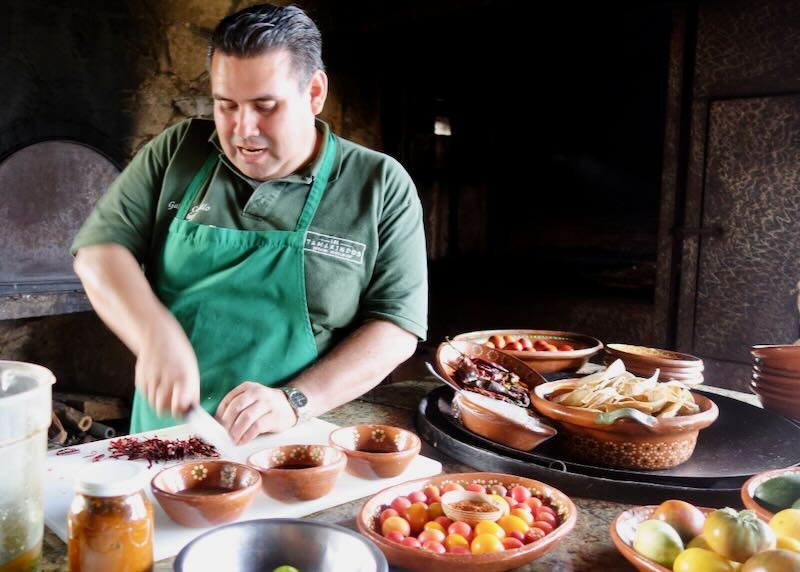
  3. Learn to Cook Baja Style

    Cooking class at Los Tamarindos, Los Cabos, Mexico
    A hands-on cooking class is an amazing way to connect with Baja culture. Most classes begin with a trip to the local market or farm, where students will learn about indigenous ingredients and how to choose them. Authentic recipes for ceviche, salsas, mole, tamales, and more are taught in restaurants or home kitchens in classes that usually last around four or five hours, including time to eat your creations. Casa de Colores and Cookin’ Cabo offer home-cooking, family-friendly classes in Cabo San Lucas, while Huerta Los Tamarindos is on a charming organic farm, slightly more upscale, and has amazingly delicious food.

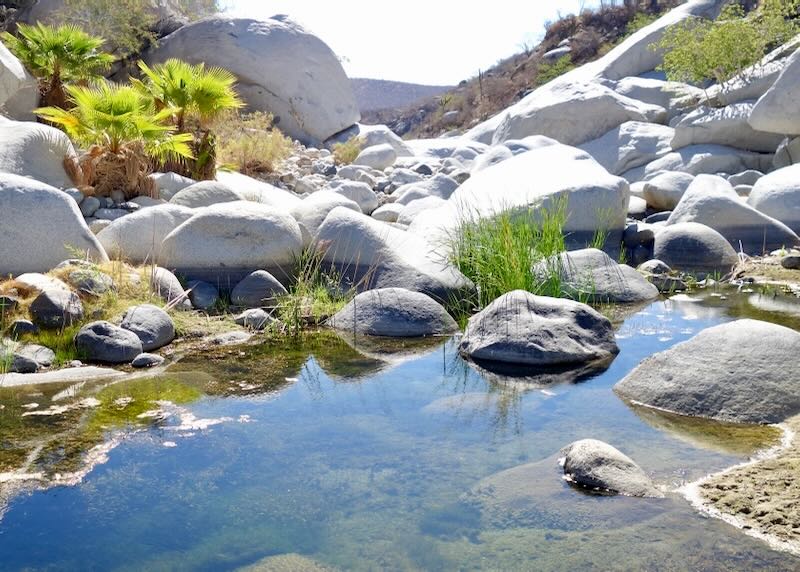
  4. Explore an Oasis at Sierra de la Laguna

    Hiking in the Sierra de la Laguna
    Sierra de la Laguna offers a striking contrast to the deserts of Los Cabos: a lush oasis with waterfalls, cold granite pools, natural waterslides, hot springs, and leafy green trees. To find the best spots in this pristine UNESCO biosphere reserve, travelers will definitely need a guide. Baja Sierra Adventures is the single best tour operator for Sierra de la Laguna. Owner Edgardo Cortes takes guests on multi-sport treks – hiking, biking, and swimming all of the area’s hidden wonders. Day trips, overnights, or multi-day excursions all include intimate dining at working ranches, mingling with the locals, and sometimes tortilla-making lessons over an open fire. Tours are adaptable for each group and can be easy to strenuous, great for families or couples. Available year-round, except for August and September. Travelers will need to rent a car to get to Santiago, the tour’s home base.

  5. Amazing Cabo Bar Crawl

    Best bar crawl in Los Cabos
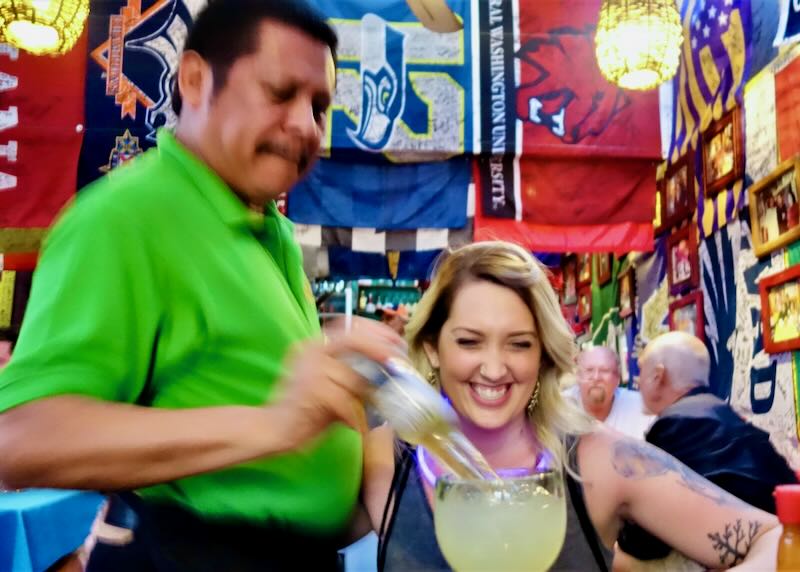
    Cabo San Lucas is known for its wild nightlife scene, and the best way to learn the hotspots is on a pub crawl. Drink and dash through 4 or 5 bars in about three or four hours, solving puzzles and completing challenges along the way (though every tour can be quite different depending on your guide).

  6. San Jose Art Walk

    Art walk in San Jose del Cabo
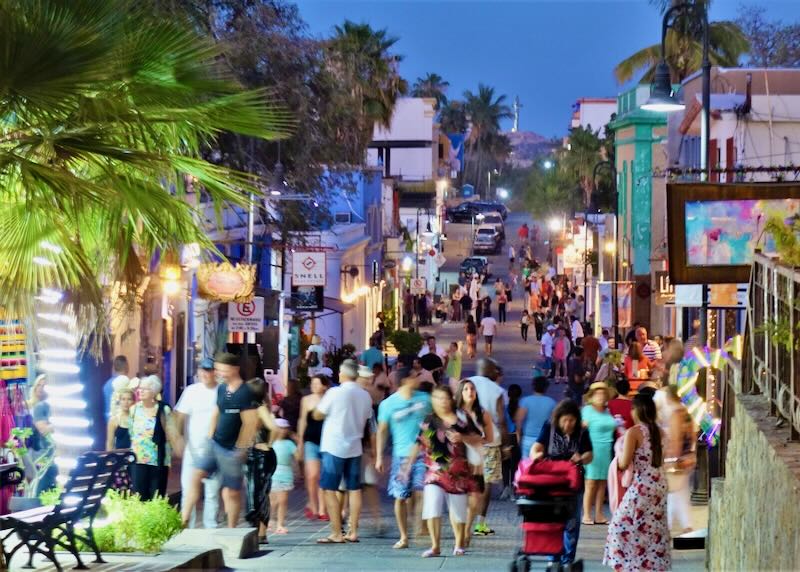
    Spend an evening walking through the art galleries in historic downtown San Jose, when the town’s quaint, Spanish colonial streets fill with colorful street performers, food stalls, musicians, and dancers. Superb local artwork here ranges from painting to sculpture to jewelry and beyond, each gallery with its own unique flair. Travelers can sample wine and tequila in the galleries or stop by the local cantinas for tacos, margaritas, and ceviche. The Art Walk is a free, all-ages event that takes place every Thursday evening between 5 and 9 from November through June. The main galleries are located on Obregon, Morelos, Guerrero, and Comonfort streets. Maps are available at any storefront and are helpful for finding the smaller galleries on the side streets. Tours are available but totally unnecessary.

  7. Burrito Safari

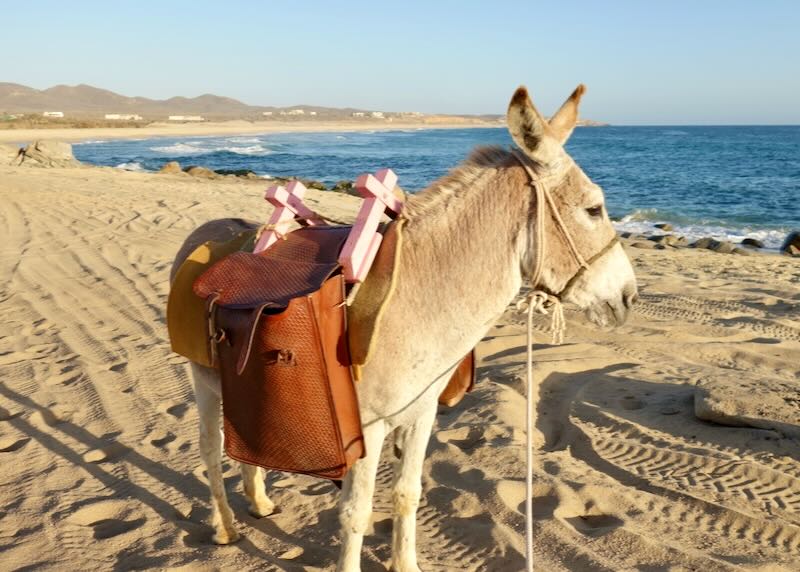
    Rancho Carisuva donkey hike, Los Cabos
    Enjoy Rancho Carisuva’s sunset or morning hike with a trusty little donkey (burrito) as companion. In this unique hike, guests will explore the Baja desert landscape, learn about local plants and wildlife, and take a break at a seaside clifftop lookout, where your friendly burro will offer beer and snacks. The hike back to the ranch follows a pristine beach. This is part of a rescue program that helps donkeys who have been abused or abandoned by local farmers and miners due to technological advances. The Burrito Safari is family-friendly and can be combined with ATV tours or horseback riding. Tours last about two hours, and rates include beer, water, and snacks, plus round-trip transportation. Guests may choose to provide their own transportation and get 30% off the tour price.

  8. Swim with Sharks

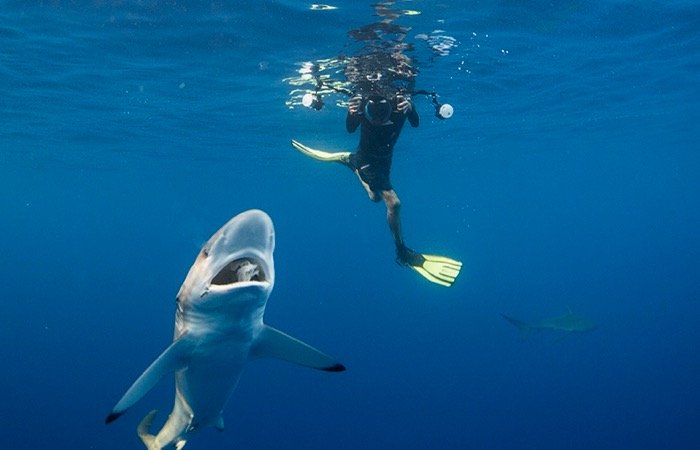
    Swimming with sharks in Los Cabos
    Cabo Shark Dive’s exhilarating tour offers a rare chance to safely swim, snorkel, or dive in the open water (no cages) with these apex predators. The Sea of Cortez is home to a variety of sharks that can be seen year-round, but this area is especially great for spotting silkies, blues, makos (the world’s fastest), and hammerheads that begin to gather here every March. Though sharks are the main attraction, guests may also get the opportunity to swim with other marine life, such as dolphins, sea lions, whales, and manta rays. Tours last roughly 5 hours, depending on how fast the sharks find the chum; guests will need to wait patiently. Very occasionally, no sharks will come. It’s rare that this happens, but in this case, guests will be offered a second tour at 50% off. Ages 13 and up only; minors must be accompanied by an adult.

  9. Lovers Beach and Divorce Beach

    Lovers Beach and Divorce Beach
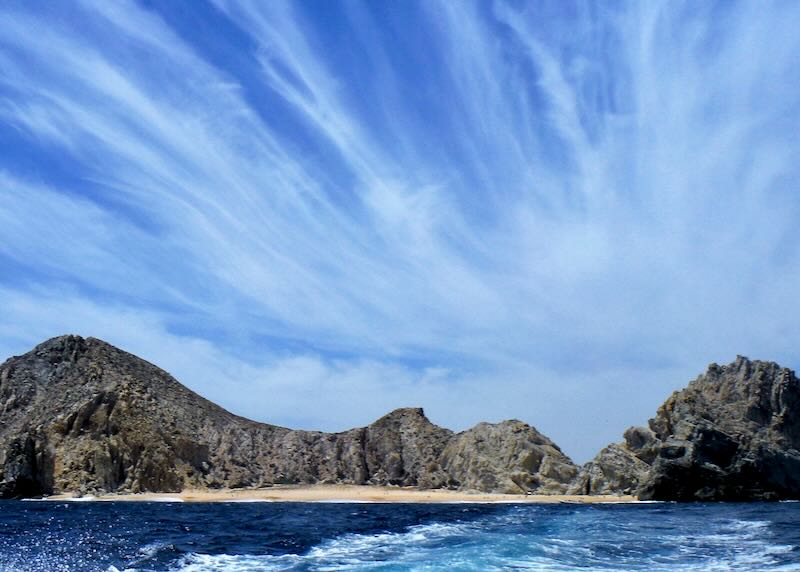
    These twin beaches jut out into the Sea of Cortez near El Arco, with Lovers Beach facing the calm gulf side and Divorce Beach facing the choppy Pacific. The water on the Lovers side is popular for snorkeling and swimming; the Divorce side is best for lounging, but the water is too rough to swim. Travelers will need to bring their own towels and umbrellas, but there usually are locals selling beer and refreshments. Lovers and Divorce less crowded than the main Medano Beach, because they are harder to get to. Most people take a water taxi to get there. Be advised that there is no dock on the beach side; the captain will pull up as close to shore as they can, and guests will then need to jump out and negotiate their way to the beach. There are locals who will help people ashore and handle their gear, usually for another 80 pesos ($5 USD). Another option is to hike to the beaches from the Grand Solmar, a moderate hike but not for novices. It only takes about 10 to 15 minutes to scrabble over the rocks. Stick to the inside, and don’t try to get by on the beach side.

  10. San Jose Estuary

    Bird sanctuary in Los Cabos, Mexico
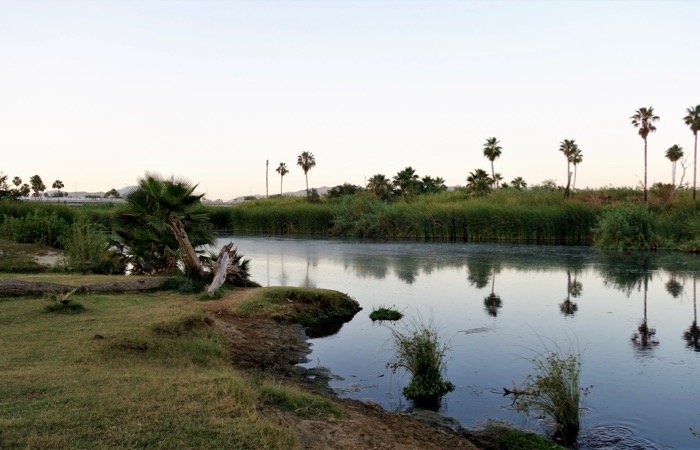
    A marshy, freshwater lagoon and bird sanctuary, the San Jose Estuary is fed by an underwater river and covers about 2000 acres, including a thin strip of beach. Several hundred local and migrating bird species are found here, including Great Blue Herons, White-faced Ibis, and endangered Belding’s Yellowthroats. A little trail cuts through the area for hiking or biking, while kayaking is popular in the lagoon. Be sure to stop by the Wirikuta Cactus Garden just to the west of the Estuary, which houses about 1800 varieties of cacti as well as a sculpture garden. The Estuary is about 10 minutes’ walk from Downtown San Jose or 15 minutes bicycling from the Hotel Zone.

Read More

Los Cabos with Kids

MexicoLos Cabos › For Families
Updated: March 6, 2022

See Also

Top 8 Family Activities in Los Cabos, Mexico

Los Cabos, Mexico has long been known as a hot getaway for honeymooners, sport fishermen, and spring breakers. The truth of the matter is that this sunny destination at the tip of the Baja Peninsula also makes a fantastic getaway for families.

Visitors quickly fall in love with the dramatic natural beauty of white-sand beaches, mysterious desert hills, the mighty Pacific Ocean, and the incredible turquoise waters of the Sea of Cortez. Just a short flight from most US gateways and home to two distinct cities, Los Cabos offers beautiful resorts, world-class activities, and plenty of charm. Cabo San Lucas (often known simply as “Cabo”) is the bustling heart of the action, with magnificent views of the iconic arch at Land’s End, restaurants, shops, and beautifully swimmable Médano Beach. San José del Cabo is the colonial sister city, with quaint boutiques and a historic plaza. Between the two cities lies the sun-swept 20-mile stretch of beaches known as the Tourist Corridor.

From one end of Los Cabos to the other, families will find plenty of fun both on land and sea. Here are some of our top picks for a fantastic family getaway with the kids:

1. Pirate Ship Cruise

Los Cabo Boat Tour for Kids
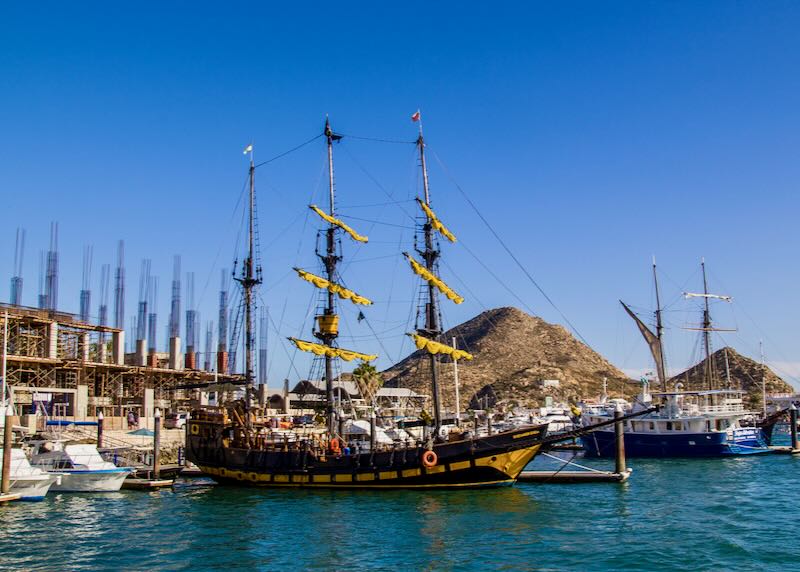
The Buccaneer Queen is a magnificent tall ship that has appeared numerous times in film and TV. Boat tours include options for sunset sails, whale watching, swimming, and snorkeling. You’ll admire the postcard-pretty views and kids will love the onboard pirate fight.

2. A day at the Beach

The warm beaches of Los Cabos offer the perfect setting for a sun-drenched day of beachcombing and sandcastles. Because of the strong confluence of the Sea of Cortez and the Pacific at the tip of the Baja Peninsula, strong undertows make many beaches unsafe for swimming. However, the gentle waters of Médano Beach in Cabo San Lucas are a family favorite and this stretch is fantastic for people-watching. For an added bit of fun, head out on a snorkeling tour to experience the vibrant underwater sea life of what Jacques Cousteau called “the World’s Aquarium.” (The Cabo Half-Day Luxury Sailing Adventure with Snorkeling is excellent.) And, of course, no trip to Cabo San Lucas is complete without a water taxi ride out to scenic Lover’s Beach, located near the famous arch. While the beach offers no services, it’s a great spot to spend a few hours playing in the sunshine. On the Tourist Corridor, Santa Maria Bay and Chileno Bay are must-sees for their beautifully protected waters.

3. Whale Watching

California gray whales make a remarkable annual migration from Alaska each year to the warm waters of the Sea of Cortez to give birth. Whale watching in Los Cabos during the winter months with an experienced guide is a truly unforgettable experience that will move visitors of any age. Whale mothers have been known to bring their young right up to vessels to get a close look at the gawking, awe-struck humans aboard.

4. Work off some steam at the playground

While you won’t find much in the way of children’s play areas in Cabo San Lucas, in the San José del Cabo area there’s a pleasant park (Parque Ballena) with kids’ equipment located between the Mega shopping center and Plaza Garuffi, toward the west end of the hotel zone.

5. Glass Factory

Stop in to see glass-blowing artisans at work in this busy Cabo San Lucas workshop. In operation for over two decades, the glass-blowing factory employs over 30 highly-skilled artists who produce hundreds of pieces every day. Kids will find the process fascinating and there’s an on-site gift shop with unique hand-blown items to browse. While many tour operators offer this as a guided activity, you’re free to show up on your own in your rental or a taxi.

6. Turtle Release

Every year, several species of endangered sea turtles nest in the warm sands of Los Cabos. Conservation efforts focus on ushering the fragile, tiny hatchlings safely into the sea. Baja Outback Adventures offers a certified naturalist-led program in which participants can “adopt” a hatchling and help them make their way into the Sea of Cortez.

7. Horseback Riding

Explore pristine beaches and beautiful desert scenery as you ride with Cuadra professional horseback riders. Towering desert cacti and sparkling ocean vistas will make this a ride to remember.

8.Zip Lines

The zip-line tours offered by Wild Canyon will have you and the kids soaring over desert arroyos as you admire the dramatic Baja scenery and views. Highly trained guides help ensure a fun-filled experience.

Read More