Author Archives: Mexico Dave

San Miguel de Allende Travel Guide

Mexico › San Miguel de Allende
Updated: March 2, 2022

See Also
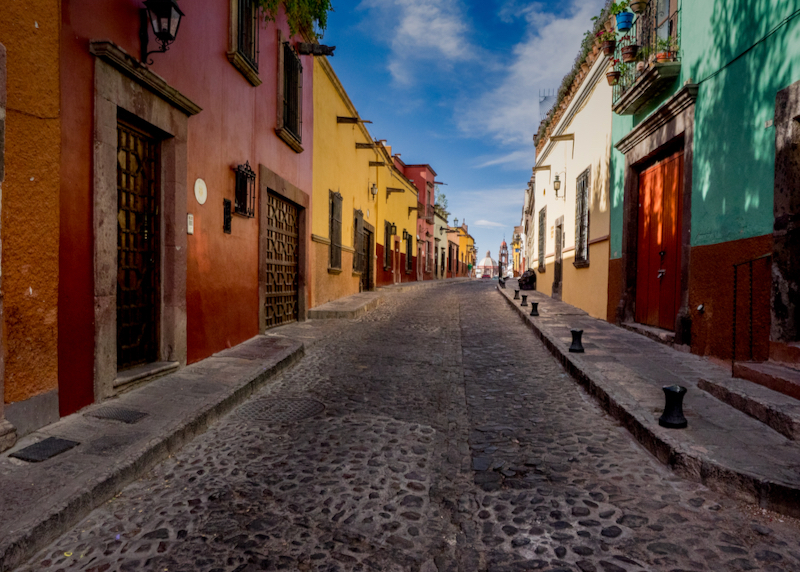
San Miguel de allende cobblestone streets

San Miguel de Allende is famous for its colorful cobblestones streets.

Frequently Asked Questions About San Miguel de Allende

Where is San Miguel de Allende?

San Miguel de Allende is located in the eastern part of Guanajuato, a state in central Mexico. With an elevation of just over 6,233 ft. (1,900m), it is one of the most visited cities in the country. It’s about 170 miles from Mexico City (273 km) and 39 miles from Querétaro (61 km).

How big is San Miguel de Allende?

San Miguel de Allende occupies an area of about 950 miles, which represents only 5% of the entity’s territory. Its population is around 70,000 people and over 20% of its inhabitants are foreigners, with at least half of these coming from the United States. This is a city that’s popular with expats.

What is the history of San Miguel de Allende?

In 1542 the Franciscan friar Fray Juan de San Miguel founded the town of San Miguel el Grande. In 1826 it reached the rank of ‘city’ and changed its name to the current one, in honor of Ignacio Allende, known as one of the heroes of the Mexican Independence. Since the 1950s, it has become a popular tourist destination among American tourists who spend long seasons in it or have made it their home.

How do I get to San Miguel de Allende?

There are two major airports near San Miguel de Allende. The Mexico City airport is almost four hours (168 miles) away and the one in Querétaro is 55 miles —just over an hour and twenty minutes— away by car. The former has flights and connections from practically all over the world, and the main national airlines operate in the latter, as well as some from the United States, such as American Airlines and United Airlines.
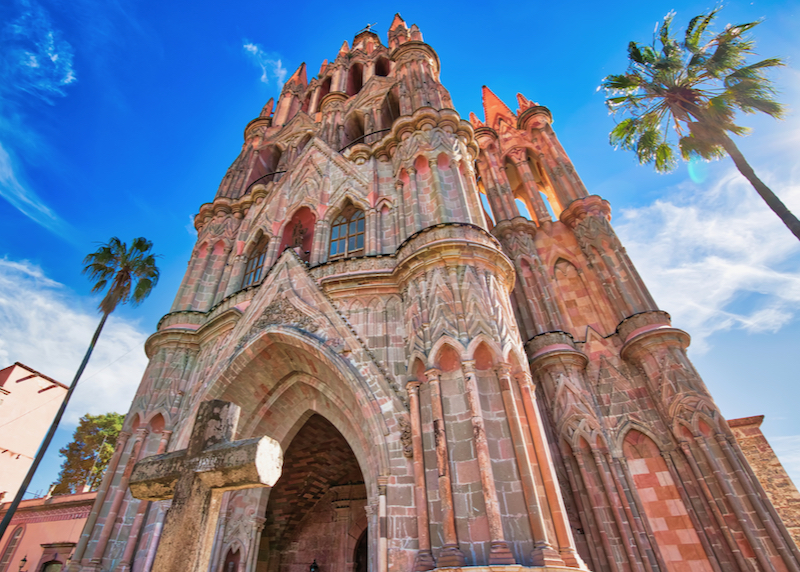
church facade

The facade of the iconic Parroquia De San Miguel Arcangel Cathedral in the center of the city.

When is the best time to go to San Miguel de Allende?

The temperature in San Miguel de Allende oscillates between 72 and 90 degrees Fahrenheit all year round, so practically any time is good to schedule a visit. However, the city is much more enjoyable between November and April since rain is scarce during these months. One of the most festive dates to spend in San Miguel is September 15, since this is when the anniversary of the Mexican Independence is celebrated and the city played an important role in it.

What neighborhoods should I visit in San Miguel de Allende?

The historic center of San Miguel de Allende shouldn’t be missed on account of its spectacular colonial buildings. This area houses many of the city’s main attractions, such as churches, markets, and museums. It’s also a good idea to visit Los Frailes, one of the city’s fanciest neighborhoods, as it offers views of the lake, the mountains, and of beautiful sunsets. La Candelaria, an exclusive country club-style development, is just a 5-minute drive from the city center and it’s where the city lights can best be appreciated at night.

Where should I stay in San Miguel de Allende?

The best area of San Miguel de Allende to stay in is around the Parroquia de San Miguel Arcangel, in the center of the city. Being a city devoted to tourism, there are plenty of accommodations to suit all budgets. The most expensive and exclusive hotels are the Rosewood, Live Aqua, L’Ôtel at Dôce18, Matilda, and Casa de Sierra Nevada. Other excellent and slightly more accessible options are Hacienda El Santuario, Ilo Rojo and Hacienda Los Picachos. In addition, very good accommodation options can be found on Airbnb.
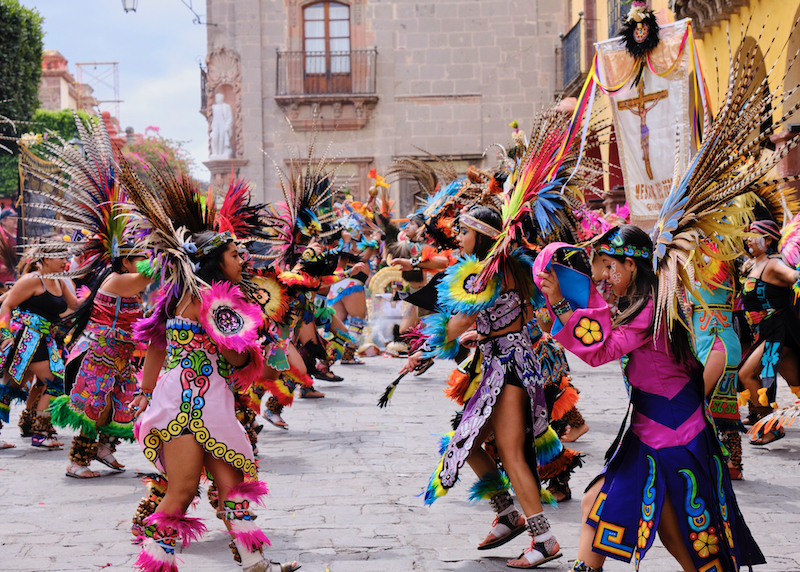
San Miguel de allende folkloric dancers

Dancers in pre-Hispanic costumes performing in the city center.

How do I get around in San Miguel de Allende?

Most of San Miguel de Allende’s points of interest are located in the center of town and the first square of the city, so it’s best to explore them on foot. It’s highly recommended to wear comfortable shoes on account of the cobblestone streets. An attractive option for visitors is to get on the tourist tram that runs through the historical points of the city for approximately 1 and a half hours. It’s also relatively easy to find a taxi on the main streets and it’s advisable to negotiate the price with the driver before boarding it. Another option is to use Uber services.

What are the best things to do in San Miguel de Allende?

Visiting the Parroquia de San Miguel Arcangel, the emblem of the city, is the number one activity for any first-timer to San Miguel de Allende. Other highly recommended activities are walking along Aldama Street, the most beautiful in town, taking pictures of the views from El Mirador, and visiting the handicraft market and La Aurora, an old textile factory converted into a cultural and design center with galleries, workshops, and restaurants.

How many days should I spend in San Miguel de Allende?

San Miguel de Allende is a beautiful city with many tourist attractions and a renowned culinary scene, so it’s best to allocate at least two days to visit it. In its surrounding areas, there is an archaeological zone, a botanical garden, an adventure park, and a sanctuary, among many other interesting activities, so there is always something to do even if the stay lasts a week.

What currency is used in San Miguel de Allende?

The official currency of the country is the Mexican peso, which is why it’s used in San Miguel de Allende. Being a city with many foreigners, visitors, and residents alike, in many businesses they accept US dollars, although the exchange rate offered will not be as favorable as the official rate. The average exchange rate is about $20.50 pesos per US dollar. It’s best to withdraw cash from an ATM for street purchases and to pay with a credit card in hotels, restaurants, and galleries.
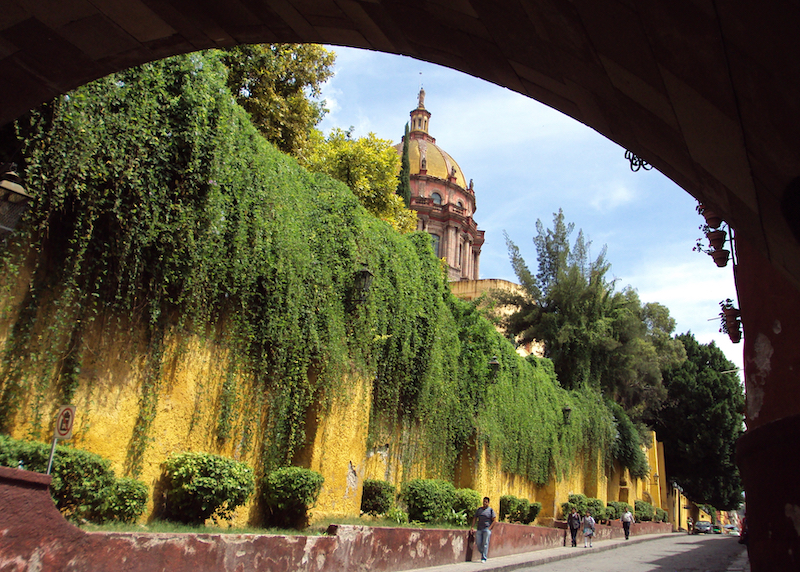
San Miguel de allende bridge with hanging plants

The streets of San Miguel are full of beautiful flowers and vegetation.

Should I tip in San Miguel de Allende?

In Mexico, there is a culture of tipping and it’s deeply rooted in places as touristy as San Miguel de Allende. In bars and restaurants, it’s normal to leave between 10% and 15%. There is no standard for tour guides, but $5-10 is recommended. It’s also advisable to leave the housekeeper a tip at the end of a hotel stay.

Is San Miguel de Allende expensive?

Prices in San Miguel de Allende are higher than in other colonial cities around the country, but visitors can make their stay as expensive or as cheap as they wish given that there are options for all budgets. Travelers arriving from the United States, Canada, or a European country are likely to find it as an affordable destination.

What should I eat in San Miguel de Allende?

The culinary scene in San Miguel de Allende is very interesting. Restaurants serving international and fusion cuisine stand out the most and among the ones that visitors should try are: Quince, with its spectacular terrace, La Parada, offering Peruvian cuisine as good as the one served in Lima, Luna Rooftop, specialized in tapas, and Áperi, which works only with local producers to guarantee the food’s freshness.

Is San Miguel de Allende safe?

San Miguel de Allende is one of the most important tourist destinations in the country so the authorities take great care of safety in the region. However, it’s important for visitors to follow the basic recommendations found anywhere, such as not going out with flashy jewelry or a lot of cash and taking care of belongings in public places.

Read More

San Luis Potosí Travel Guide

Mexico › San Luis Potosí
Updated: March 2, 2022

See Also

San Luis Potosí is another less-visited gem that’s one of our favorite cities in the Bajío. Dripping with historic charm, the old center is known for its colonial churches, hotels, and enticing art museums.

Frequently Asked Questions about San Luis Potosí

Where is San Luis Potosí?

San Luis Potosí is the capital city of the Mexican state of San Luis Potosí, in the region of central Mexico known as the Bajío.

The city lies about 400 km northwest of Mexico City, 330 km northeast of Guadalajara, and 175 km north of San Miguel de Allende. Non-stop flights to San Luis Potosí take 1 hour 15 minutes from Mexico City, 1 hour 55 minutes from Houston, 2 hours from Dallas, 2 hours 10 minutes from Cancún, and 2 hours 40 minutes from Tijuana.

How big is San Luis Potosí?

San Luis Potosí has a greater metro population of just over 1.2 million, with the main part of the city covering a circular area some 14km across.

What is the history of San Luis Potosí?

Built on land once inhabited by the Chichimeca, San Luis Potosí traces its roots to the foundation of a Franciscan mission in the 1580s, but the city was formally established in 1592 as a supply camp for nearby gold and silver mines. The city grew rapidly, becoming one of the wealthiest and most beautiful in Mexico. San Luis is still prosperous today – most of the silver is gone but working mines churn out zinc and lead – with a considerable modern industrial base.

How do I get to San Luis Potosí?

San Luis Potosí is connected to Tijuana, Dallas, and Houston by non-stop flights, plus several other cities within Mexico. Most flights from Canada or Europe route through the US or Mexico City. The airport is around 25km north of downtown. Take a taxi into the city (pay at the dedicated kiosks before you get in, credit cards accepted). Rates are set according to a zone system, with most trips around 350 pesos.

Within Mexico, first-class long-distance buses are an economical and comfortable alternative to flying – buses to San Luis Potosí from Monterrey (6 hours) and Mexico City (5 to 6 hours) operate hourly. The city’s bus station, the Terminal Terrestre Potosina (or TTP), is around 3km east of the city center on Hwy-57; take a taxi to your hotel (buy a ticket before you leave the bus station, around 50 pesos).

Can I use Uber in San Luis Potosí?

Uber does operate in San Luis Potosí (assuming phones have roaming, and the app works), but drivers can be reluctant to pick-up from the airport due to hostility from the airport taxi union. However, you should be able to get an Uber back to the airport for as low as 150 pesos. Once in the city, getting an Uber should be no problem, though rates are comparable with regular taxis (and more expensive during rush hour).

Can I drive to San Luis Potosí?

Driving to San Luis Potosí from down from the US border is relatively straightforward – the main highways are good, and virtually empty outside the towns. However, the Mexican border states of Nuevo León and Tamaulipas have been affected by drug cartel violence – driving at night is definitely a bad idea. Check the latest travel advisories at travel.state.gov or ask your hotel. You’ll also need a Mexican “Temporary Importation of Vehicle Permit”.

From Brownsville, Texas the drive is around 410 miles (660 km) and takes around 8 hours non-stop. San Luis Potosí is also 535 miles (860 km) from Laredo, Texas (8 to 9 hours).

If you are renting a vehicle, it’s much easier to do this once across the Mexican border, as taking US rental vehicles into Mexico comes with all sorts of restrictions.

Do I need a car in San Luis Potosí?

You can explore most of the city center of San Luis Potosí on foot making cars unnecessary; if you’d rather not walk, call an Uber or take a local taxi (all taxis have meters and are easy to hale on the street). The city has an excellent public bus system (fares 9.80 pesos) but you are unlikely to need it.

When is the best time to go to San Luis Potosí?

San Luis Potosí boasts a year-round temperate climate, with the driest and sunniest months October to April. Rain is most common June to September. There’s no real “bad” time to visit, though it can actually get chilly December to January. March through June is probably best, when the weather is pleasantly warm, the days generally dry, and crowds low-key.

Where should I stay in San Luis Potosí?

Right in the historic heart of San Luis Potosí (the centro histórico) is the best place to stay, close to all the sights, best restaurants, and attractions. Modern business hotels and cheaper motels line the highways on the outskirts of the city, but these are all a long way from the action and it can be hassle shuttling back and forwards. We love Santosí by Inmense, a lavish contemporary conversion of an old colonial mansion.

For a real treat stay at the Museo Palacio de San Agustín, a luxury hotel carved out of a Spanish-era monastery. We also like the budget Hikuri Eco Hostal, a hostel housed in another beautiful colonial building incorporating lots of recycled materials.

What are the best things to do in San Luis Potosí?

The best things to do in San Luis Potosí is to soak up the city’s colonial charm and history, and take in some of the museums. Sip coffee at an outdoor café and take in the scene on San Luis Potosí’s main square, the Plaza de Armas (aka Jardín Hidalgo), also the location of the city’s impressive 18th-century cathedral. The best of the city’s huge cache of colonial churches is the Templo del Carmen in nearby Plaza del Carmen, with a multicolored tiled dome and ornate Baroque façade.

Like many cities in the Bajío, San Luis Potosí is crammed with absorbing museums. The best of the bunch is the Museo Nacional de la Máscara, a grand mansion now a museum dedicated to the art of making masks, everything from pre-Hispanic pieces to Spanish-style masks still worn during fiestas today. Also worth checking out is the Museo Federico Silva, a showcase for the work of Federico Silva, one of Mexico’s most beloved sculptors, and the Museo Regional Potosino on Plaza de Aranzazú, which chronicles the history of San Luis Potosí state. Just outside the center (but still walkable), the Centro de las Artes is an arts center built inside the former state prison. Revolving art exhibitions take place here, but you can also see the cell where ex-president Francisco Madero was held in 1910. Also here, the Museo Leonora Carrington San Luis Potosí is a tribute to the English-born Mexican surrealist painter.

What are the best things to do around San Luis Potosí?

San Luis Potosí makes a good base to explore the surrounding area. With a car (easy to rent in the city or through your hotel) you can visit several of the grand haciendas that ring the city, including the Ex-hacienda Gogorrón outside Villa de Reyes, prime location for the 2005 movie Legend of Zorro, and Hacienda Peotillos, once frequented by Emperor Maximilian. With more time you can explore the hilly Huasteca Potosina region to the east of the city, riddled with waterfalls, mountain torrents, and secluded hiking trails. Visit recommended tour operator Huaxteca for more information.

What are the restaurants like in San Luis Potosí?

Restaurants in Potosí showcase local specialties including deep-fried enchiladas Potosinos (or Huastecas), made with masa (corn dough) infused with chili peppers and stuffed with cheese. The main market, Mercado Hidalgo has cheap and cheerful food stalls that serve them for a few pesos (they are especially good for breakfast). Another solid choice for Mexican food is Antojitos El Pozole (Carmona 205), part of a local chain celebrated for its pozole (a tasty chicken stew with corn and spices). For a treat, head over to La Gran Via (Carranza 560), an elegant, old-fashioned restaurant that specializes in Spanish seafood. Another one of our favorites is Cielo Tinto (Carranza 700), which serves gourmet Mexican food but also features a colonial courtyard perfect for coffee and pastries.

What currency is used in San Luis Potosí?

The Mexican peso (often prefixed with a “$” sign) is the currency of San Luis Potosí and the whole of Mexico. Most major shops and restaurants in San Luis Potosí accept credit cards, but it is a good idea to have some peso cash on hand for museum entry and small purchases like bottled water and snacks. ATMs and banks are easy to find in central San Luis Potosí – you’ll generally get a better rate of exchange at ATMs than at casas de cambio.

Is San Luis Potosí expensive?

It’s easy to visit San Luis Potosí on a modest budget. To save cash, stay in the cheaper B&Bs or hostels (budget Airbnb deals are also a viable option), and eat at local restaurants and taco stalls. Buses and taxis are cheap, and museum entry is rarely more than US$2–3.

Is San Luis Potosí safe?

San Luis Potosí has generally avoided the drug violence that has affected other parts of Mexico. Take the usual precautions, especially at night, and keep your valuables in room safes.

Read More

San Cristóbal de las Casas Travel Guide

Mexico › San Cristóbal de las Casas
Updated: March 2, 2022

See Also

San Cristóbal de las Casas is one of the most atmospheric colonial cities in Mexico, and one of our absolute favorites to visit. San Cristóbal is best known for its unspoiled colonial architecture, handicrafts, and rich Maya culture.

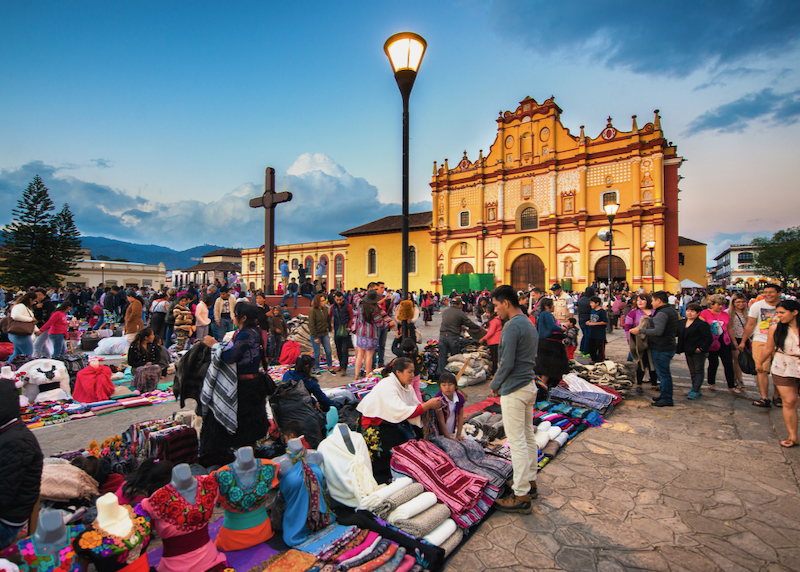
plaza market

A nighttime market on the main plaza.

Frequently Asked Questions about San Cristóbal de las Casas

Where is San Cristóbal de las Casas?

San Cristóbal de las Casas is an historic city in the southeastern Mexican state of Chiapas, up in the central highlands (2,200 meters/7,200 feet above sea level).

San Cristóbal is about 60 km east of state capital Tuxtla Gutiérrez, 960 km east of Mexico City, and 140 km west of the Guatemala border.

Non-stop flights to Tuxtla Gutiérrez, the closest airport to San Cristóbal, take 1 hour 25 minutes hours from Mexico City, 1 hour 40 minutes from Cancún, and 4 hours 20 minutes from Tijuana.

How big is San Cristóbal de las Casas?

San Cristóbal de las Casas has a greater metro population of around 185,000. The historic center is packed into a high mountain valley surrounded by hills.

What is the history of San Cristóbal de las Casas?

San Cristóbal was formally established by the Spanish in 1528 after the local Tzotzil and Tzeltal Maya were brutally suppressed by conquistador Diego de Mazariegos. The famous indigenous rights campaigner Bartolomé de las Casas was appointed bishop here in 1544, though he was barely able to contain the exploitation of the local Maya (he refused absolution to Spanish landowners until all their slaves had been set free), and he left within two years.

In the colonial era, San Cristóbal was the capital of Chiapas though it was actually part of the Captaincy General of Guatemala – it joined an independent Mexico in 1824, and capital status was lost to Tuxtla Gutiérrez in 1892.

The city is best known in recent times for the activities of “Subcomandante Marcos” (aka school teacher Rafael Vicente) and the Zapatista Army of National Liberation (EZLN), which occupied parts of the city in 1994 and led to two years of unrest. Since then the Zapatistas have become more a social movement than insurgency, and the EZLN retains control of numerous rural communities, though not San Cristóbal itself.

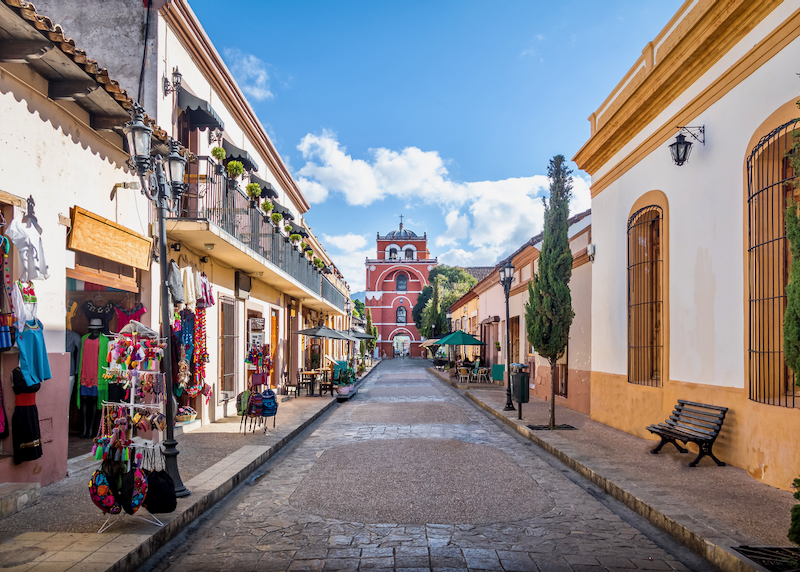
Pedestrian street with Del Carmen Arch Tower

A pedestrian street with the Arco Torre del Carmen in the distance.

How do I get to San Cristóbal de las Casas?

San Cristóbal lies some 75km northeast of the closest airport at Tuxtla Gutiérrez, which is connected to Mexico City and a handful of Mexican destinations by non-stop flights. Flights from the US, Canada, and Europe usually route through Mexico City, though visitors from Southern California can fly non-stop from Tijuana Airport. From Tuxtla airport buses run directly to San Cristóbal (around 8 daily; 1 hour, 15 minutes; around 280 pesos), which is not a bad option; taxis to San Cristóbal tend to be very expensive (over 1000 pesos), and if a taxi is taken into Tuxtla (at least 300 pesos, fixed-price, buy tickets in the terminal), there is still another hour to travel by bus from there.

San Cristóbal’s main bus terminal lies on the Carretera Panamericana (Hwy-190) on the southern edge of town (a 50 peso taxi ride to the center). Buses to San Cristóbal from Mexico City (13–14 hours) depart every couple of hours, while buses from Tuxtla Gutiérrez (1 hour, 15 minutes) depart hourly.

Can I use Uber in San Cristóbal de las Casas?

Uber does not operate in San Cristóbal de las Casas.

Can I drive to San Cristóbal de las Casas?

It’s possible but not recommended to drive to San Cristóbal de las Casas. The drive from Brownsville, Texas, is over 1000 miles (1609 km) and passes through states such as Tamaulipas, which have been affected by drug cartel violence. Roads within Chiapas itself are often poorly maintained and badly congested. Drivers also need a Mexican “Temporary Importation of Vehicle Permit”.

Do I need a car in San Cristóbal de las Casas?

The historic center of San Cristóbal de las Casas is relatively small and best appreciated on foot – local taxis are cheap and easily available.

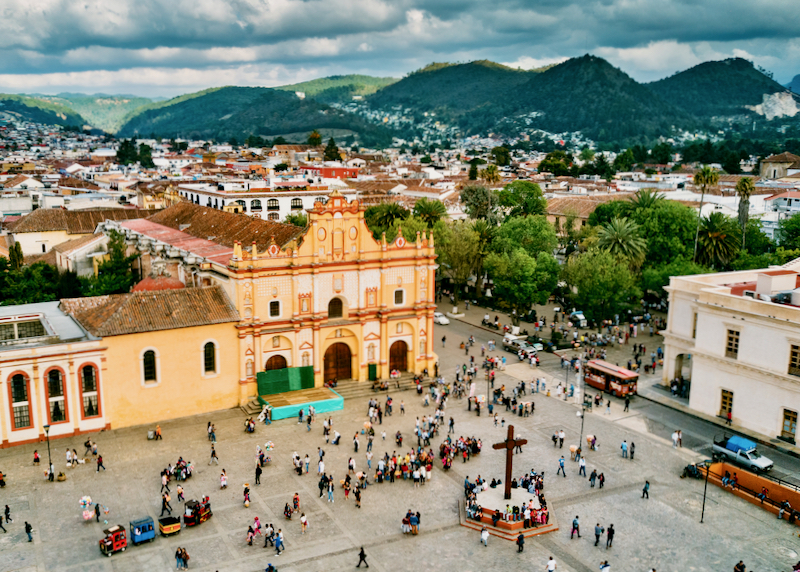
plaza aerial view

The main plaza in front of the cathedral in the center of town.

When is the best time to go to San Cristóbal de las Casas?

San Cristóbal de las Casas is at its best March through May, when the skies are generally clear and temperatures mild – because of its altitude, the city is rarely hot, though summers can be wet, and winters chilly. Avoid Easter, Christmas, and any Mexican public holiday to avoid crowds of domestic tourists and high hotel prices (July and August also tend to more expensive because of Mexican school holidays).

Where should I stay in San Cristóbal de las Casas?

Aim to stay in the atmospheric center of old San Cristóbal de las Casas, close to all the sights, best restaurants, and attractions.

One of our absolute favorite places to stay, Hotel Na Bolom (Vicente Guerrero 33), is a celebrated cultural center that also offers comfy rooms decorated with Maya textiles and artifacts. We also like the centrally located Casa Margarita (Real de Guadalupe 34), and the luxurious La Joya Hotel (Madero 43A). Our favorite budget option is Rossco Backpackers Hostel (Real de Mexicanos 16), with friendly English-speaking owners and immaculate dorms.

What are the best things to do in San Cristóbal de las Casas?

Soak up the charming atmosphere in the old town, and go craft shopping in San Cristóbal’s vibrant markets. Central Plaza 31 de Marzo (aka “el parque”) is the languid heart of the city, surrounded by cafés, colonial mansions, and the 16th-century cathedral. Slicing through the old town and the plaza is a pedestrianized thoroughfare known and “Andador Eclesiástico”, lined with souvenir shops, cafés, and ice-cream sellers. The street ends at the city’s most interesting church, the pink stucco Templo de Santo Domingo Guzmán. Nearby, the Mercado José Castillo Tielemans is San Cristóbal’s main central market, crammed with all sorts of goods sold by local indigenous people. The best museum in town is at Casa Na-Bolom, the former home of Danish explorer and anthropologist Frans Blom, who died in 1963. It’s now a great place to learn about the local Maya cultures, particularly the isolated Lacandón.

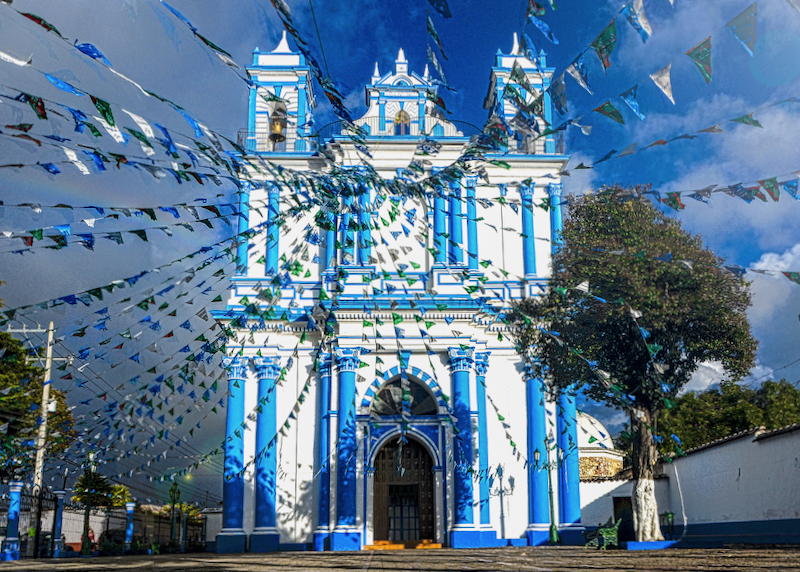
Santa Lucia Church

Santa Lucia Church.

What are the best things to do around San Cristóbal de las Casas?

San Cristóbal de las Casas makes a good base to explore the surrounding area. Numerous outfits offer tours to the traditional Maya villages of San Juan Chamula and San Lorenzo de Zinacantán; the panoramic Cañón del Sumidero; and the Maya ruins at Palenque. Tours are not that expensive and are a lot easier than arranging solo visits. Recommended operators include Nichim Tours, Alex and Raul Tours, and Jalapeño Tours.

What are the restaurants in San Cristóbal de las Casas like?

The restaurants in San Cristóbal de las Casas are extremely varied and international, thanks to a large foreign backpacking contingent. San Cristóbal itself is celebrated for its Spanish-style cured hams and sausages, and the locally produced coffee is also excellent. Our favorites include the tasty and cheap vegetarian food at Te Quiero Verde (Niños Héroes 5), the happening Tierradentro Café at Real de Guadalupe 24, and the sensational tapas at La Viña de Bacco (Real de Guadalupe 7).

We also love El Horno Mágico (General Utrilla 7), a French-inspired bakery, and Teddy’s (Belisario Domínguez 1), which sells superb coffee and knocks out authentic Korean food. Café Bar Revolución (Andador Eclesiástico, at 1 de Marzo), is a top choice for cocktails and live music.

Can I learn Spanish in San Cristóbal de las Casas?

San Cristóbal is a fun place to learn Spanish. Instituto Jovel (Madero 45) offers a wide range of languages and cultural courses.

What currency is used in San Cristóbal de las Casas?

The Mexican peso (often prefixed with a “$” sign) is the currency of Mexico and San Cristóbal de las Casas. Most major shops and restaurants in San Cristóbal de las Casas accept credit cards, but it is a good idea to have some peso cash on hand for museums and small purchases like bottled water and snacks. ATMs are easy to find around the main plaza in San Cristóbal.

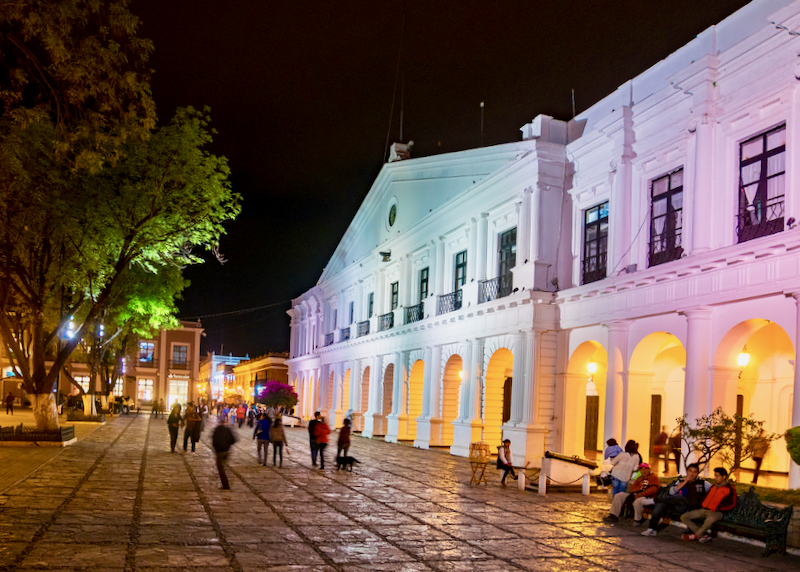
city hall

City Hall at night.

Is San Cristóbal de las Casas expensive?

There are so many hotels in San Cristóbal that prices are competitive, and there are plenty of cheap places to eat, from local canteens to taco stalls. Taxis are cheap and museums rarely charge more than US$2–3 equivalent.

Is San Cristóbal de las Casas safe?

San Cristóbal de las Casas has generally avoided the drug violence that has affected other parts of Mexico. Take the usual precautions, especially at night, and keep valuables in room safes.

Read More

Saltillo Travel Guide

Mexico › Saltillo
Updated: March 2, 2022

See Also

Provincial and well off the beaten path, Saltillo is a colonial gem that’s one of our favorite Mexican cities to explore. It’s loaded with elegant colonial architecture, museums, markets and is a great place to buy sarapes, traditional Mexican shawls – and it’s never busy.

Frequently Asked Questions about Saltillo

Where is Saltillo?

Saltillo is the capital of the northern Mexican state of Coahuila, high in the Chihuahuan Desert. Saltillo lies about 80 km west of Monterrey, and 840 km north of Mexico City.

How big is Saltillo?

Saltillo has a greater metro population of just under 1 million. The city stretches for some 20km north-south along the western slopes of the Sierra Madre Oriental.

What is the history of Saltillo?

Once the home of the Chichimeca people, Saltillo was founded by Spanish conquistador Alberto del Canto in 1577 – it’s the oldest Spanish settlement in northern Mexico. Despite del Canto’s brutal suppression, Chichimeca resistance meant the city remained small and insignificant well into the 18th century. The city finally grew as a trade and supply center for Mexico’s silver mines, its farms producing much of the nation’s wheat. The city changed hands several times during the Mexican Revolution – five Mexican presidents came from Coahuila, including Venustiano Carranza and Francisco Madero. Saltillo rapidly industrialized after World War II, with major US and German car manufacturers opening factories here.

How do I get to Saltillo?

Saltillo’s airport currently offers no passenger flights – the closest airport is at Monterrey, some 110 km to the northeast (Monterrey’s airport is well-connected to cities in the US and throughout Mexico). Buses shuttle between Monterrey’s bus station and Saltillo every hour and take around 1 hour 30 minutes. Taxis direct from Monterrey Airport to Saltillo are very expensive – Uber offers cheaper rates (around 1500 pesos), though drivers may be reluctant to pick up from the airport due to hostility from the airport taxi union. Comfortable first-class buses also connect Saltillo with Mexico City (every 1 to 2 hours; 10–12 hours); San Luis Potosí (hourly; 5 hours); and Zacatecas (hourly; 4 to 6 hours). Saltillo’s Centro de Autobuses (main bus station) lies 3km south of the city center – take a taxi from here. Taxis should use the meter, with most trips into the city center around 50 pesos.

What about Uber in Saltillo?

Uber does operate in Saltillo (assuming phones have roaming, and the app works), and getting an Uber within the city should be no problem – Uber can be cheaper than regular taxis in Saltillo.

Can I drive to Saltillo?

Driving to Saltillo down from the US border is relatively straightforward. However, the border state of Nuevo León has a reputation for violent crime and drug gang activity – definitely avoid driving at night. The drive from the Texas border at Laredo (185 miles or 298 km) takes just under 4 hours (it’s about the same from the border at McAllen/Reynosa). Note that foreign vehicles need a Mexican “Temporary Importation of Vehicle Permit”.
If renting a vehicle, it’s much easier to do this once across the Mexican border, as taking US rental vehicles into Mexico comes with all sorts of restrictions.

Do I need a car in Saltillo?

The city center of Saltillo is relatively small and it’s easy and cheap to get around on foot, by bus, or taxi (Uber is also available).

When is the best time to go to Saltillo?

Spring and the fall is the best time to go to Saltillo. Saltillo tends to have hot, humid summers (with August the wettest month), which can make sightseeing extremely uncomfortable – from mid-February to mid-May, and October to November, it is warm, dry, and sunny. Winters can be a little cooler (day-time temperatures rarely fall below 70°F), but also very dry.

Where should I stay in Saltillo?

Aim to stay in the atmospheric center of old Saltillo, close to all the sights, best restaurants, and attractions. Motel chains have sprung up around the city, near the major highways, and can offer good rates, but these are a long way from the action and it can be hassle shuttling in and out of the center. Our favorite place to stay is the Hotel Colonial San Miguel, an historic building with lots of character, comfy rooms, and a small pool.

What are the best things to do in Saltillo?

The best thing to do in Saltillo is to soak up the history. Saltillo is a relatively small colonial city but it’s loaded with historic architecture and museums – history buffs will especially love it, though Saltillo also boasts some of Mexico’s best nature museums; the Museo de las Aves de México (musave.org) showcases the numerous bird species found in Mexico, while the absorbing Museo del Desierto, 3 km east of the center, highlights the ecology of deserts, particularly of northern Mexico.

The traditional heart of the city is the blocks between Plaza de Armas and Plaza Acuña, the former home to the city’s gorgeous cathedral, and the latter location of Mercado Juárez, the main market and a good place to browse for souvenirs. Saltillo is especially famous for its sarapes (multicolored woolen shawls), sold at the market, or at craft shops such as El Sarape de Saltillo (Hidalgo 305). You can also learn about the history of sarape making at the Museo del Sarape y Trajes Mexicanos (Allende Sur 160).

It’s fun to simply wander Saltillo’s cobbled colonial streets, but the best of its (many) museums are the Museo de la Revolución Mexicana (Hidalgo Sur 167), which focuses on the Mexican Revolution and local boy made president Venustiano Carranza; and the Museo del Palacio on Plaza de Armas, inside the former Coahuila statehouse, with exhibitions on the history of Coahuila.

What are the restaurants like in Saltillo?

Although the restaurants in Saltillo are pretty good, they are not especially varied. We love La Canasta (Carranza 2485), which had been knocking out Mexican classics and decent steak since the 1960s (it is best known for “arroz Huerfano”, a rice dish made with ham, nuts, and bacon, and its homemade lemon meringue pie). Another local specialty, pan de pulque (wheat bread made with cinnamon and cactus juice) can be sampled at Pan de Pulque Los Álamos (Madero 1326), a local bakery. For coffee, pastries, and sandwiches it’s hard to beat atmospheric Cafeteria Kala, inside the Galería del Instituto Coahuilense on Plaza de Armas.

What currency is used in Saltillo?

The Mexican peso (often prefixed with a “$” sign) is the currency of Mexico and Saltillo. Most major shops and restaurants in Saltillo accept credit cards, but it is a good idea to have some peso cash on hand for museum entry and small purchases like bottled water and snacks. ATMs are easy to find in Saltillo around the two main plazas.

Is Saltillo expensive?

Saltillo is an affordable destination. Hotels in Saltillo are reasonably priced given their quality, and eating out is rarely expensive. You won’t spend much on transportation, and fees to enter museums are low, typically one or two US dollars equivalent.

Is Saltillo safe?

Saltillo has generally avoided the drug violence that has affected other parts of Mexico. Take the usual precautions, especially at night, and keep valuables in room safes.

Read More

Querétaro Travel Guide

Mexico › Querétaro
Updated: March 2, 2022

See Also

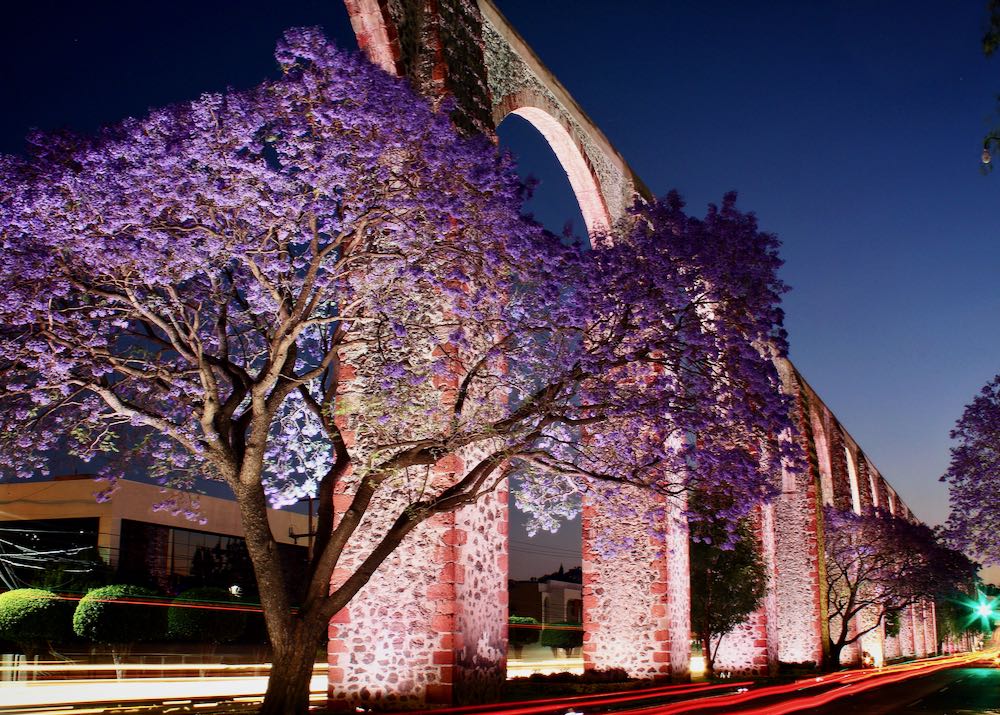
Rosewood tree in Querétaro Mexico

Of all Mexico’s colonial cities, Querétaro is one of our perennial favorites – loaded with historic gems, baroque churches, museums, shady plazas, and relaxed street cafés, but with a fraction of the tourists that visit the nation’s more famous destinations.

Frequently Asked Questions about Querétaro

Where is Querétaro?

Querétaro is the capital city of the Mexican state of Querétaro, located in the region of central Mexico known as the Bajío.

Querétaro lies about 215 km northwest of Mexico City, 65 km southeast of San Miguel de Allende, and 365 km east of Guadalajara. Non-stop flights to Querétaro take 1 hour from Mexico City, 1 hour 15 minutes from Monterrey, 2 hours 5 minutes from Houston, 2 hours 25 minutes from Dallas, and 2 hours 25 minutes from Cancún.

How big is Querétaro?

Querétaro has a greater metro population of just over 1 million – it’s one of the fastest growing (and richest) cities in Mexico. It covers an area of around 760 square kilometers, on the edge of the Sierra Madre Oriental.

What is the history of Querétaro?

Querétaro (“rocky place”) was once the home of the Otomi and Chichimeca peoples – at the time of the Spanish Conquest, it was part of the Aztec Empire. The Spanish settlement was officially founded in 1531 by Hernán Pérez Bocanegra y Córdoba and an Otomi leader known as Conín, but development was slow and it only became a town formally in 1606. Colonial Querétaro flourished thereafter, becoming one of the cradles of Mexican Independence.

It was here, meeting under the guise of Literary Associations, that the Independence conspirators made their earliest plans. In 1810 one of them, María Josefa Ortiz de Dominguez, wife of the town’s Corregidor (or governor – she is known as “La Corregidora”), found that her husband had learned of the movement’s intentions. Although locked in her room, La Corregidora managed to get a message out warning the revolutionaries, thus precipitating an unexpectedly early start to the struggle for independence.

Later, in 1867, the French-backed Emperor Maximilian was executed by a firing squad at Querétaro, and the city hosted an important assembly of Revolutionary politicians in 1916, leading eventually to the signing here of the 1917 Constitution, which is still in force today.

How do I get to Querétaro?

Querétaro is connected to the US by several non-stop flights, from Chicago, Dallas, Detroit, and Houston; domestic flights connect Querétaro with major destinations throughout Mexico. Flights from Canada or Europe will likely route through the USA or Mexico City.

Within Mexico, first-class long-distance buses are an economical and comfortable alternative to flying – buses to Querétaro from Guadalajara (4–5 hours), Mexico City (3–4 hours), and San Miguel de Allende (1 hour 15 minutes) operate every 30 minutes. Querétaro’s massive Central de Autobuses (bus station) lies 6km south of the city center. Arriving there it’s best to take a taxi to your hotel – these follow a fixed-rate system, with the current rates displayed at kiosks at the exit (pay here before getting in).

What are the options for Querétaro airport transportation?

Querétaro’s airport lies 32km northeast of the city center on the Hwy-200 towards Tequisquiapan. We recommend taking one of the airport taxis (around M$350) or an Uber to get to the hotel.

What about Uber in Querétaro?

Uber does operate in Querétaro (assuming phones have roaming, and the app works), and drivers will usually pick-up from the airport, though they do face the usual hostility from the airport taxi union. An Uber ride into the city should be cheaper – around 290 pesos – than regular taxis. Once in the city, getting an Uber should be no problem.

Can I drive to Querétaro?

Driving down to Querétaro from the US border is relatively straightforward – the main highways are good, and virtually empty outside the towns. However, the Mexican border states of Nuevo León and Tamaulipas have been affected by drug cartel violence – driving at night is definitely a bad idea. Check the latest travel advisories at travel.state.gov or ask the hotel. Cars also need a Mexican “Temporary Importation of Vehicle Permit”.

From Brownsville, Texas the drive is around 525 miles (845 km) and takes around 10 hours non-stop. Querétaro is 570 miles (917 km) from Laredo, Texas (11 hours), and 2590 km from Tijuana, on the southern border of California.
If renting a vehicle, it’s much easier to do this once across the Mexican border, as taking US rental vehicles into Mexico comes with all sorts of restrictions.

Do I need a car in Querétaro?

It’s easy to explore most of Querétaro’s city center on foot; otherwise call an Uber or take a local taxi (taxis have meters, initial fare 25 pesos). The city has an excellent public bus system (fares 11 pesos), but most tourists are unlikely to need it.

When is the best time to go to Querétaro?

Querétaro boasts a year-round temperate climate, with the driest and sunniest months October to April. Rain is most common July to August. There’s no real “bad” time to visit, though it can actually get chilly November to January. March through June is probably best, when the weather is pleasantly warm, the days generally dry, and crowds low-key.

Where should I stay in Querétaro?

The best place to stay in Querétaro is right in the historic heart (the centro histórico), close to all the sights, best restaurants, and attractions. Modern business hotels and cheaper motels line the highways on the outskirts of the city, but these are all a long way from the action and it can be hassle shuttling back and forwards. We like La Casa del Atrio, a posh B&B and spa with fabulous views and facilities, and the lavish Casa de la Marquesa (Madero 41), housed in a 1756 mansion with a gorgeous Mudéjar-style courtyard. Kuku Rukú and El Petate Hostel are our favorite budget options.

What are the best things to do in Querétaro?

Soak up the Querétaro’s colonial charm and be immersed in Mexico’s revolutionary history. Sip coffee at an outdoor café and take in the scene on Querétaro’s three main squares: the elegant Jardín Zenéa, Plaza de la Independencia, and Plaza de la Constitución. Learn about the Mexican War of Independence at the Museo de los Conspiradores (Andador 15 de Mayo no. 18), and the history of Querétaro state at the Museo Regional de Querétaro (Corregidora Sur 3). The story of the French Intervention and Emperor Maximilian is told at the Museo de la Restauración de la República (Guerrero 23), while the incredibly ornate Museo de Arte de Querétaro (Allende 14) is crammed with Mexican art from 17th-century to the present day.

Querétaro’s churches are similarly enticing, with our favorites the Templo de San Francisco on Jardín Zenéa, with a beautiful dome covered in azulejos (colored tiles); the Templo de Santa Clara (Madero 42), with its exuberant Baroque interior; and 18th-century Templo de Santa Rosa de Viterbo (Arteaga, at Montes), with another magnificent interior and a blue-and-white-tiled dome.

It’s also worth checking out the 19th-century Teatro de la República (Juárez at Ángela Peralta), where the Mexican Constitution was debated in 1917, and the quirky Museo Casa de la Zacatecana, an 18th-century mansion that preserves the grisly legend of its former owner (the evil Zacatecana murdered her husband).

For longer excursions, stroll out to Cerro de las Campañas, the “Hill of Bells” west of the center, or to the Convento de la Cruz (Ejército Republicano, at Felipe Luna), an old Spanish monastery that harbors the “Árbol de la Cruz”, a tree whose thorns sprout in the shape of little crosses.

What are the best things to do around Querétaro?

Querétaro makes a good base to explore the surrounding area, especially the hills of the Sierra Gorda. Some 60km east of Querétaro, the pretty village of Bernal is best known for the Peña de Bernal, a 350m-high peak of volcanic rock that towers over the area. Nearby Tequisquiapan is a gorgeous colonial Spanish town crammed with boutique hotels, spas, and craft markets.

What are the restaurants like in Querétaro?

Querétaro has excellent restaurants. The city is known for a couple of specialties; a thick lentil soup laced with chunks of dried fruit (“sopa regional”), and the local take on enchiladas (“enchiladas Queretanas”), fried with chili sauce, onions, and cheese. A good place to try them is Café del Fondo (Pino Suárez 9). Some of the best snack food in the city is knocked out at Tamales y Atoles Arteaga (Arteaga 48) a tamale specialist, while San Miguelito (Andador 5 de Mayo 39), is one of the city’s best Mexican restaurants. For something special try to snag a table at Chinicuil (Pasteur Sur 52), showcase for the contemporary creations of celebrity chef Alan Rodríguez. Since the COVID pandemic, the restaurant has been mobile (“nomada”), with pop-ups held throughout the city and announced on Instagram.

What currency is used in Querétaro?

The Mexican peso (often prefixed with a “$” sign) is the currency of Mexico and used in Querétaro. Most major shops and restaurants accept credit cards, but it is a good idea to have some peso cash on hand for museum entry and small purchases like bottled water and snacks. Banks and ATMs are easy to find in Querétaro, especially around Jardín Zenéa.

Is Querétaro expensive?

It’s easy to visit Querétaro on a modest budget. To save cash, stay in the cheaper B&Bs or hostels (budget Airbnb deals are also a viable option), and eat at local restaurants and taco stalls. Buses and taxis are cheap, and museum entry is rarely more than US$2–3.

Is Querétaro safe?

Querétaro has generally avoided the drug violence that has affected other parts of Mexico. Take the usual precautions, especially at night, and keep valuables in room safes.

Read More

Where to Stay in Palenque

Mexico › Best Places to Stay in Palenque
Updated: March 2, 2022

See Also

Palenque is a small city in southeastern Mexico, best known for its sensational Maya ruins, set on the edge of the rainforest, buzzing with colorful birds and the haunting cries of howler monkeys.

Frequently Asked Questions about Palenque

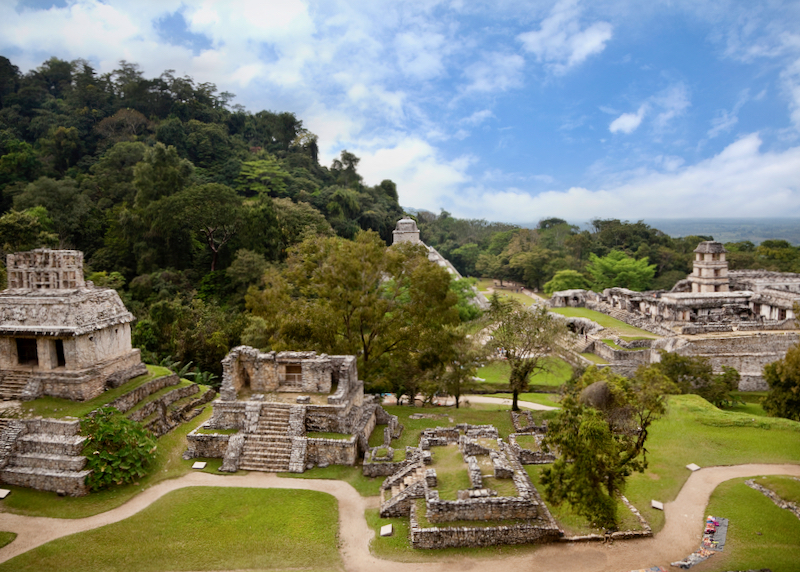
palenque mayan archaeological ruins

The ancient Mayan ruins complex of Palenque, a UNESCO World Heritage Site in the rain forest of Chiapas.

Where is Palenque?
Palenque is a small modern city and adjacent archeological site in the southeastern Mexico state of Chiapas. Palenque lies around 270 km northeast of the Chiapas state capital Tuxtla Gutiérrez, 210 km northeast of San Cristobal de las Casas, 900 km southeast of Mexico City, and 835 km southwest of Cancún. Non-stop flights to Palenque take 1 hour 30 minutes from Mexico City.

How big is Palenque?
Palenque has a population of around 42,000, including a large Ch’ol (Maya) indigenous community. The city proper covers a relatively small area and is surrounded by rainforest. The archeological site and ancient Maya ruins of Palenque lies some 8 km southwest of the modern city center.

What is the history of Palenque?
The modern city of Palenque was formally established by Spanish missionary Pedro Lorenzo in 1567, as part of an effort to convert the rural Maya population to Christianity. It remained relatively isolated in the rainforest and was only designated a town in 1813 (it became a city in 1972). The main roads were finally paved in 1990. The ancient Maya city of Palenque is much older, and was already abandoned when the Spanish arrived (the Spanish discovered the ruins in 1740). The earliest remains at Palenque date from around 300 BC, but the city was at its peak in the Maya Late Classic Period (c. 600–900 AD). Not much is known about the people that once lived here, though a list of kings, beginning with K’uk’ Bahlam I (431–435 AD), has been uncovered. The most famous king was Pakal the Great (615–683 AD), who initiated much of Palenque’s later construction. Palenque was abandoned by the Maya sometime in the 9th century, for reasons that are still unknown, though the most recent theories have focused on ecological factors, such as long-term drought.

How do I get to Palenque?
Palenque Airport (about 5 km northwest of the city center) serves just one route, the Interjet service from Mexico City – take a taxi into the center from here (250–300 pesos). Otherwise most travelers arrive by bus. Buses to Palenque from Campeche (5 hours 35 minutes); Cancún (around 13 hours); Mexico City (around 14 hours 30 minutes) and San Cristóbal (5 hours) arrive at the first-class bus terminal on the traffic circle in the center of the city, within walking distance of many hotels. Another option is to take a guided tour of Palenque from San Cristóbal de las Casas (via the waterfalls at Agua Azul), and ask to be dropped off in Palenque instead of returning to San Cristóbal. Hiring a taxi/driver is also possible but expensive; reckon on US$100–150 from San Cristóbal (5 hours) or a bit less from Villahermosa Airport in Tabasco (just 2 hours).

Is the overland route safe?
The main road to Palenque (north from San Cristóbal and south from the Yucatán) can be subject to closures by the local indigenous communities (during disputes with the government) and can result in lengthy delays – check the current situation at your hotel before buying tickets. Hold-ups of buses are very rare but can happen at night – robberies on buses at night have also been reported. Taking first-class ADO bus services during the day should ensure a safe trip.

What about Uber?
Uber does not yet operate in Palenque.

Can I drive to Palenque?
Yes, but it’s not recommended. It’s almost 1000 miles (1610 km) to Brownsville, Texas, and the roads in Chiapas can be rough (and unsafe at night). Drivers also need a Mexican “Temporary Importation of Vehicle Permit”.

Do I need a car in Palenque?
No. The center of the city is very small and easy to walk around on foot. The only journey requiring transport is the 8 km (or less, if staying in a hotel on route) ride to and from the Maya ruins; small minivans (colectivos) zip between the city center and ruins every few minutes (operated by Transportes Palenque). Just flag them down (around 35 pesos). Taxis are also plentiful in town and charge around 120 pesos for the ride to the ruins – fix the price before getting in.

When is the best time to go to Palenque?
November to February, when the weather is warm and relatively dry. Palenque has a tropical climate – it’s very hot March to May, and humid and rainy June to October, though the hotels will be a little cheaper at this time. Avoid Christmas and Easter, when domestic tourists pour into Palenque.

Where should I stay in Palenque?

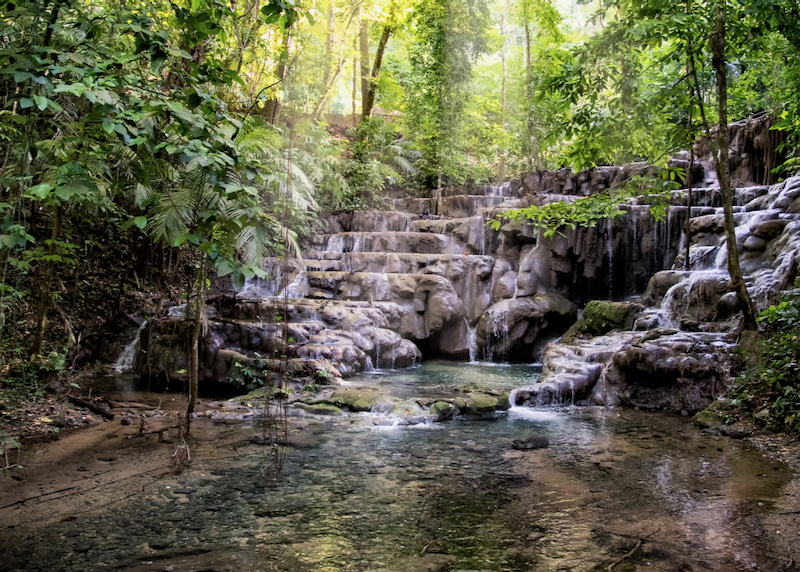
palenque queens bath waterfall

‘The Queen’s Bath’ waterfall in the forest within the Palenque Archaeological Zone.

There are three main choices in terms of area: the busy city center near the main plaza; the more residential and quieter neighborhood of La Cañada, just north of the bus station; and along the jungle-lined road to the ruins.

The city center offers the cheapest rates and proximity to services (banks, tour companies, laundries, restaurants and so on). We like the modern Hotel Maya Rue, on Aldama, between Juárez and 5 de Mayo, two blocks from the main plaza, and the newer Casa 5 B&B at Emilio Rabasa 45.

La Cañada is a bit more upmarket, and is a lot more tranquil – this is a good compromise as it’s still within walking distances of most services and restaurants. Recommended options here include Maya Tulipanes at Cañada 6, which has a pool, and friendly Hotel Museo Xibalba at Merle Green 9, which has a roof terrace.

The hotels on the road to the ruins tend to be better quality and more expensive – obviously more convenient for the ruins (there’s not much to see in town anyway), but less choices when it comes to eating and services, without zipping back and forth into town. Top of the pile is the luxurious Quinta Chanabnal (2 km from the city center), while the more affordable but recommended Chan-Kah Resort Village (3 km from the center) has the most attractive pool in Palenque.

What are the best things to do in Palenque?
There’s only one reason to come here – the ancient Maya ruins of Palenque (officially “Zona Arqueológica Palenque”), some of the most atmospheric in Mexico (there’s nothing to see in the modern city of Palenque). Though the ruins here resemble the Maya sites in Guatemala, Palenque developed its own distinctive architectural style. Highlights include the huge “Templo de las Inscripciones” step-pyramid (which still contains the original sarcophagus of Pakal the Great), and the unique square tower and beautiful relief carvings of “El Palacio”. The site’s location is also fabulous, surrounded by jungle-smothered hills, with stunning views of the pancake-flat Yucatán peninsular visible from the pyramids.

Palenque’s excellent museum, 1.5 km before the main entrance to the ruins, offers the best introduction to the site and displays many of the most important artifacts found here, including a replica of Pakal the Great’s engraved sarcophagus lid. The ruins are open daily and cost 80 pesos.

What are the best things to do around Palenque?

palenque misol ha jungle waterfall

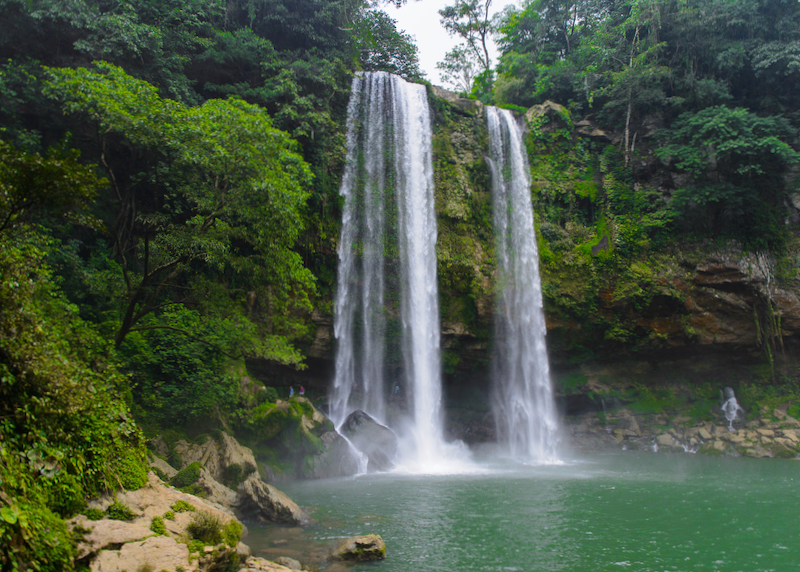
The amazing Misol-Há waterfall. There is a pathway to walk behind the cascade, and you are able to swim in the pool below.

Numerous tour companies offer similarly priced trips to attractions around Palenque, notably the waterfalls at Agua Azul and Misol-Há. These are both beautiful and worth seeing – Agua Azul is the bigger and more developed site (and can be mobbed during holidays), while you can swim safely in the pool of water at the bottom of the falls at Misol-Há. Much longer day-trips take in the Maya ruins of Bonampak and Yaxchilán – both spectacular sites and well worth the time and expense (it’s much easier to visit these sites on a guided tour than solo). Recommended local operators include Na Chan Kan and Turistica Chambajlum.

What are the restaurants like?
Nothing special, but there are plenty of cheap places serving typical Mexican food and international favorites such as pasta and pizza in the city center, and better restaurants attached to the bigger hotels. Some of our favorites include Café de Yara in the city center (Hidalgo 66), which serves excellent coffee and breakfasts, then morphs into a fun bar at night. For no-frills but cheap and tasty Mexican food, try Taquería Tropitacos at Central Poniente 49, a block west of the main plaza. In La Cañada our go-to for Mexican staples is Maya Cañada Felíz (Merle Green 10), while Don Mucho (Carretera Ruinas-Palenque km 4.5) on the road to the ruins has relaxed outdoor seating, a decent international menu, and nightly live music.

What currency is used in Palenque?
The Mexican peso (often pre-fixed with a “$” sign) is the currency of Mexico and used in Palenque – businesses will generally not accept US dollars. Bring lots of pesos to Palenque – some shops and restaurants accept credit cards, but many don’t, and for bus trips and small purchases like bottled water and snacks, cash is king.

Where to change money in Palenque?
Using local ATMs will generally be cheaper than changing money at hotels or at casa de cambios (which will take a commission). Several banks along Juárez in the city center have ATMs – these will usually have cash Monday to Friday during bank opening hours, but can run out at night or at the weekends. There’s also an ATM at the bus terminal, but we don’t recommend using this (or any other ATM not attached to a bank branch), as these can get hacked by credit card scammers.

Is Palenque expensive?
No – hotels are good value and unless it’s a public holiday in Mexico, competitively priced. Budget airbnb deals are also a viable option. The local restaurants and buses/taxis are cheap, and the ruins are less than US$4 to enter.

Is Palenque safe?
Yes. Palenque itself has generally avoided the drug violence that has affected other parts of Mexico. Take the usual precautions, especially at night, and keep your valuables in room safes.

Read More

Monterrey Travel Guide

Mexico › Monterrey

See Also

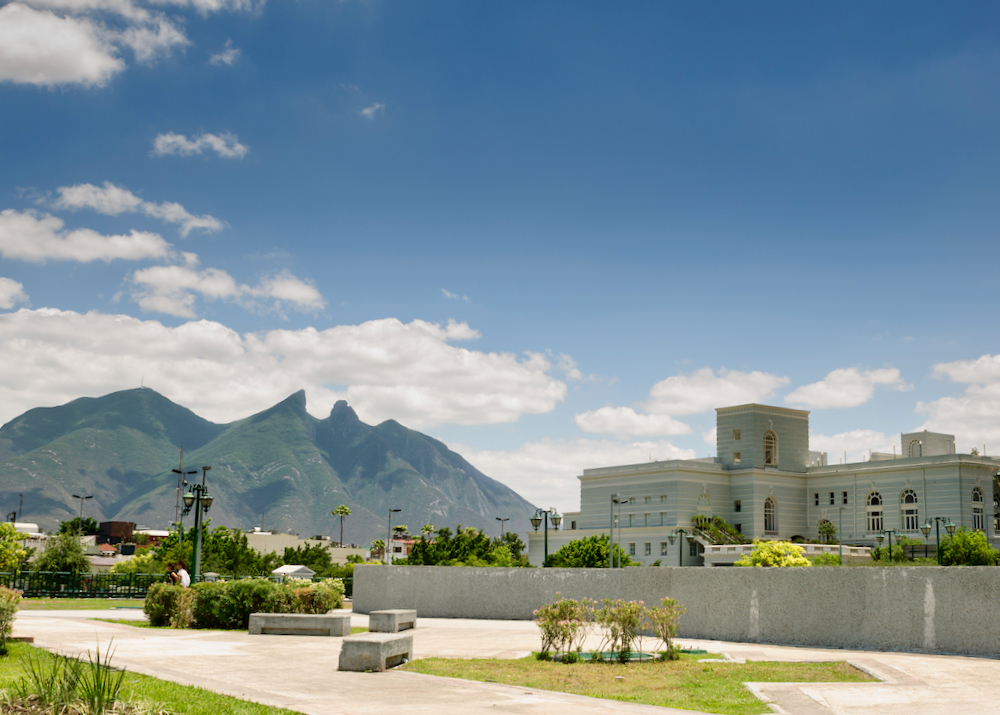
Mountains over downtown Monterrey.

The third-largest city in Mexico rarely attracts overseas tourists but it’s one of our favorite big cities, with some excellent contemporary museums and tons of character. This is the modern, dynamic face of Mexico, where colonial churches and cantinas stand side-by-side with the tallest skyscrapers in the country.

Frequently Asked Questions about Monterrey

Where is Monterrey?

Monterrey is the capital of the northeastern Mexican state of Nuevo León, in the foothills of the Sierra Madre Oriental. Monterrey lies some 222 km (138 miles) west of the US border at Reynosa/McAllen (Texas), 225 km (140 miles) south of the US border at Laredo, Texas, and about 910 km north of Mexico City.

Non-stop flights to Monterrey take 1hr 30 minutes from Dallas, 1hr 30 minutes from Guadalajara, 1hr 35 minutes from Mexico City, 1hr 35 minutes from Houston, 2 hours 40 minutes from Tijuana, and 2 hours 45 minutes from Atlanta.

gran plaza police

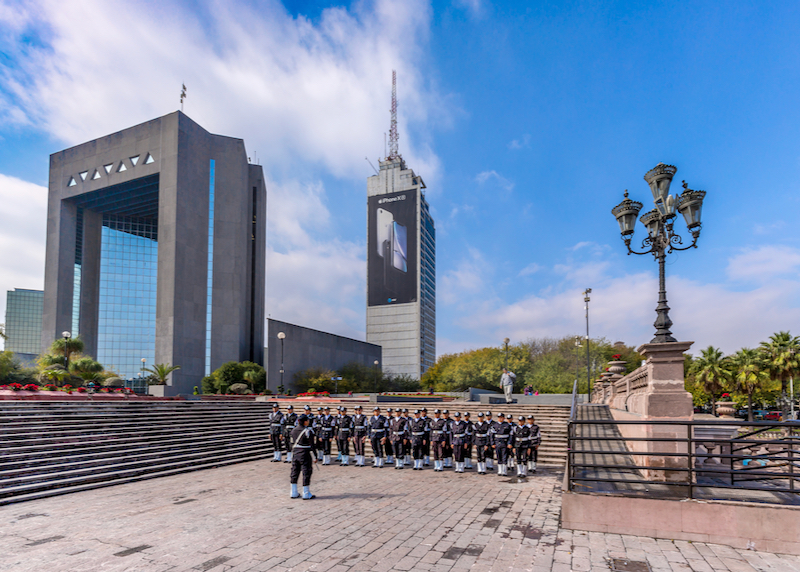
Police assembled in the Gran Plaza, the 7th largest plaza in the world.

How big is Monterrey?

Monterrey has a greater metro population of over 4.5 million. The city proper covers an area of 325 square kilometers (125 square miles).

What is the history of Monterrey?

With the help of a small group of colonists, Spanish conquistador Diego de Montemayor founded Monterrey in 1596 – he also served as governor of Nuevo León during its early years. Yet the settlement remained small and insignificant well into the 19th century. Iconic Mexican brewery Cervecería Cuauthemoc was founded in 1890, and steel production began in 1900, fueling an economic boom that continues today – the city boasts Mexico’s two tallest buildings, the T.Op Torre 1 (Torres Obispado) and Torre KOI in the burgeoning business district of San Pedro Garza Garcia.

How do I get to Monterrey?

Monterrey is connected to the US by numerous non-stop flights, with flights from Dallas taking just 1hr 30 minutes. Monterrey Airport is also a major domestic hub, with services to almost every major city in Mexico. Flights from Canada, Europe, and the rest of the world generally route through Mexico City or airports in the US.

Within Mexico, first-class long-distance buses are an economical and comfortable alternative to flying – buses from Monterrey to Mexico City (11–12 hours), San Luis Potosí (7hr) and Zacatecas (7hr–7hr 30min) operate hourly. Buses also shuttle back and forth to the US border at Nuevo Laredo (3hr) and Reynosa (3hr).

Monterrey’s enormous Central de Autobuses (bus station) at Avenida Cristóbal Colón 855 lies 3km northwest of the central Macroplaza. Cuauhtémoc metro station is just next door, but when carrying a lot of luggage take a taxi (insist on the meter being turned on).

riverwalk tour boat

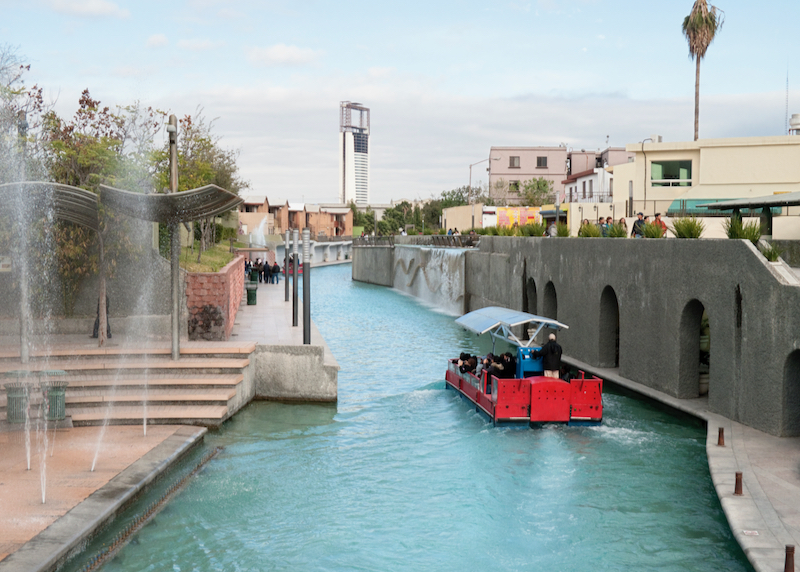
Boat tour along The Santa Lucia riverwalk, an artificial river that runs through the center of the city.

What are the options for Monterrey airport transportation?

Monterrey’s airport lies 6km or so northeast of the city center. We recommend getting a taxi into the city to save time – taxi fares are set according to a zone system, with the center around M$330 and San Pedro Garza García M$380 (buy a ticket at the terminal before exiting). Cheaper buses do shuttle between the airport and the Central de Autobuses (see above), every hour (and take around 45 minutes) for around 100 pesos, but you’ll still have to get to your hotel from there.

What about Uber in Monterrey?

Uber does operate in Monterrey (assuming phones have roaming, and the app works), but drivers are usually reluctant to pick-up from the airport due to hostility from the airport taxi union. However, an Uber can be taken back to the airport for as low as 240 pesos. Once in the city, getting an Uber should be no problem, and can be cheaper than regular taxis.

Various other ride-sharing apps operate in Monterrey, with Chinese-owned DiDi offering slightly cheaper rates, and Estonia-based Bolt another alternative, but we’d recommend sticking with Uber for first-time visitors.

Can I drive to Monterrey?

Driving down to Monterrey from the US border is relatively straightforward, and the highways are pretty good (and fast). However, the state of Nuevo León has a reputation for violent crime and drug gang activity – definitely avoid driving at night. The drive from the Texas border at Laredo takes just under 3 hours (it’s about the same from the border at McAllen/Reynosa). Note that foreign vehicles need a Mexican “Temporary Importation of Vehicle Permit”.

If renting a vehicle, it’s much easier to do this once across the Mexican border, as taking US rental vehicles into Mexico comes with all sorts of restrictions.

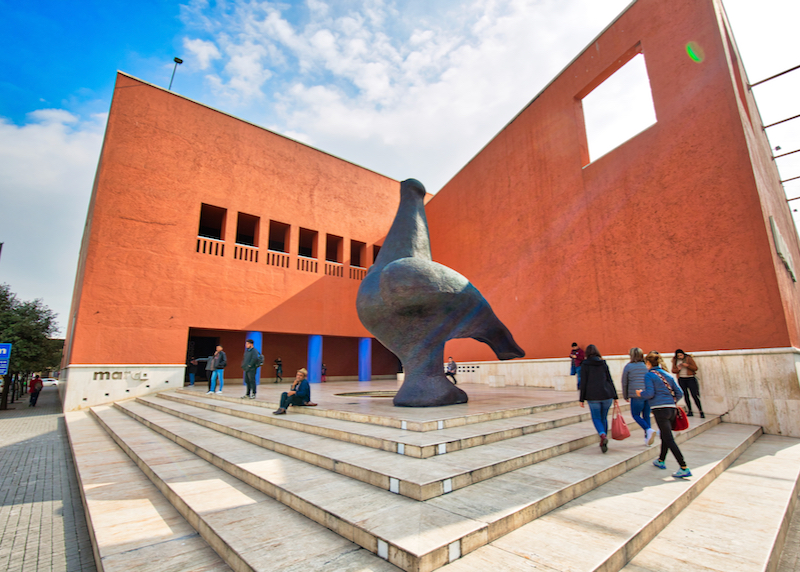
museum of contemporary art

Entrance to MARCO, The Museum of Contemporary Art.

Do I need a car in Monterrey?

It’s relatively easy and cheap to get around Monterrey on foot, by light rail, or taxi. Driving in the city can be a challenge (it’s often very congested, signage is poor, and road layout is confusing). It can be useful to have a vehicle to explore the surrounding area, though the bigger sights are all well-served by public bus or guided tours.

How do I get around Monterrey without a vehicle?

It’s easy to explore most of Monterrey’s city center on foot, or call an Uber or take a local taxi. If hailing taxes, be sure to use meters, which start at 8.80 pesos (10.55 pesos 10 pm–4 am) – trips anywhere in the center will rarely be more than 50 pesos.

Though the routes are somewhat limited for tourists, the speediest way to get around the city is to take the clean and efficient Metrorrey light rail system. It’s simple to use and rides cost just 4.50 pesos per journey.

When is the best time to go to Monterrey?

Spring and Fall are the best times to go to Monterrey. Monterrey tends to have hot, humid summers (with September the wettest month), which can make sightseeing extremely uncomfortable – from mid-February to mid-May, and October to November, it is warm, dry, and sunny. Winters can be a little cooler (day-time temperatures rarely fall below 70°F), but also very dry.

What are the main districts/neighborhoods of Monterrey?

The traditional heart of Monterrey is the Macroplaza (officially Plaza Zaragoza, or just the “Gran Plaza”), ringed by government buildings and museums. To the east lies the Barrio Antiguo, the city’s Old Town, while to the west (“Zona Rosa”) and north (just “Centro”) is the modern commercial and business districts. Beyond the city proper lie two sprawling suburbs that have become major business and residential districts in their own right in recent years: posh, skyscraper-heavy San Pedro Garza García to the southwest, and industrial San Nicolás de los Garza to the north.

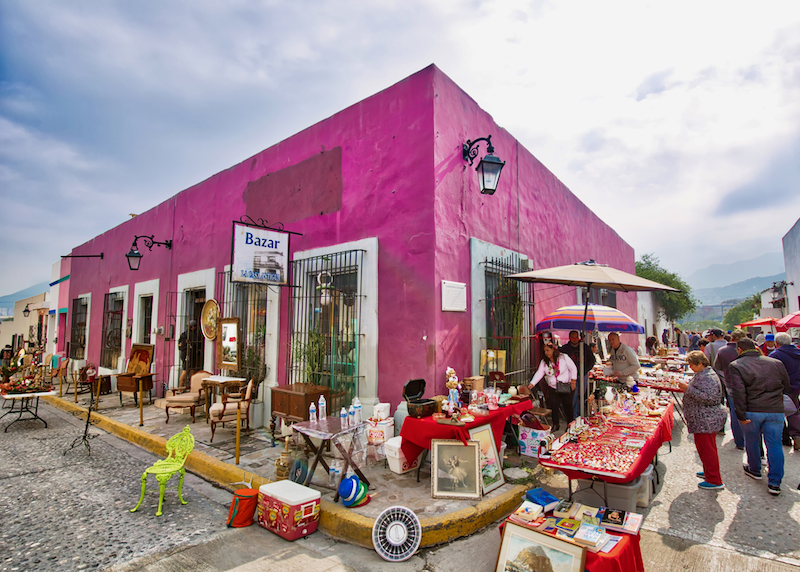
sidewalk market

A weekend market in the old city, Barrio Antiguo neighborhood.

Where should I stay in Monterrey?

First-time visitors to Monterrey should aim to stay near the Macroplaza, in the heart of the city – almost everything will be within walking distance or short taxi rides. Newer hotels and chain motels lie on the outskirts or in the “Valle” area near San Pedro Garza García, but these primarily target business travelers or those with cars – they are a long way from the main tourist sights. We like the Gamma Monterrey Gran Hotel Ancira, an Art Nouveau beauty opened in 1912. The iStay Hotel Monterrey Histórico is a cheaper, contemporary alternative.

What are the best things to do in Monterrey?

Monterrey is best known for its excellent museums. The Macroplaza itself is a Modernist, mostly green space enlivened by squawking red-crowned Amazon parrots and the city’s 18th-century cathedral. The plaza is also the seventh largest plaza in the world. The main draw here is the Museo de Arte Contemporáneo (MARCO), an innovative showcase for changing exhibitions of mostly Latin American (particularly Mexican) artists. It’s worth strolling the narrow streets of Barrio Antiguo just to the east, dotted with colorful adobe houses dating from the 1890s, independent galleries, and the city’s best bars and clubs.

At the northern end of the Macroplaza, the elegant former state government building is now the Museo del Palacio, a high-tech museum charting the Nuevo León’s transition from colony to federal state. The equally innovative Museo de Historia Mexicana chronicles Mexican national history, while the Museo del Noreste focuses on the history of northeast Mexico (including the US state of Texas). From the museums, take a tranquil boat ride along the Paseo Santa Lucía to the green swathe of Parque Fundidora, where a former steel-processing plant has been converted into another fascinating museum the Museo del Acero. The other must-sees in Monterrey include El Obispado, the bishop’s palace on top of a hill to the west of downtown, the glass exhibits at the Museo del Vidrio, and venerable Cervecería Cuauhtémoc Moctezuma, where tours of the brewery and plenty of fresh beers are offered.

What are the best things to do around Monterrey?

Monterrey makes a good base to explore the surrounding area. It’s a relatively easy outing to the impressive caverns of Parque Grutas de García, and the pretty historic village of Santiago, some 35km south of Monterrey. The nearby city of Saltillo makes for a fuller day-trip, packed with colonial architecture, museums, and shops selling traditional sarapes (multicolored woolen shawls). Buses shuttle between Saltillo and Monterey hourly (1 hour 30 minutes).

What are the restaurants like in Monterrey?

Restaurants in Monterrey are pretty good, with the usual range of Mexican options as well as international chains, though the focus is traditionally on meat-eaters, with regional specialties such as cabrito al pastor or cabrito asado (whole roast kid goat). The best place to try these is El Rey del Cabrito (Constitución Ote 817), while the excellent La Divina (Montemayor Sur 507) serves quality Mexican dishes conveniently close to the museums. For a treat, get a taxi to Pangea (Roble 660), showcase for the gourmet cuisine of local celebrity chef Guillermo González Beristáin.

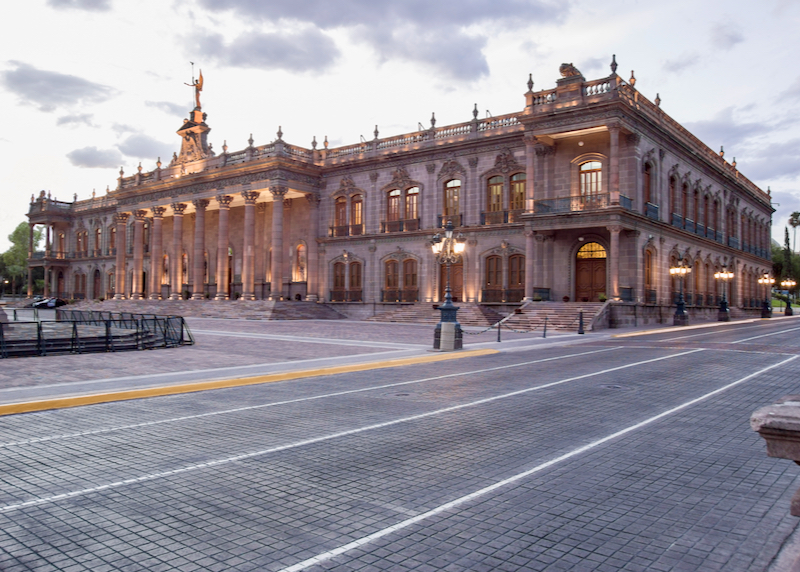
government palace

The historic Government Palace building in downtown.

What currency is used in Monterrey?

The Mexican peso (often prefixed with a “$” sign) is the currency of Mexico – US dollars and other foreign currencies will not be accepted in Monterrey. Most major shops and restaurants in Monterrey accept credit cards, but it is a good idea to have some peso cash on hand for bus trips and small purchases like bottled water and snacks. ATMs are easy to find in the center (especially on Padre Mier).

Is Monterrey expensive?

Monterrey certainly contains luxury hotels, designer shops, and pricey bars and restaurants, but it’s easy to visit the city on a modest budget. Most hotels are reasonably priced, budget Airbnb deals are also a viable option, museum entry fees are low (US$2–3) and public transport is cheap.

Is Monterrey safe?

Monterrey is safe for tourists. Monterrey is a big city, and does suffer from crime – take the usual precautions, especially at night (get hotels and restaurants to order taxis), and keep valuables in room safes.
Mexico’s drug wars have also taken their toll on the city and the surrounding areas, but despite the headlines drug gangs rarely, if ever, target tourists and the main, well-policed tourist areas of Monterrey are usually safe and violence-free.

Mérida Travel Guide

Mexico › Mérida
Updated: March 1, 2022

See Also

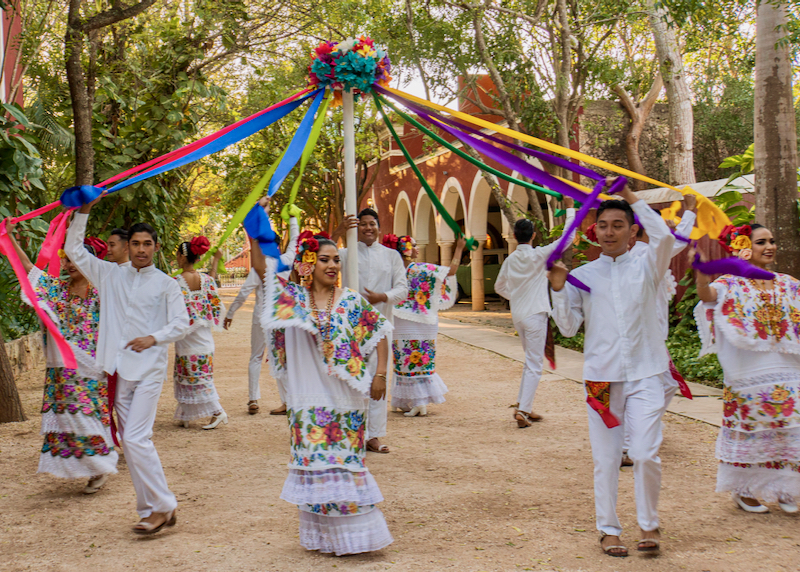
folkloric dancers

Folk dancers performing the maypole dance during a festival.

Frequently Asked Questions about Mérida

Where is Mérida?

Mérida is the capital of the state of Yucatan and it’s located in the South East of Mexico. It’s 8 meters above sea level and, together with the municipalities of Conkal, Kanasín, Ucú, and Umán, it forms the so-called metropolitan area.

How big is Mérida?

The municipality of Mérida covers an area of almost 535 miles (860 square kilometers). As is the case for practically the entire state of Yucatan, the territory is virtually flat, with only a slight slope towards the Gulf of Mexico. There are almost a million people living in Mérida’s metropolitan area.

What is the history of Mérida?

The city was founded in 1542 on the remains of T’Hó, a Mayan city that was practically uninhabited by that time. Some of the Spanish conquerors came from the region of Extremadura and decided to name it Mérida in honor of a city back home. The main reason for this was that the Mayan ruins reminded them of the Roman ruins found in the European Mérida.

How do I get to Mérida?

The Manuel Crescencio Rejón International Airport is located about 4 miles (7 kilometers) from the city, and it connects Mérida with 14 domestic and four international destinations. In addition, it’s possible to arrive by bus from Cancun. The journey lasts around four hours.

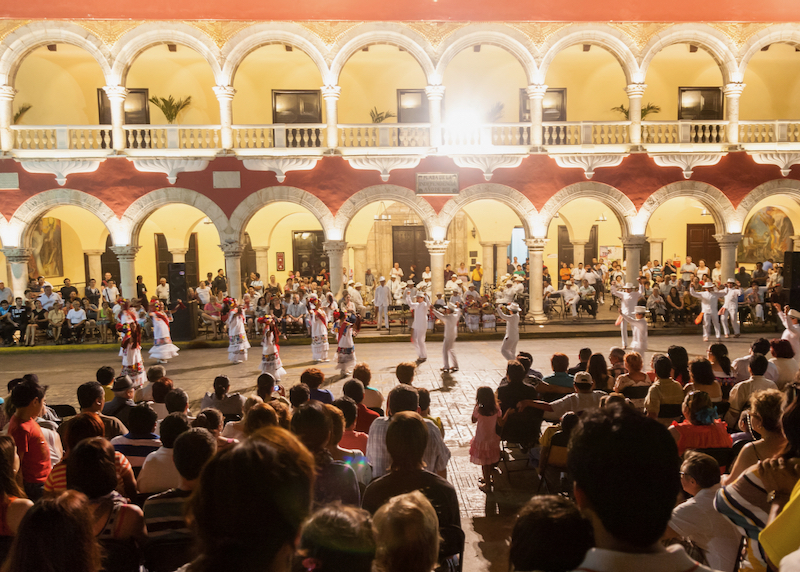
parade in front of municipal palace

A nighttime parade in front of the municipal palace during a festival.

When is the best time to go to Mérida?

The best months to travel to Mérida, and in general to the entire Yucatan Peninsula, are December, January, and February. The temperature is slightly lower than the rest of the year, averaging 79ºF (26ºC). During this time, rain is scarce so you can walk around the city with ease.

What neighborhoods should I visit in Mérida?

Known as “the white city” (“La Blanca Mérida”) given the predominantly white buildings erect at its founding, Mérida’s architecture reflects several different periods of its history. The historic center is a perfect example of beautiful colonial architecture, while the iconic Paseo de Montejo is lined with mansions —some of them derelict, others turned into banks, restaurants, and boutique hotels— from its wealthy henequen industry days. Mérida’s most traditional neighborhoods are definitely worth a visit. El barrio de Santiago has a park that comes alive every afternoon, el barrio de Santa Ana is known for its markets and culinary exhibitions, and el barrio de Mejorada houses several museums.

Where should I stay in Mérida?

Deciding where to stay in Mérida is quite simple since there are accommodation options for all budgets. Undoubtedly, the two best areas for visitors are the historic center, with its colonial design and old town, and the area surrounding Paseo de Montejo, an avenue inspired by French boulevards where beautiful buildings, cafes, restaurants, boutiques, and bars abound.

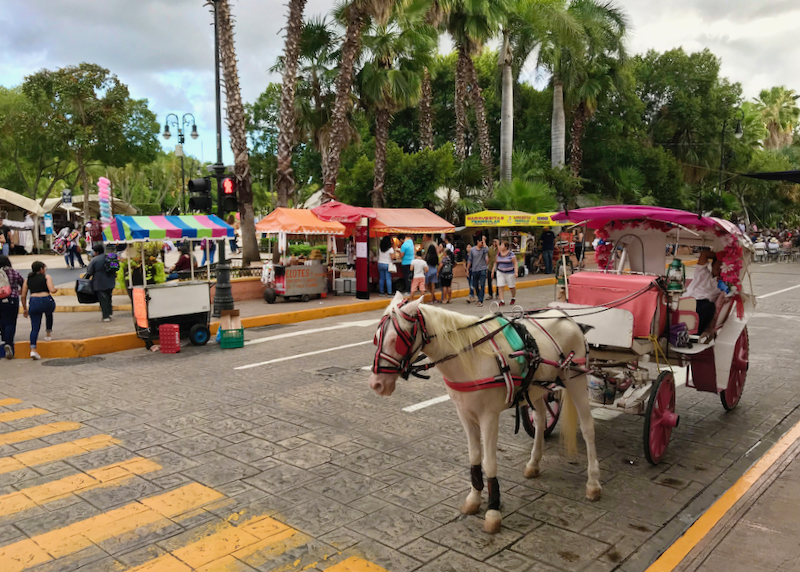
horse carriage

Horsedrawn carriage and street vendors on the main plaza downtown.

How do I get around in Mérida?

Mérida is a very well organized city. The streets are numbered with pairs going from north to south and odd numbers from east to west. To visit the center, a good option is to walk or rent a bicycle. Public transport is safe and connects practically the entire city. Digital apps such as DiDi and Cabify also operate in the city.

What are the best things to do in Mérida?

In the city, walking along Paseo de Montejo and admiring its beautiful buildings is practically mandatory, as is a visit to the Cathedral of San Ildefonso, the oldest in the country. Hopping on a Turibus to tour the city is a great way to see the main attractions. Mérida’s food scene is definitely something to write home about and visitors can’t leave without trying the marquesitas, a kind of ice cream cone filled with cheese. In the surrounding areas, it’s worth visiting Celestún and its flamingos, Izamal and its Mayan ruins, and the imposing Chichen Itzá.

How many days should I spend in Mérida?

Mérida is not a very big city, so it takes two or three days to visit its main attractions. However, it’s in a part of the country where visitors can admire gems like Chichen Itzá, one of the seven wonders of the modern world, and a myriad of sinkholes (cenotes). For this reason, those wanting to use it as a base to visit the surrounding areas would do well to stay up to a week.

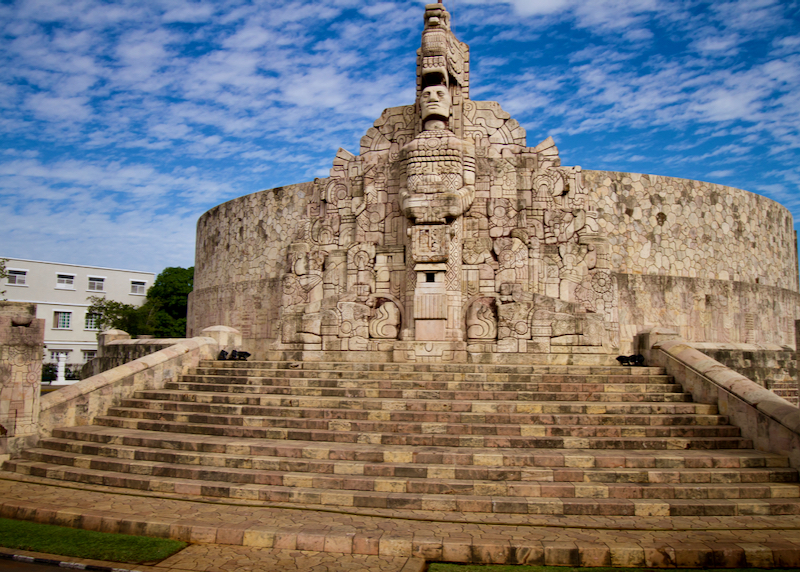
homeland monument

The Homeland Monument.

What currency is used in Mérida?

In Merida, as in the rest of Mexico, the currency is the Mexican peso. In 2020 the average exchange rate has been $20.20 pesos per US dollar. There are foreign currency exchange agencies in the airport but the best rate is always offered by the bank, so it’s advisable to pay with a credit card whenever possible and withdraw cash from an ATM.

Should I tip in Mérida?

Tipping is part of the hospitality culture throughout Mexico. In bars and restaurants, it’s common to leave between 10% and 15% of the total bill. It’s also normal to tip tour guides and customer service personnel in hotels.

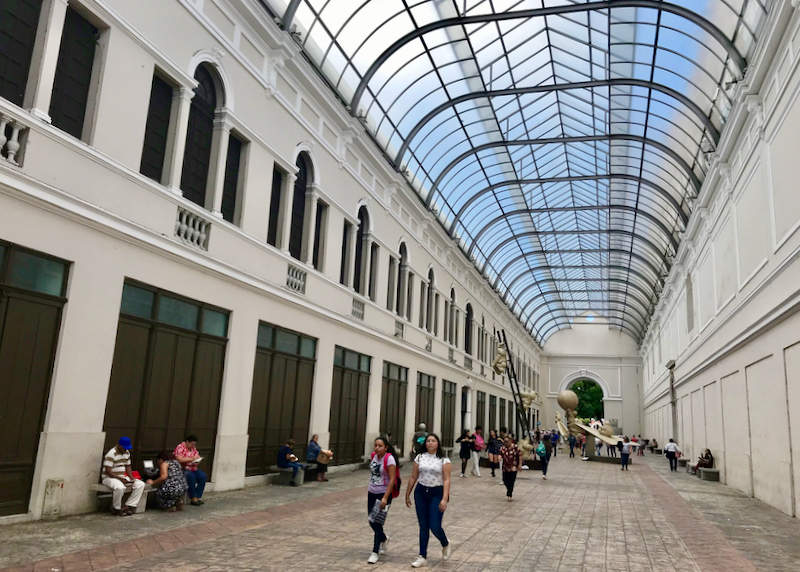
museum interior courtyard

An interior courtyard of The Museo Fernando García Ponce-Macay, which features contemporary art work of Mexican and regional Yucatan artists.

Is Mérida expensive?

For an American or European tourist, visiting Mexico is not expensive since the exchange rate is favorable. Of course, visitors can make their trip as expensive or as cheap as they wish. The truth is that it is a much cheaper city than others in the country, such as Mexico City or Monterrey.

Is Mérida safe?

In 2019, CEOWORLD magazine rated Mérida as the second safest city in the Americas, only surpassed by Quebec. It’s undoubtedly pretty safe and visitors and locals alike can walk around everywhere in the city with confidence. However, as in any medium-sized city, it’s advisable not to go out with expensive jewelry or large amounts of cash.

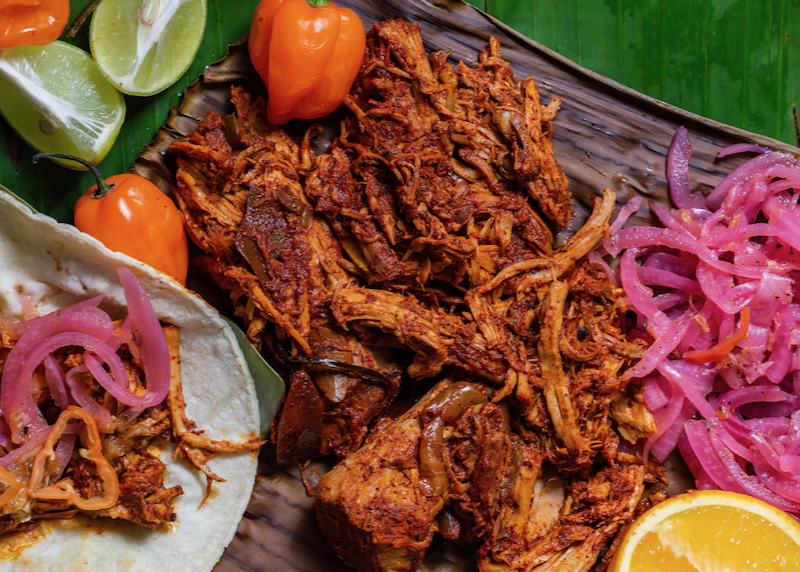
Cochinita Pibil is pit-roasted pork with citrus flavors, a traditional dish of the Yucatan Peninsula.

What should I eat in Mérida?

Yucatecan cuisine is famous throughout the country and it has flavors that make it distinct from those of other Mexican regions. Typical dishes such as cochinita pibil, panuchos, papadzules, relleno negro (black stuffing) or lime soup are among the delicacies that any visitor to the city must try. There are restaurants for all budgets. Some of the most iconic ones are La Tradición and La Chaya Maya. Foodies who love fine dining should visit K’u’uk and the restaurant at Rosas & Xocolate, one of the city’s prettiest boutique hotels.

Read More

Mazatlán Travel Guide

Mexico › Mazatlán
Updated: March 1, 2022

See Also

Mazatlán is one of Mexico’s most atmospheric resorts, a laid-back, historic city on the western, Pacific coast, and one of our favorite places to go for good seafood, sun and sand.

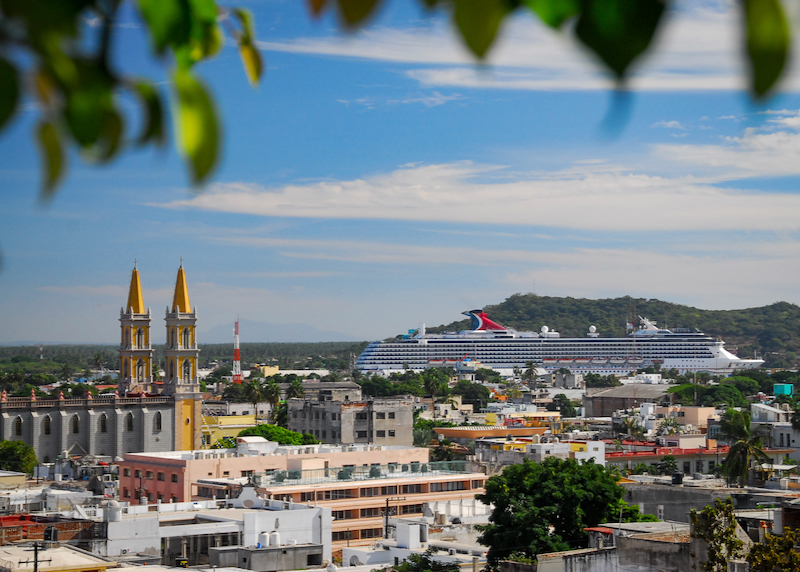
downtown with church and cruise ship

Downtown old Mazatlan with the cathedral and a cruise ship in the distance.

Frequently Asked Questions about Mazatlán

Where is Mazatlán?

Mazatlán is a city in Mexico, on the western, Pacific coast of the country in the state of Sinaloa. Mazatlán lies about 1030 km northwest of Mexico City, 220 km south of state capital Culiacán, and 440 km north of Puerto Vallarta. Non-stop flights to Mazatlán take 2 hours 40 minutes from Los Angeles, 2 hours 15 minutes from Tijuana, 1 hour 40 minutes from Mexico City and 1 hour 25 minutes from Monterrey.

How big is Mazatlán?

Mazatlán has a greater metro population of almost 490,000. The main city and busiest resort area stretches some 30km north to south along the Pacific coast. Pristine beaches and smaller resorts fan out either side of the central “Zona Dorada” (“Golden Zone”), the traditional hub for accommodation and tourist activities.

What is the history of Mazatlán?

Mazatlán claims an official foundation date of 1531, when the Spanish took control of the area, but nothing much happened here well into the 19th century. Initially little more than a base for smugglers and pirates, Mazatlán gained respectability when a Mexican customs office opened in 1828, and the city finally boomed as a mining port – author Herman Melville visited Mazatlán as a sailor in 1844. In the late 19th century, the city also attracted manufacturing and a large immigrant population – Germans opened the famous Cerveceria del Pacífico brewery in 1900. It wasn’t until the end of World War II that Mazatlán started to attract tourists, initially American sport fishermen (today it still operates the largest canneries and shrimp fisheries in the country). Writer Jack Kerouac passed through in 1952, writing about his visit in Lonesome Traveler. Mass tourism really took off in the 1970s with the development of the “Zona Dorada”, and in the last decade or so the city’s old town or “centro histórico” has been given an attractive facelift.

How do I get to Mazatlán?

Mazatlán is connected to the US and Canada by numerous non-stop flights, though many of these area seasonal; most flights will otherwise route through Los Angeles or Dallas/Fort Worth. Non-stop domestic flights link Mazatlán with Monterrey, Tijuana, Mexico City, and several smaller cities. There are no direct flights from Europe – most visitors travel through the US or Mexico City.

Within Mexico, first-class long-distance buses are an economical and comfortable alternative to flying – buses to Guadalajara (6–7 hours), Mexico City (14–15 hours), and Puerto Vallarta (7 hours 30 minutes) operate frequently (24 hours).

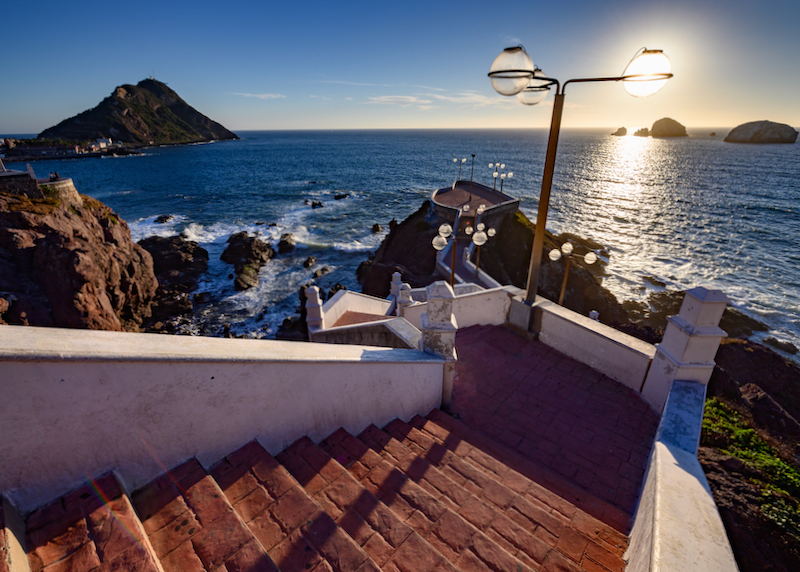
stairs down to ocean

Stairs down to a lookout point along the waterfront.

What are the options for airport transportation in Mazatlán?

Mazatlán’s International Airport lies some 20km south of the city center. Arrival can be quite chaotic – ignore the timeshare sales staff upon exiting and their offers of rides into the city. Look instead for the official “Taxi” desk and pay for transportation there – or arrange rides in advance with companies like Mazatlan Tours.

The cheapest transportation is provided by vans (or “colectivos”) that offer fixed rates to the old town and Zona Dorada – usually 125 pesos. This is a great deal, but note that if the van is full and your hotel happens to be the last stop, the trip can take well over 2 hours (it only takes 30 minutes by taxi).

Like most airports in Mexico, private taxis operate a monopoly here and rates are relatively expensive, ranging from US$25–60, depending on where the hotel is. The price will be fixed in advance at the Taxi Desk at the airport – there are no meters inside the taxis. The desk will accept US or Canadian dollars in addition to Mexican pesos, but payment is cash only. All the major car rental companies have desks at the airport.

Can I use Uber in Mazatlán?

Uber is available in Mazatlán (assuming phones have roaming, and the app works), and can offer convenience and much cheaper rates over traditional taxis. Most short trips in town range 30 to 45 pesos, with journeys between the Old Town and Zona Dorada around 65 pesos, and rides out to Cerritos around 100 pesos.

However, Uber drivers are legally forbidden to provide airport pick-ups. The local airport taxi drivers (as is typical in Mexico) are very territorial – even though Uber drivers are allowed to drop-off at the airport, most drivers will refuse for fear of reprisals. Within the city, taking Uber is usually fine.

Various other ride-sharing apps operate in Mazatlán, with Chinese-owned DiDi offering slightly cheaper rates, and Estonia-based Bolt another alternative, but we’d recommend sticking with Uber for first-time visitors.

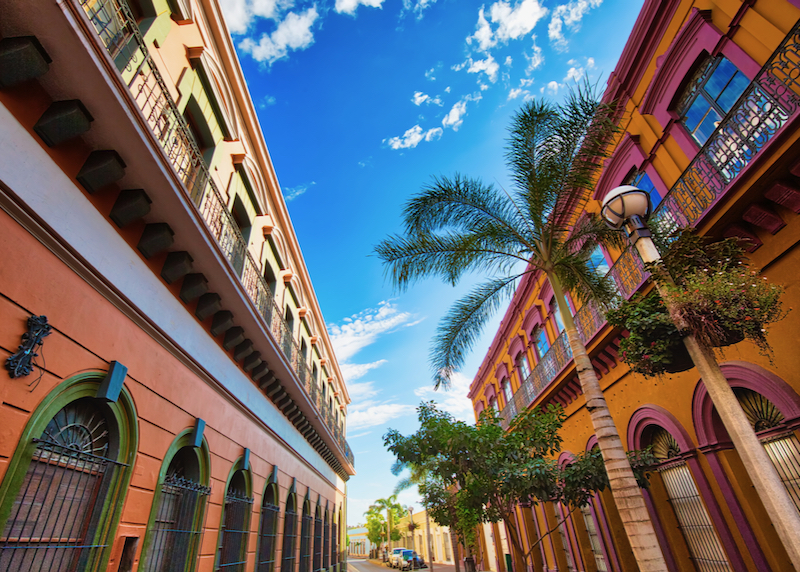
old historical buildings

Colorful old city streets in the historic city center.

Can I drive to Mazatlán?

We would urge caution in driving to Mazatlán. Driving down from the US border is relatively straightforward – the main highways are in good condition all the way. However, beyond the tourist centers, the states of Sinaloa and Sonora have a reputation for drug violence that makes driving some areas a potentially dangerous proposition – driving at night should be absolutely avoided. The drive from Mazatlán to Nogales on the border with Arizona on Hwy-15 is around 1170 km (727 miles) and 14 hours non-stop. Foreign vehicles also require a Mexican “Temporary Importation of Vehicle Permit”, arranged at the border or before departing.

Do I need a car in Mazatlán?

Public transport is incredibly prolific and cheap in Mazatlán making a car unnecessary (see below).

The Old Town is best explored on foot, and it’s easy to reach all the main beaches by bus or taxi.

How do I get around Mazatlán without a vehicle?

There are so many options to getting around Mazatlán without a car! Public transport is fun and cheap in Mazatlán. First-time visitors should try the pulmonías (a bit like souped-up golf carts but usually modified VW Beetles, blaring Mexican music). Fares depend somewhat on negotiation skills – rides between the Zona Dorada and Old Town usually cost around 150 pesos. Larger red pick-up trucks known as aurigas tend to be cheaper than this, and ideal for big groups – they take 8–10 people at a time – but again, negotiate the rate in advance.

Regular taxis (usually red or green) do not have meters but operate on a (very) rough fixed-rate system, though always confirm the price before getting in. Most short trips in town range 40 to 50 pesos, with journeys between the Old Town and Zona Dorada around 70–80 pesos (and 20 percent more at night). Uber tends to be a bit cheaper (see above).

City buses are a convenient and cheap alternative: the bus identified as “Sabalo-Centro” runs back and forth from the Marina in the north all the way down the seafront through the Zona Dorada and into the Old Town. The bus is air-conditioned and costs just 11 pesos.

waterfront yacht club

Sailboats and yachts in a marina along the waterfront.

When is the best time to go to Mazatlán?

Mazatlán is at its best between November and May when it’s sunny and very dry. In the summer (July to September) it can be very humid and very hot – it can also rain a lot, though the water is at its warmest for swimming and snorkeling at this time. October and November is a great time to visit – the rainy season is over, but the busy winter season has yet to pick up, so hotels tend to be cheaper.

Where should I stay in Mazatlán?

Most tourists in Mazatlán stay in the Zona Dorada, the “Golden Zone” fronting the main beaches – this is where the big resort hotels are, as well as a range of budget options. Alternatively, the restored Old Town (or centro histórico) has a lot more character – staying here, in boutique hotels or Airbnb apartments, means a longer journey to the beach but access to a lot more of Mazatlán’s cultural offerings – live music, theater, museums, bars, restaurants, and local markets. Larger and more isolated resorts lie to the north along Playa Cerritos and Playa Brujas in what is known as “Nuevo Mazatlán”.

What are the best beaches in Mazatlán?

Our favorite beaches in Mazatlán include the small beach on the Isla de la Venados (Deer Island), 2 km off the coast – all the tour operators in the Zona Dorada offer boat trips – and the Isla de la Piedra (actually a long peninsula), which boasts a long, sandy beach ideal for swimming, with several no-frills Mexican beach bars and restaurants. To get there, take a bus or taxi to the “Embarcadero” at the southern end of the Old Town, then catch a motorboat across the channel.

The primary tourist beaches that line the Zona Dorada – known as Playa Gaviotas and Playa Sábalo further north – are perfectly fine, often busy but clean and convenient for hotels and amenities. Further north the beaches are wilder and emptier; aim for Playa Cerritos or Playa Bruja (both accessible by bus) for a quieter experience.

waterfront promenade at night

Waterfront promenade just after sunset.

Where to change money in Mazatlán?

The Mexican peso is the official currency in Mazatlán (often prefixed with a “$” sign), and though some hotels, restaurants, and vendors may accept US or Canadian dollars, most local businesses only deal in pesos. Try to use ATMs to withdraw peso cash in Mazatlán if possible (check with the bank before leaving to confirm it’s possible to use a debit card and how much they will charge – using credit cards can incur interest and foreign transaction fees). Credit cards are widely accepted, but cash is needed for buses, most taxis, and small purchases.

What are the best things to do in Mazatlán?

The best things to do in Mazatlán are connected with the beaches; swimming, surfing, sunbathing, and various watersports. Other pleasures include dining, drinking, and shopping, particularly in the resurgent Old Town. It’s worth strolling the historic streets around the Plaza Machado, taking in the 19th-century Teatro Ángela Peralta, the small but absorbing Museo Arqueológico (archeological museum), and Museo de Arte (art museum), with its displays of modern Mexican paintings and sculpture. The colorful stalls of the grand old city market, Mercado Pino Suárez, are also worth perusing.

Other highlights include viewing the world’s largest mosaic mural at the Mazatlán International Center; hiking up to the lighthouse (“El Faro de Crestón”) at the far southern edge of the city; enjoying a cocktail at historic Bar Belmar, overlooking Playa Olas Altas; and watching the cliff divers at “the Mirador”, on the seafront. For a bit more excitement tackle the multiple ziplines at Huana Coa Canopy Adventure, just outside the city (tours that include transport are sold all over town and in hotels). Mazatlán is also a great place to learn to surf – contact Jah Surf School.

What are the restaurants in Mazatlán like?

The restaurants in Mazatlán are pretty good, a mix of classic Mexican and international. In the Old Town, Casa Etnika sells handicrafts as well as Oaxacan coffee and snacks, while Topolo and El Aljibe de San Pedro are our go-to’s for high-quality Mexican cuisine. Asian-fusion specialist Water’s Edge Bistro is our overall favorite restaurant for a big night out. In the Zona Dorada we recommend Casa Loma for a romantic dinner, and Twisted Mama’s for international dishes, cocktails and nightlife.

Is Mazatlán expensive?

Everything is relative of course, but Mazatlán is one of Mexico’s more affordable resorts. Hotels tend to be reasonably priced, public transport is very cheap, and meals and activities won’t cost much – almost everything is priced in pesos, not US dollars.

Is Mazatlán safe?

Yes. Despite the state of Sinaloa being one of Mexico’s drug cartel hotspots, Mazatlán itself is safe for tourists to visit. The Zona Dorada, Old Town, and Malecón (seafront) are well-policed, even at night. We would advise not to travel outside the city alone (organized tours are OK), and to take the usual precautions.

Read More

Cabo Travel Guide

Mexico › Los Cabos
Updated: April 5, 2026

See Also

Los Cabos – or just “Cabo” – is a popular Mexican resort area at the tip of Baja California, and one of our favorite places to go in Mexico for sea and sun. With a coastline that takes in the Pacific Ocean and Sea of Cortez, Cabo is best known for its fine beaches, luxury hotels, beautiful desert scenery, surfing, and vibrant beach, dining, and nightclub scene.

cabo aerial view

Aerial view of Medano Beach in Cabo San Lucas.

Frequently Asked Questions about Los Cabos

Where is Los Cabos?

Los Cabos is a municipality at the southern tip of the Mexican state of Baja California Sur. Bordering the Pacific Ocean to the west, and Sea of Cortez (or Gulf of California) to the east, it comprises the two resort towns of Cabo San Lucas and San José del Cabo, separated by the 32 km “Corridor” of resorts and posh condos.

Cabo San Lucas lies about 160 km south of La Paz, and 1625 km south of Tijuana and the US border. Non-stop flights to Los Cabos International Airport take just over 3 hours from San Francisco, 2 hours 35 minutes from Houston, 2 hours 15 minutes from Los Angeles, just over 2 hours from Mexico City and Tijuana, and 1.5 hours from Guadalajara.

How big is Los Cabos?

The population of Los Cabos has grown significantly and is now estimated at over 350,000 for the entire municipality. Cabo San Lucas has a population of around 106,000, while San José del Cabo has around 105,000 inhabitants.

What is the history of Los Cabos?

Originally the home of the indigenous Pericú people, the first official Spanish attempt to colonize Los Cabos began in 1730. In that year San José del Cabo was founded as a Catholic mission by Jesuits, on the site of a Pericú village – it was destroyed in the Pericú Revolt four years later, and over the next hundred years, the location of the mission and settlement was re-located several times. Meantime, diseases virtually wiped out the Pericú.

In the 19th century, San José developed into a small port and agricultural center, while Cabo San Lucas remained a tiny village frequented by pirates and smugglers. In the 1940s writer John Steinbeck sailed along the Baja coast, recording his journey in The Log from the Sea of Cortez – he called Cabo San Lucas a “sad little town”. There was a tuna cannery here and little else, and the road connecting the two settlements wasn’t finished until 1970. In the 1980s everything changed when the Mexican government began developing the region as a major international resort and cruise destination – today millions of North Americans vacation here annually.

How do I get to Los Cabos?

Los Cabos International Airport (SJD) is connected to the US and Canada by numerous non-stop flights; flights take anywhere from 2 hours 15 minutes to 8 hours, depending on the destination. Most domestic flights link Cabo with Mexico City, Guadalajara, and Tijuana.

Because of its relatively remote location, getting here overland can be very time-consuming. First-class long-distance buses run down the Baja peninsula from Tijuana (at least 28 hours to Cabo San Lucas) via La Paz (2 hours 30 minutes to 3 hours).

Santa Maria beach Cabo

Beautiful Santa Maria Beach is a sheltered beach with calm swimming and snorkeling areas.

What are the options for Cabo airport transportation?

Los Cabos International Airport lies 11km north of downtown San José del Cabo and about 45km from Cabo San Lucas. All the major car rental companies have desks here; otherwise, reserve a taxi or shared minibus in advance with Transportistas Josefinos, Cabo Transfers, or Los Cabos Airport Shuttle. Shared shuttles cost roughly $15 to $40 per person, while private SUVs to Cabo San Lucas are usually around $100. Airport taxis are available on arrival but are much more expensive than pre-booked options.

Can I use Uber in Los Cabos?

Uber is widely used and legal in Los Cabos for getting around town or going to the airport, but pickups at the airport (SJD) remain restricted. While you can easily take an Uber from your hotel to the airport, the National Guard often prevents Uber drivers from picking up arriving passengers at the terminal because it is a federal zone. If you want to use Uber from the airport, you typically have to walk a considerable distance off airport property to meet the driver. For arrivals, I highly recommend pre-booking a private shuttle instead to avoid the hassle.

Can I drive to Los Cabos?

It’s possible to drive to Los Cabos. Driving down from the US border is relatively straightforward, and plenty of Americans and Canadians take their own vehicles – the main highway (Hwy 1) is generally in good condition and fairly safe, though driving at night should be strictly avoided due to wandering livestock and narrow shoulders. There are several Mexican army checkpoints along the way, but tourists are usually waved through quickly.

It’s important to fill up whenever you see a gas station (especially in the central desert) and plan accordingly. The drive is over 1,625 km (1,010 miles) and takes around 24 hours of actual driving time – most people break the journey into three or four days. Foreign vehicles do not need a Mexican “Temporary Importation of Vehicle Permit” as long as they stay within the Baja peninsula.

If renting a vehicle, it’s much easier to do this in Mexico, as taking US rental vehicles across the border is difficult and requires very specific insurance.

Do I need to rent a car in Los Cabos?

It is not necessary to rent a car in Los Cabos if you plan on staying mostly at your resort or in the main towns. However, if you want to explore the “East Cape,” visit remote surf breaks, or take a day trip to Todos Santos on your own schedule, a car is very helpful. Car rental is straightforward at the airport, and the highway between the two towns is easy to navigate, though traffic in Cabo San Lucas can be heavy.

lands end lovers beach

The gorgeous “Land’s End” Beach at the southern tip of Baja is a favorite spot for visitors.

How do I get around Los Cabos without a vehicle?

Taxis, Uber, or local buses are the easiest ways to get around. The “Ruta del Desierto” (purple and yellow buses) runs along the Corridor between Cabo and San José every 10 to 15 minutes for a few dollars. Taxis are always available but are quite expensive; a trip between the two towns can cost $60 or more. Uber is a much cheaper alternative for trips between towns or within the marina area, though they may not be allowed to enter some resort gates for pickups.

When is the best time to go to Los Cabos?

The best weather is from November through May. Whale-watching season typically peaks in January and February. July through September can be extremely hot and humid, and this is also the primary hurricane season. Skip Christmas, Easter (Semana Santa), and the peak of Spring Break (March) to avoid the largest crowds and highest prices.

Where should I stay in Los Cabos?

The coast of Los Cabos is divided into three main sections:

Cabo San Lucas is the heart of the action. It is home to the main marina, luxury malls, and the famous nightlife. This is where you stay if you want to be within walking distance of bars and the swimmable Medano Beach.

San José del Cabo is the more traditional, colonial-style town. It is known for its Art District, historic church, and a more sophisticated dining scene. The “Zona Hotelera” here has many large beachfront resorts, though the ocean is often too rough for swimming.

The Corridor is the 32km stretch of highway connecting the two. This is where you find the most exclusive luxury resorts, like Las Ventanas al Paraíso and One&Only Palmilla. It’s quiet and secluded, but you’ll need transportation to get to either town for dining or shopping.

lovers beach sand

Lover’s Beach at Land’s End.

What are the best beaches in Los Cabos?

Many beaches in Cabo are not safe for swimming due to strong undertows and steep drop-offs, especially on the Pacific side. My favorites for swimming and snorkeling include:

Playa el Chileno: 15km from Cabo San Lucas, very clean with great facilities and calm water.
Bahía Santa María: A beautiful protected cove perfect for snorkeling with tropical fish.
Playa El Médano: The main swimmable beach in Cabo San Lucas, lined with beach clubs and very lively.
Playa del Amor (Lover’s Beach): Located at Land’s End near the famous Arch, accessible only by water taxi.
Playa Acapulquito: A great spot for beginner surfers near San José del Cabo.

Where to change money in Los Cabos?

The Mexican peso is the official currency, and I recommend using it for the best value. While US dollars are widely accepted, the exchange rate offered by shops and taxis is usually poor. Use bank ATMs (Santander, Banorte, BBVA) to withdraw pesos for the best rate. Credit cards are accepted at almost all hotels and major restaurants, but you will need cash for the bus, small taco stands, and tips.

humpback whale tail

See humpback whales and other amazing marine mammals up close on a whale watching tour.

What are the best things to do in Los Cabos?

The ocean is the main attraction. Taking a boat trip to “El Arco” (The Arch) is a must-do. From December to April, whale watching tours are spectacular. For adventure, Cabo Adventures offers zip-lining and camel rides, while Cabo Sky Tours provides incredible aerial views via ultralight.

In San José del Cabo, the Art Walk takes place every Thursday evening from 5:00 PM to 9:00 PM between November and June. It’s a great time to explore the galleries and enjoy the town’s atmosphere. For a day trip, the “Pueblo Mágico” of Todos Santos is about an hour away and offers a cool, artsy vibe and great surfing.

What are the restaurants like in Los Cabos?

The dining scene is world-class, ranging from humble taco stands to high-end farm-to-table spots.

In Cabo San Lucas, we love Bar Esquina for its great vibe and fusion menu, and Taquería El Paisa for authentic, cheap tacos. For a splurge, El Farallon at the Waldorf Astoria offers cliffside dining that is hard to beat.

In San José del Cabo, Mi Cocina in the Casa Natalia hotel is excellent. For a unique experience, head just outside town to “Flora Farms” or “Acre” for farm-to-table dining in a lush garden setting.

Is Los Cabos expensive?

Yes, it is one of the most expensive destinations in Mexico. However, you can save money by using Uber or the local bus instead of taxis, eating at local taquerías away from the marina, and booking accommodation in downtown San José or Cabo San Lucas rather than the luxury beachfront resorts in the Corridor.

Is Los Cabos safe?

Yes, Los Cabos remains one of the safer tourist regions in Mexico. The U.S. Department of State typically classifies Baja California Sur as Level 2 (Exercise Increased Caution), which is the same rating given to many European countries. Most crime is non-violent and related to petty theft. Use common sense: don’t leave bags unattended on the beach, stick to well-lit areas at night, and use the hotel safe for your passport and extra cash.